When the 2026–27 season actually begins
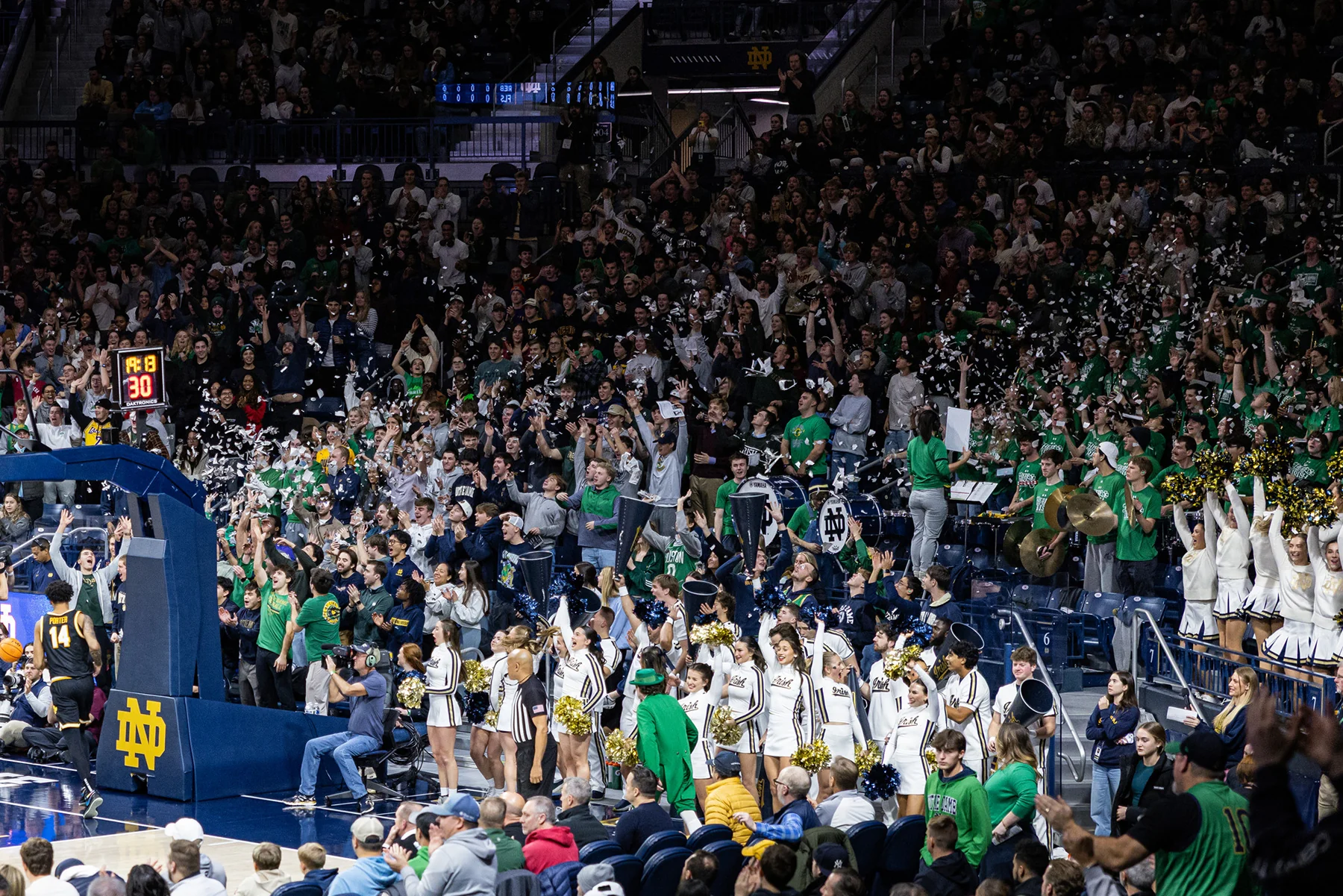
The first scheduled Division I men's and women's regular-season games of 2026–27 are on Sunday, November 1, 2026. Notre Dame and Villanova meet in Rome in a two-game event: the men's game tips at 9:30 a.m. Eastern on FOX, and the women's game follows at noon Eastern on FS1. Most teams begin on or after Monday, November 2, the NCAA's standard first-contest date for both sports. Those two statements can look contradictory in a search result, but they describe different things: a specially arranged opening doubleheader and the nationwide eligibility date for the regular season. As of September 29, fans should use November 1 for the earliest confirmed games and November 2 for the broader launch of the college schedule.
The November 1 Rome doubleheader
The men's Notre Dame–Villanova game is scheduled at Rome's Palazzo dello Sport. Villanova announced both games together, and its women's nonconference schedule independently lists Notre Dame in Rome as the Wildcats' first regular-season opponent. The men's early start means an American fan can watch college basketball over breakfast, while the women's game follows in the late morning or at midday depending on U.S. time zone. It is a neutral-site trip for the participating programs, not a home opener for either school. That distinction matters when comparing the matchup with a normal campus opener: travel, venue routines and crowd composition may differ, and a single result will offer only an early glimpse of how each rotation works. The schedule tells us when and where they play; it does not yet tell us how either team will handle those conditions.
Villanova also lists a women's exhibition against Fairleigh Dickinson on October 18. A fan scanning a school calendar could reasonably notice that earlier date, but the school labels it an exhibition and calls the November 1 Notre Dame game its season opener. The same distinction applies across Division I: exhibitions and closed scrimmages can happen before a team's first counted regular-season game. Do not use the first basketball event on a calendar as an automatic answer to when that team's official season begins.
The broader November 2 opening slate
The NCAA's revised first-contest policy puts the general 2026–27 date on Monday, November 2 for both men and women. Its season-start report highlights a men's Field of 68 tipoff event running across that day, including High Point–Liberty at midnight Eastern and Furman–Bethune-Cookman at 8 p.m. Eastern. Those windows show why “opening day” is more than one television slot: there can be games from the first hours of Monday through prime time, with different teams, locations and broadcasters. The site’s men's schedule and women's schedule are the practical way to check the latest matchup, local start time and any confirmed TV listing for your team. Treat the date in this guide as the calendar answer and the game board as the live answer.
Why practice and exhibitions have different start dates
Search for a team's “season start” and you may find a September practice date, an October fan event, an exhibition game, and a November opener. They are not interchangeable. The NCAA uses the first regular-season contest as the anchor for its preseason practice calculation. Its Division I rules generally allow on-court preseason practice no earlier than 42 days before that team's first regular-season game and limit countable activities in that period. A practice date therefore tells you when a staff may begin preparing together under those rules; it is not the date on which a win or loss enters the team's regular-season story. Because the formula runs backward from each institution's first game, it is also unwise to publish one universal “first practice day” for every program.
First permissible practice and non-counting games
Villanova offers a clean real-world example of the three layers. Its October 4 Nova Nation Tip-Off is a public team introduction with fan activities, not an opponent on the schedule. The men's team then has three matchups labeled exhibitions: at Rutgers on October 11, George Mason on October 17 and Virginia on October 22. The women's schedule labels an October 18 game against FDU an exhibition. Both programs' first listed regular-season opponent is Notre Dame in Rome on November 1. That calendar lets a fan see basketball before the official opener without moving the answer to the regular-season start question back into October.
Exhibitions can still be useful viewing. A coach may try a second ball-handler, test a big lineup, or give a new defender extra minutes against live opposition. Watch the decisions and combinations as carefully as the score. A crowded rotation in October might narrow by the first counted game; a poor shooting night in a preseason setting is not proof of a season-long weakness. The NCAA permits specified preseason scrimmages and exhibitions before the regular-season first-contest date, but those events are part of preparation rather than the league schedule that determines conference position. If a school labels an event (Exh.), preserve that label when sharing it. The date matters for fans who want an early look; the November regular-season date matters for comparing official schedules and results.
This distinction also protects a straightforward answer to “when does women's college basketball start?” Women have their own practice and exhibition calendars, even when a men's program at the same school shares the official opening event. Check the women's schedule itself. Villanova's current page identifies the FDU exhibition and the Notre Dame opener separately; it is a better guide than an older announcement of an exhibition date that changed before the season.
Opening-week games worth checking before tipoff
Opening week is not one national doubleheader repeated on every screen. The November 1 Rome games introduce the season, but November 2 brings a much larger mix of campus openers, neutral-site showcases and games that do not yet have a published broadcast assignment. A useful opening-week plan starts with a few confirmed matchups, then checks the live slate close to game day. The examples below are selected games, not a complete Division I listing or a claim that their tip times are final.
Men's early events and matchups
UCLA is scheduled to face Arizona at T-Mobile Arena in Las Vegas on Monday, November 2. The same Hall of Fame Series program includes Gonzaga versus Purdue before the Bruins–Wildcats matchup. Those are neutral-site games, so “home” and “away” labels will not tell the whole story of the building or travel burden. UCLA's schedule release confirms the opponents and site, while an earlier event announcement said the doubleheader would air across TNT Sports networks and platforms; that is less specific than an individual game channel. A fan choosing a TV package should wait for the exact assignment rather than assume that both games will appear on the same linear channel. The first week also includes a wide range of less prominent games. That breadth is part of the appeal: a game between teams outside the preseason headline tier can reveal a new lead guard, a reshaped frontcourt or a surprise rotation before a poll catches up.
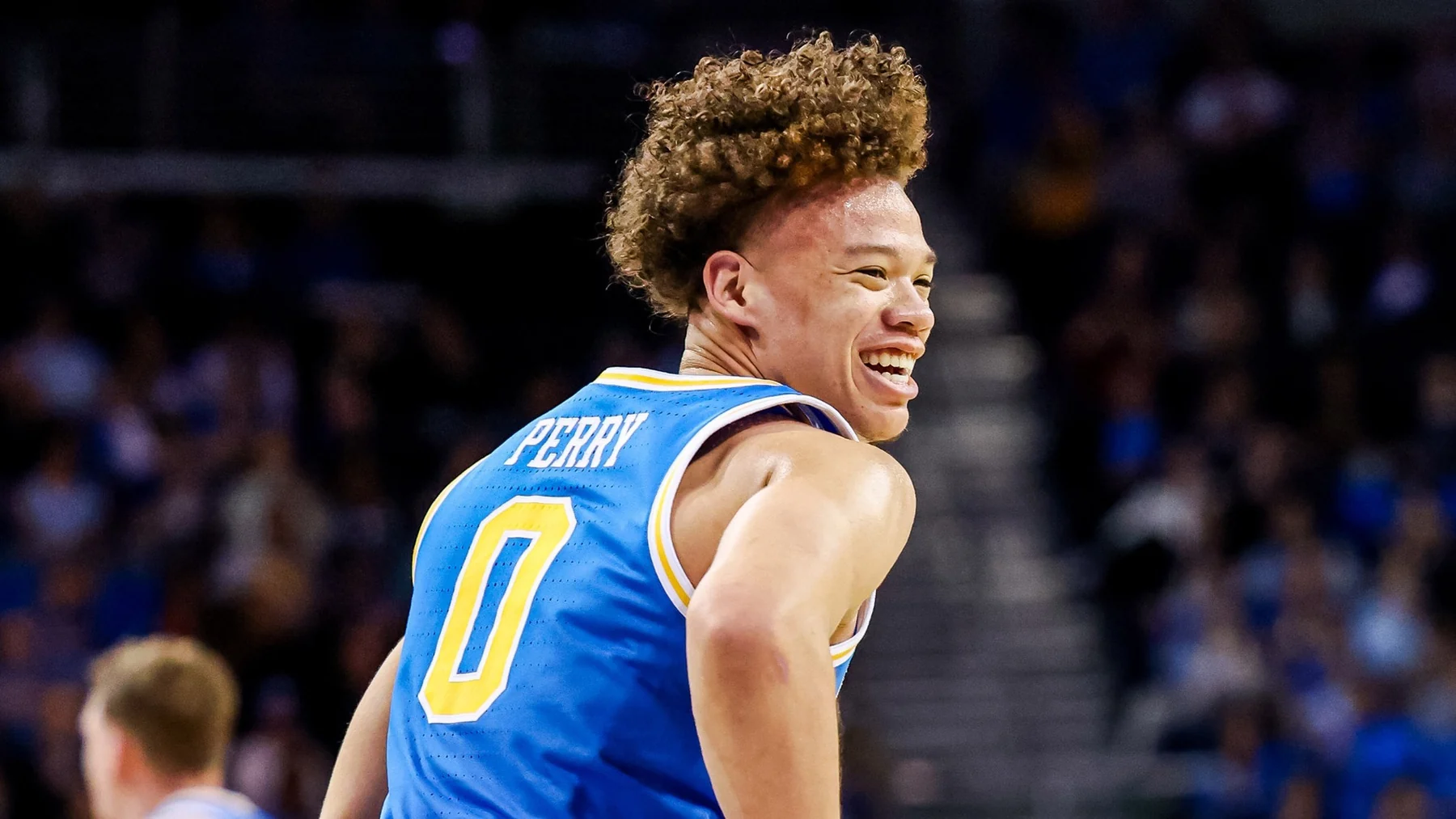
The competitive read should stay modest. Arizona–UCLA and Gonzaga–Purdue are meaningful early tests because each pairs established Division I programs on a neutral floor. They cannot, by themselves, settle conference races or March seeding. Watch how a team creates shots when its first option is denied, whether its guards protect the ball against pressure, and which lineups close each half. Those are more useful opening-night questions than treating a single score as a final ranking.
Women's early events and matchups
UConn's published schedule begins with Cornell at a Hartford home site on November 2, then moves to a road game at Michigan on November 5 and a home date with Iowa on November 8. That quick shift from home to road is a concrete reason to follow the entire first week: a rotation that looks comfortable in its opener may face different communication and rebounding demands away from home. UCLA's women's schedule lists Lehigh at Pauley Pavilion on November 2 and UC Irvine on November 5. It also separately labels October games against Cal and Texas as exhibitions, so those earlier appearances do not displace the November opener. As of UConn's September schedule release, game times and television details were still to be announced; UCLA's page also showed the Lehigh tip time as TBA. For the current daily lineup, use the site's today schedule and TV board, then verify a particular school's official update if a detail is missing.
How the schedule moves from November to March
The first week answers when the season begins. It cannot answer when every team's most consequential games arrive. A Division I schedule changes character as teams move from November nonconference tests to league play, conference tournaments and finally the NCAA bracket. There is no single national date on which “conference basketball” begins. The useful calendar is the one tied to your team's league and to the men's or women's tournament you follow.
Nonconference games and conference play
Early games give coaches a chance to establish lineups while building a record against opponents from other leagues. A neutral-site meeting can test how a team handles unfamiliar travel and a different crowd; a campus game may tell more about its settled routine. The Big Ten men's schedule offers a concrete transition: its first conference games are set for December 1, followed by more league games before a holiday pause and a return on December 30. Each Big Ten men's member is scheduled for 20 conference games. That means a fan who only checks the first two weeks would miss the repeated adjustments against league opponents, the home-and-road difference and the standings implications of a January rematch.
The women's timeline need not match that men's example. UConn's published women's slate includes a Big East game against Seton Hall on November 20, after early nonconference dates against Cornell, Michigan, Iowa and Ohio State. Its later nonconference opponents include South Carolina and Duke, so “league play has started” does not mean every remaining game is a conference game. That interleaving matters when judging a team's record. A strong result against a top nonconference opponent and a difficult road league win can each inform the March conversation, but they are not the same kind of test. Opponent quality, venue and timing should travel with the result when fans compare teams.

The 2027 NCAA tournament window
The men's and women's brackets are scheduled to be announced on Sunday, March 14, 2027. Both fields expand to 76 teams, making the opening round larger than in prior seasons. The men's opening-round games are scheduled for March 16–17, with the Final Four on April 3 and championship on April 5. The women's opening round runs March 17–18, with its Final Four on April 2 and championship on April 4. Those are distinct schedules; putting them into one generic “March Madness starts” date hides games that fans may care about.
Conference tournaments bridge the regular season and Selection Sunday. The Big Ten men's event is scheduled March 9–14; UConn's Big East women's tournament is March 5–8. A school can change its postseason position during that stretch, and a conference champion can earn an automatic NCAA berth. The regular-season opener is therefore the first chapter in a long evaluation, not a verdict on the bracket. Our 2027 March Madness schedule guide tracks the confirmed tournament dates and the new format in more detail.
Find your team's first game, local tip time, and TV listing
Knowing that Division I starts on November 1 does not yet tell you when your team plays. Some programs open on November 2, others later in the week, and an exhibition may appear before the first regular-season line on a school's calendar. The dependable sequence is to identify the team's first game labeled regular season, confirm the location and Eastern-time or local-time listing, and then check the broadcaster shortly before tipoff. A matchup can be fixed while the last two details remain open.
Team and date filters
Begin with the men's schedule or women's schedule, then choose your school and inspect the first dated opponent. Use the matchup's home, away or neutral-site label before planning travel: UCLA–Arizona on November 2 is in Las Vegas, not at either campus, while UConn women's November 2 game against Cornell is a home-designated contest in Hartford. If the first event you see is marked exhibition, keep moving to the regular-season entry. A fan who follows several teams can use the site's calendar options to keep dates together, but should still recheck a game page before leaving for an arena or setting a recording.
What TV TBA means before opening night
“TV TBA” is an information gap, not a verdict that a game will be untelevised or free to stream. UCLA's women's program announced its Lehigh opener as a daytime game while saying the exact start time and TV assignment would come later. The Big Ten likewise published men's conference dates while warning that tip times and TV designations were still pending. The reverse can happen too: Villanova announced precise FOX and FS1 assignments for the special November 1 Rome doubleheader months before the season. Different games receive details on different schedules. The TV board is useful once a provider has been published; for any missing or unusually early game, compare the school's current schedule and the event organizer's latest release. In particular, the Rome pairing should be checked against Villanova's official announcement even if a general game board does not yet show it.
Time zones deserve the same care as channels. The Rome men's announcement gives 9:30 a.m. Eastern and the women's gives noon Eastern; those labels are part of the fact. A viewer in the Pacific time zone would see them much earlier locally, while a person attending in Italy needs the local venue schedule. Do not copy an Eastern tip time into a calendar without its zone. The site's schedule toolbar can show your local zone, and the official event page remains the tie-breaker if a listing differs.
What can still change before the first tip
The broad answer is settled: the special Notre Dame–Villanova men's and women's games are scheduled for November 1, and the normal Division I first-contest date is November 2. The small details that make a viewing plan work can still move. Before you buy travel, set a recording or share a game card, check four fields together: date, local tip time, venue and confirmed broadcaster. A school can announce the opponent and arena long before it announces the exact television window.
There is a current-season example of why that check matters. Villanova moved a men's nonconference game against FDU from December 9 to December 29 after its Big East slate was set, and the same September update supplied times for three October exhibitions. Neither change says that the Rome opener will move. It shows that a first schedule release is not always the final version of every line. UCLA's women's opener against Lehigh provides the other common pattern: date and opponent were public while precise start time and television assignment were still to come. Treat a TBA as a reason to return, not as a missing game or an implied broadcast choice.
Read the most current school schedule if two official notices conflict. Villanova's older women's announcement identified an October FDU exhibition date that its current schedule later changed; the current page labels the October 18 contest as an exhibition and retains Notre Dame on November 1 as the regular-season opener. This is a useful reminder to preserve the event type along with the date. A preseason outing can be exciting, but it does not advance a team one game into its regular-season record.
For the final check, open the relevant team's official schedule, then the site's today game board and the broadcaster or event announcement if a channel is at issue. Recheck shortly before tipoff if you are attending in person or relying on a stream. Once games begin, use the season schedule to follow what the opening night could only hint at: how rotations settle, how teams adjust after their first road trip, and which nonconference tests matter when the March bracket takes shape.
Sign in with Google to join the discussion.