2027 March Madness dates at a glance
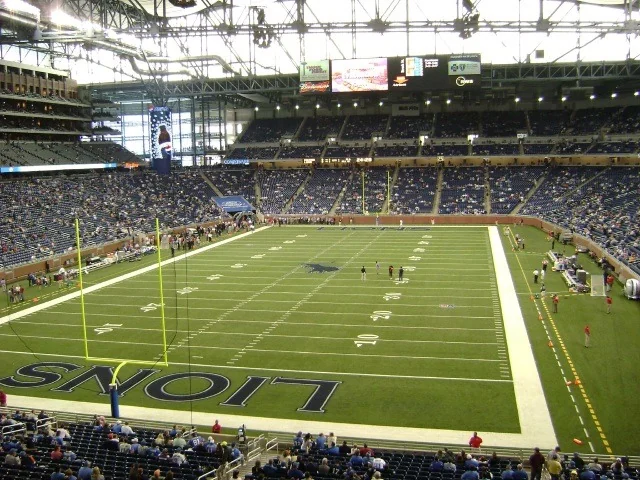
Selection Sunday is March 14, 2027 for both Division I tournaments. The men's championship begins two days later and ends Monday, April 5, at Ford Field in Detroit. The women's championship begins Wednesday, March 17, and ends Sunday, April 4, at Nationwide Arena in Columbus. Those dates are confirmed; teams, seeds, tip times and most television assignments are not.
2027 men's tournament
- Selection Sunday
- March 14
- Opening Round
- March 16-17
- First / Second Rounds
- March 18-21
- Sweet 16 / Elite Eight
- March 25-28
- Final Four
- April 3
- Championship
- April 5
2027 women's tournament
- Selection Sunday
- March 14
- Opening Round
- March 17-18
- First / Second Rounds
- March 19-22
- Sweet 16 / Elite Eight
- March 26-29
- Final Four
- April 2
- Championship
- April 4
The distinction matters during the busiest week. The men's Opening Round runs Tuesday and Wednesday at neutral sites, while the women's Opening Round runs Wednesday and Thursday on selected campus courts. The men's 64-team First Round starts Thursday; the women's begins Friday. A fan planning viewing blocks, travel or a bracket deadline should therefore keep two calendars rather than treating “March Madness schedule” as one set of dates.
The expanded field adds games before the familiar opening weekend, not after it. Once 64 teams remain, each championship proceeds through 32 First Round games, 16 Second Round games, four regional sites or pods, and its Final Four weekend. For games before the bracket reveal, use the current men's college basketball schedule or women's college basketball schedule; the tables here are postseason planning dates, not live matchup listings.
How the new 76-team Opening Round works
The 2027 bracket does not ask all 76 teams to play in one oversized First Round. Instead, 24 teams play 12 Opening Round games. The 12 winners advance into a conventional 64-team bracket, where the Thursday-through-Monday rhythm remains recognizable. Fifty-two teams selected on March 14 bypass the Opening Round.
76
Teams selected
Eight more than the 68-team fields used in 2026.
24
Opening Round teams
Twelve automatic qualifiers and 12 at-large selections.
64
Teams after the round
The familiar bracket begins after 12 eliminations.
Half of the games are reserved for automatic qualifiers: the 12 lowest-seeded conference champions are paired against one another. The other six games match the 12 lowest-seeded at-large teams. That separation is important. An automatic qualifier is not placed directly against a bubble team merely because both are near the bottom of the committee's overall list.
For the men, the committee described the automatic-qualifier matchups as overall seeds 69 versus 70, 71 versus 72, 73 versus 74 and 75 versus 76 on the No. 16 line, plus 65 versus 66 and 67 versus 68 on the No. 15 line, provided all bracketing principles can be met. At-large teams are likewise paired from the bottom upward: last selected versus second-to-last, then third-to-last versus fourth-to-last, and so on.
Those numbers are a framework, not an iron law. Committees can adjust for conference conflicts, regular-season rematches and geography. On the men's side, moving teams along the same seed line can reduce the sprint from Selection Sunday to Dayton or Wichita and then to a First Round city. That travel problem is genuine basketball context: a team may prepare for one opponent, play Tuesday or Wednesday, recover, relocate and face a rested higher seed within roughly two days.
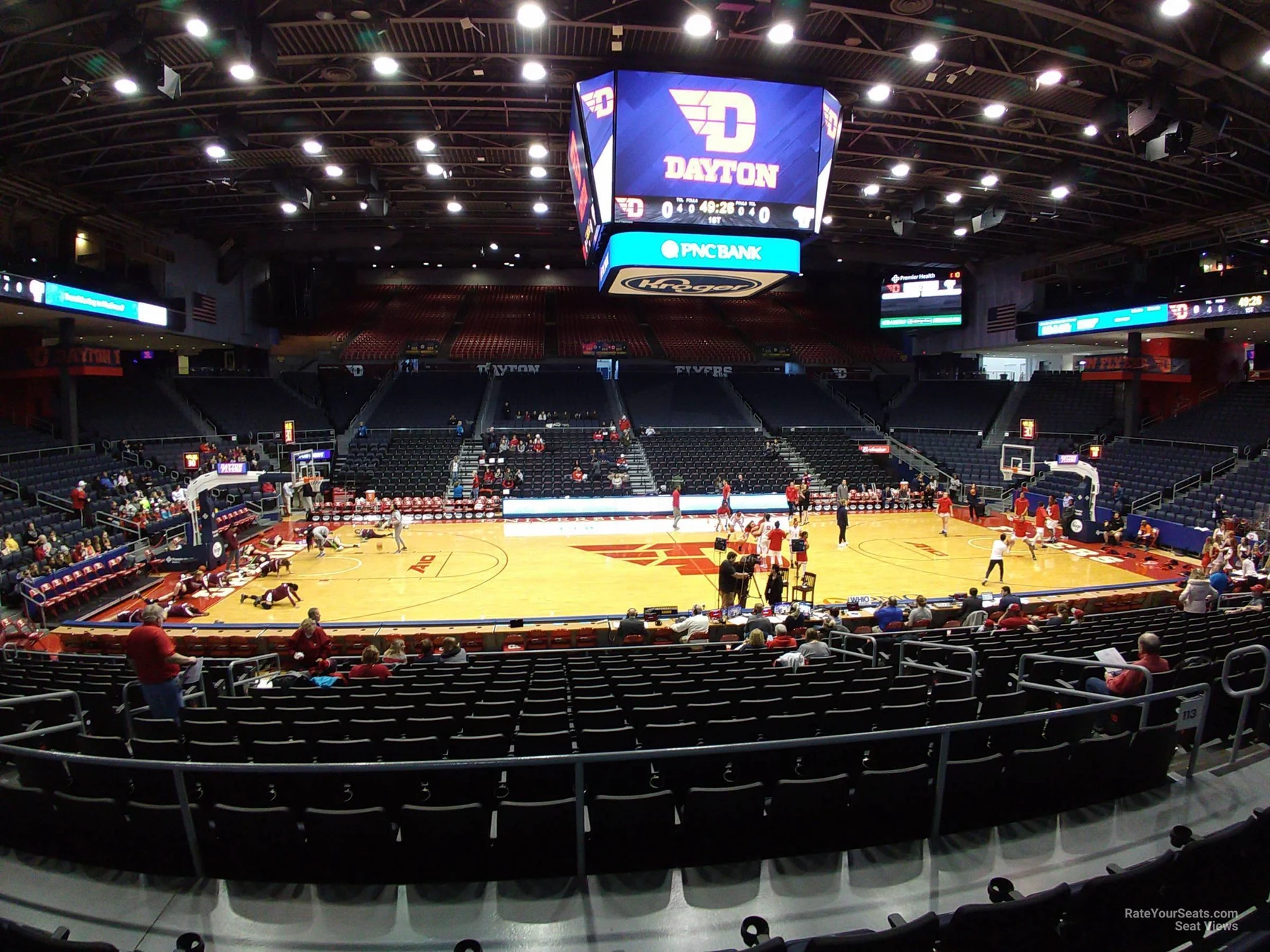
The men's and women's hosting models differ. Men split tripleheaders across Dayton and Wichita on Tuesday and Wednesday. Women play one Opening Round game at each of 12 campus sites on Wednesday and Thursday, attached to first-weekend hosts. In either tournament, a team that wins is already an NCAA tournament winner before joining the 64-team layout. Calling these exhibitions or pre-tournament games would misstate the format: all 75 games count within the championship.
Men's tournament sites: from Dayton and Wichita to Detroit
The men's tournament crosses 15 cities before its champion is crowned in Detroit. Expansion creates the first visible change: Dayton is no longer the only starting point. UD Arena and Wichita's INTRUST Bank Arena each host three games Tuesday and three Wednesday, placing six teams per day into the 64-team bracket.
| Stage | Dates | Confirmed cities |
|---|---|---|
| Opening Round | March 16-17 | Dayton; Wichita |
| First / Second Rounds | March 18 & 20 | Pittsburgh; Omaha; Fort Worth; Spokane |
| First / Second Rounds | March 19 & 21 | Charlotte; Minneapolis; Louisville; Sacramento |
| South / West Regionals | March 25 & 27 | San Antonio; Los Angeles |
| Midwest / East Regionals | March 26 & 28 | Kansas City; New York |
| Final Four / title game | April 3 & 5 | Detroit |
The first-weekend pairings create two recovery tracks. Teams assigned to Pittsburgh, Omaha, Fort Worth or Spokane play Thursday and, if they advance, Saturday. Charlotte, Minneapolis, Louisville and Sacramento operate Friday and Sunday. An Opening Round winner's assignment matters more than the map alone: a Wednesday night game followed by a Thursday First Round tip would be impractical, so the committee's same-seed-line travel flexibility helps build workable paths.
The Sweet 16 narrows to four major arenas. San Antonio's Frost Bank Center hosts the South, Crypto.com Arena in Los Angeles hosts the West, Kansas City's T-Mobile Center hosts the Midwest, and Madison Square Garden in New York hosts the East. Kansas City and New York have deep regional histories, but history does not confer a competitive advantage; the bracket determines which programs travel there.
Ford Field hosts the national semifinals Saturday, April 3, and the championship Monday, April 5. Fans should distinguish “Detroit Final Four” from the regional round: buying travel for Detroit guarantees access to the event city, not knowledge of the participants. The four surviving teams will have emerged from different regional schedules, then receive the same week to prepare for the stadium setting and its changed sight lines.
Women's tournament sites: campus games to Columbus
The women's route begins on campus, compresses into two regional cities and ends in Columbus. That shape differs fundamentally from the men's neutral-site opening week. Twelve Opening Round games are assigned across 12 campus sites on March 17-18, and the 64-team First Round follows March 19-20 at campus locations.
Campus hosting is earned and conditional
The top 16 seeds that submit acceptable bids generally host first- and second-round pods. If a top seed cannot host, the committee can select another qualifying bid. The 16 host identities therefore remain unknown until selection and hosting decisions are complete.
Each Opening Round game feeds a specific first-weekend pod. For a lower-seeded team, that can mean winning Wednesday or Thursday and returning quickly against a protected seed on its home floor. Familiar rims, routines and crowd energy favor the host, though they do not decide a single-elimination game. Preparation time is the sharper constraint: an advancing team has limited opportunity to install opponent-specific actions or recover from a high-possession qualifier.
The tournament leaves campus for two regional hubs. Xfinity Mobile Arena in Philadelphia and T-Mobile Arena in Las Vegas host the Sweet 16 on March 26-27 and Elite Eight on March 28-29. With four regional brackets sharing two cities, fans can see multiple elimination games in one destination, while teams move from campus conditions to full neutral-floor operations.
The Women's Final Four is Friday, April 2, at Nationwide Arena in Columbus, followed by the national championship Sunday, April 4. The Sunday finish preserves the women's established weekend pattern and avoids the men's Monday title-game date. Travelers can reserve around those city and event dates, but cannot yet know which semifinal session contains a particular program.
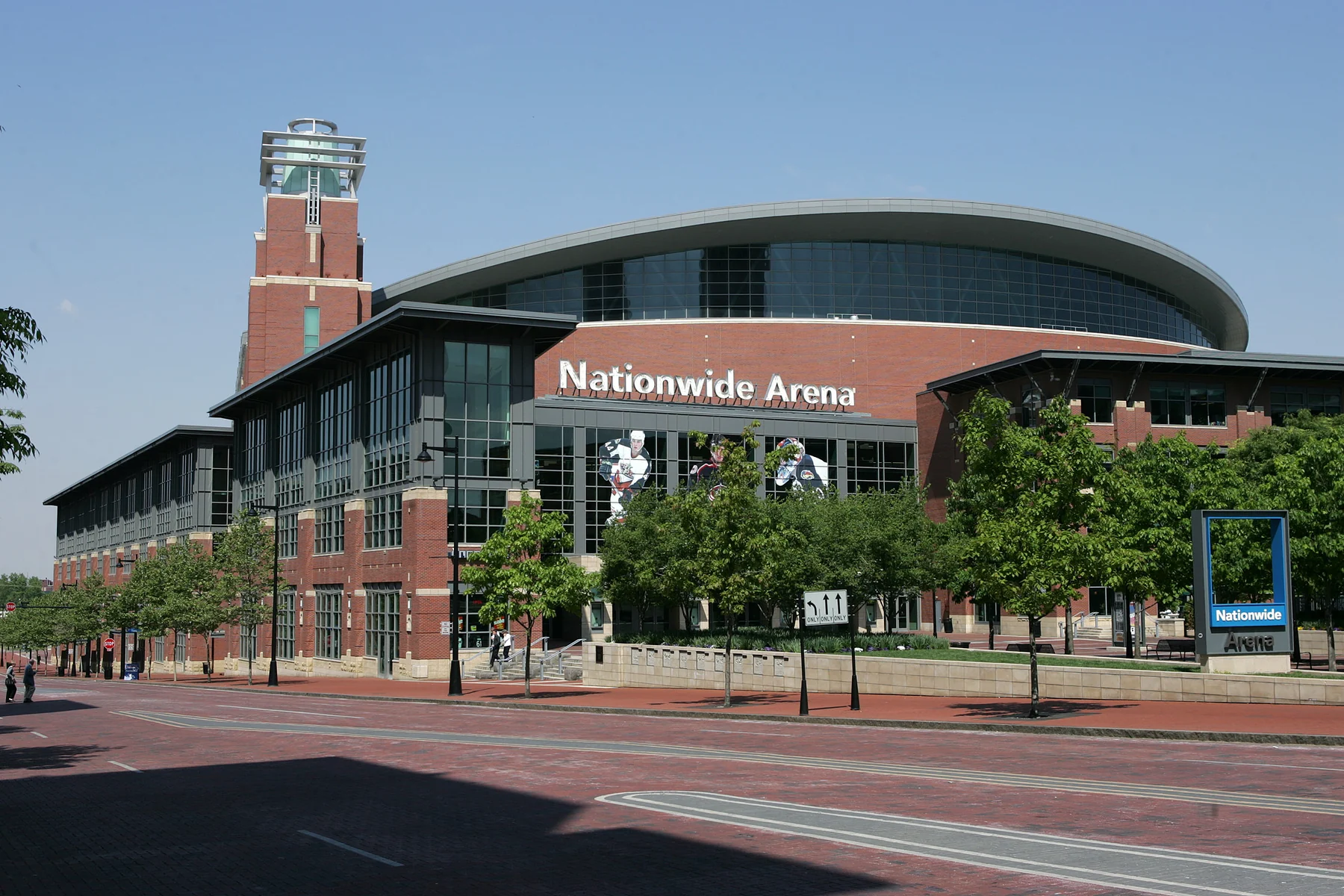
The best planning rule is stage-specific: wait for Selection Sunday before making campus assumptions, but treat Philadelphia, Las Vegas and Columbus as fixed. A No. 1 seed's first-weekend home path is not a promise of reaching a regional. Once play starts, every host advantage still has to survive rebounding, foul pressure, shot variance and the tournament's one-loss finality.
What expansion changes for bubble teams and bracket pools
Expansion moves the cut line, but it does not abolish the bubble. Eight more teams enter each tournament, lifting championship access from roughly 18% to 21% of Division I programs. The last selections still face comparison, scrutiny and disappointment; the argument simply reaches deeper into the résumé sheet.
On the men's side, the committee left NET and quadrant definitions unchanged but adjusted the Wins Above Bubble baseline from a team ranked 45th in NET to one ranked 55th. WAB estimates how many more or fewer wins a team has than a reference bubble team would be expected to earn against the same schedule. Moving that reference reflects a larger at-large pool. It does not turn WAB into the sole selection rule, and it does not guarantee a bid to the team sitting 55th in NET.
What improves
More teams receive championship access, and more mid-major regular-season résumés can remain in the conversation after a conference-tournament loss. Opening Round winners also earn a real tournament victory before entering the 64-team bracket.
What gets harder
The lowest qualifiers face immediate elimination, rapid travel and short scouting windows. Additional at-large bids can also intensify disagreement over mediocre power-conference records versus dominant seasons from smaller leagues.
That debate should not be settled by conference labels alone. Committees still compare schedule strength, location-adjusted results, quality wins, damaging losses and other team-sheet evidence. A larger field may include more power-conference teams because those leagues place many programs near the cut line, but no official rule reserves the new bids for them.
Bracket pools need a procedural decision. If picks lock before the Opening Round, an entry must either choose among paired teams or receive the eventual winner automatically. If pools open after Wednesday for men or Thursday for women, the 64-team grid looks familiar but players lose part of the event. Commissioners should publish the lock rule before Selection Sunday, especially because the men's and women's rounds finish on different nights.
From a basketball perspective, the main bracket remains legible. The Opening Round is a pressure chamber attached to it: 24 teams compete for 12 places, then the tournament looks like the 64-team structure fans have filled out for decades. The fairest evaluation of expansion will come after several seasons, when bid distribution, competitive margins and deep runs can be compared across both championships rather than inferred from one bracket.
What fans can book now and what remains TBA
Fans can plan around confirmed cities and dates now, but should not confuse an event window with a team schedule. Detroit on April 3 and 5 and Columbus on April 2 and 4 are fixed. Which programs reach those cities, which semifinal they play and exactly when doors open remain later questions.
Confirmed as of August 30, 2026
- Selection Sunday and every round date
- Men's neutral-site cities and venues
- Women's regional and Final Four venues
- The 76-team, 12-game Opening Round structure
- Men's and women's network families
Still TBA or bracket-dependent
- Teams, seeds and matchup paths
- Women's campus hosts
- Most game tip times and individual networks
- Session assignments for a specific team
- Some fan-event times, locations and ticket inventory
Every men's game is scheduled to air within the CBS Sports/Turner family across CBS, TBS, TNT and truTV, with digital access including March Madness Live. Every women's game will air on ESPN networks. That is a rights framework, not a finished TV schedule. Fans should revisit the college basketball TV guide after selections and use the college basketball calendar when game-level entries are available.
For travel, book by tolerance for uncertainty. An event-first fan can choose a regional or Final Four city and accept whichever teams advance. A team-first fan should wait for bracket placement, knowing that advancement is never guaranteed. Opening Round followers face the tightest turnaround because a winner may relocate immediately for its First Round pod.
Ticket buyers should read the official listing at checkout. A venue may sell separate sessions, all-session strips or hospitality products, and a semifinal ticket does not automatically imply championship admission. Secondary-market listings add another layer of transfer and refund rules. The safest description is the one printed on the ticket, not a reseller's headline.
Finally, check all times in the venue's local zone and again during tournament week. The national bracket may publish Eastern times while travel confirmations use local time. The dates in this guide are stable planning anchors; a matchup page close to tipoff is the correct source for the final clock, channel and opponent.
Sign in with Google to join the discussion.