What the September 28 Senate vote did and did not change
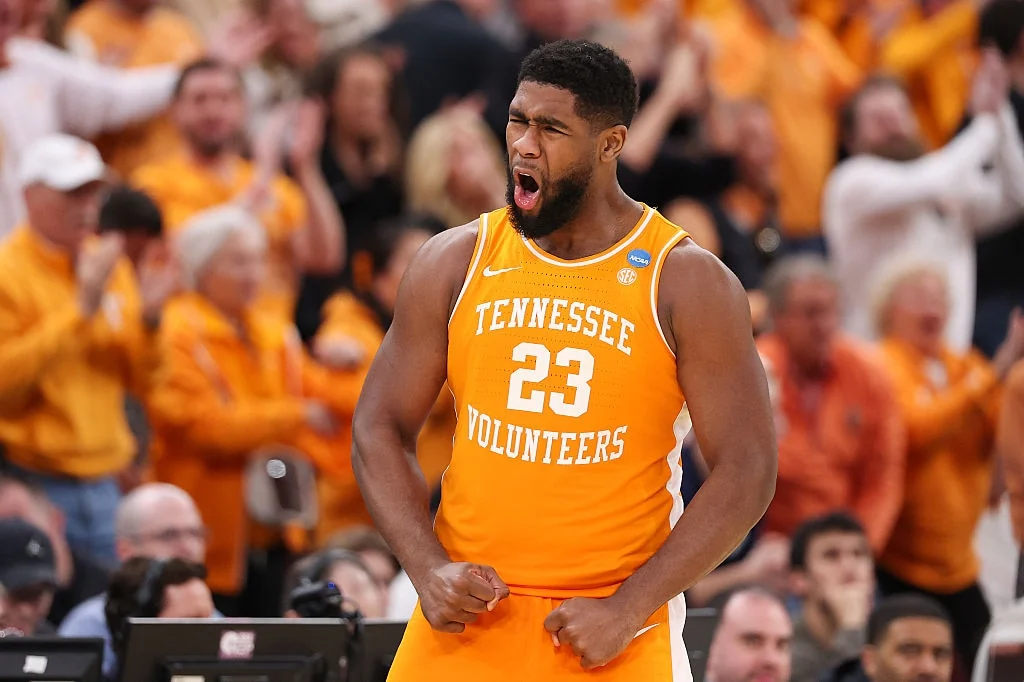
The U.S. Senate passed the Protect College Sports Act of 2026, S.4668, on September 28 by a 77–22 vote. That is a consequential step in a debate that touches men's and women's college basketball, but it is not a new eligibility ruling for the 2026–27 season. The Senate passed an amended bill. The House of Representatives must still act on legislation, and a final measure would have to become law before its federal provisions could take effect. As of the September 29 check for this article, a fan should read every proposed transfer, payment or broadcast change below as conditional, not as a rule already governing tonight's roster.
The sequence matters because the same 77–22 margin also appeared in an earlier Senate procedural vote. According to the Senate committee's vote history, September 17 was a motion to proceed; September 28 was final Senate passage. The floor log records several amendment votes on September 28 before passage. That means an older explainer built around an August fact sheet or the September 17 draft may not capture every detail of the amended bill. A headline that simply says “Senate passes college sports bill” is accurate, but a claim that the NCAA's current transfer rule changed that afternoon skips a necessary step.
For a basketball example, imagine a guard trying to settle his transfer eligibility before a November opener, or a women's coach checking whether a returning post player has another season available. Those decisions still require the operative NCAA, conference and school guidance plus any applicable individual ruling. The Senate roll call is important context for possible future rules; it does not grant or deny that guard or post player a place on a game roster. The same distinction applies to NIL contracts and school payment planning. A university might model how a federal framework would affect its budget, yet a planning spreadsheet is not evidence that a payment limit has changed.
The bill also reaches beyond basketball. Its backers describe national rules for athlete compensation and transfers, health and academic protections, and aspects of media rights. This guide narrows those broad proposals to questions a basketball fan can actually track: Who can move between teams, how might a roster be financed, what could matter for women's and smaller programs, and where might games be shown? In each case, the legally decisive question remains whether the Senate proposal survives the House and becomes an enacted law, and whether any implementation steps are required after that.
How the proposal would reshape transfer and eligibility decisions
The September 17 Senate substitute draft sketches a national framework for transfers and eligibility, two questions that directly determine who can appear in a basketball rotation. It is useful evidence of the proposal's direction, but the Senate passed an amended measure on September 28. Until the final amended text and any later House version are reconciled, the details below describe that dated draft rather than an existing NCAA rule or a guaranteed final statute.
One protected transfer, with specific exceptions
Section 112 of the draft would allow one move from a four-year school to another four-year school without losing or delaying playing eligibility. It would generally attach an academic-year loss of eligibility to a second such move, while carving out circumstances including a head coach's departure, a discontinued sport, graduate study, and sexual assault or harassment involving someone at the school. The language is more specific than a slogan such as “one transfer only.” A player could still change schools again, but the ability to play immediately would depend on the applicable exception and the facts of that player's case.
Consider a point guard recruited for a particular coach's system. If that coach leaves after the season, the draft's exception could be crucial to whether the guard can lead a new team's offense without sitting out an academic year. A women's forward whose school discontinues her sport has a different reason for moving, which the draft treats differently from an ordinary second transfer. Both scenarios require individual review; a box score, a social-media post or a transfer-portal listing cannot establish the final eligibility answer. For fans, the practical question is less “How many schools has she attended?” than “What are the dates and qualifying reasons for each move?”
A national eligibility baseline and professional status
Section 113 addresses Division I and Division II athletes. In the September 17 draft, an athlete must meet academic requirements and must not be a professional athlete. It proposes a maximum of five calendar years measured from the earlier of full-time college enrollment or the beginning of the academic year after the athlete's 19th birthday. Specified absences, such as pregnancy, religious mission and active-duty military service, are treated differently; the draft also contemplates uniform rules for some serious injuries or medical conditions. That is a calendar framework with exceptions, not a promise that every player receives five full basketball seasons.
One clause is unusually relevant to basketball's international and youth pathways: participation in basketball competitions before the earlier age or enrollment trigger would not by itself make an athlete a professional under the draft. That does not mean every former professional player qualifies for college competition. Compensation, timing, the nature of the competition and other rules still matter. A team deciding whether to recruit an overseas prospect needs a documented eligibility review, not a blanket statement that all youth-club experience counts as professional play. For more background on the separate ongoing eligibility debate, see our five-year eligibility guide; this Senate proposal should be tracked on its own legislative timeline.
How NIL and school payments could affect roster building
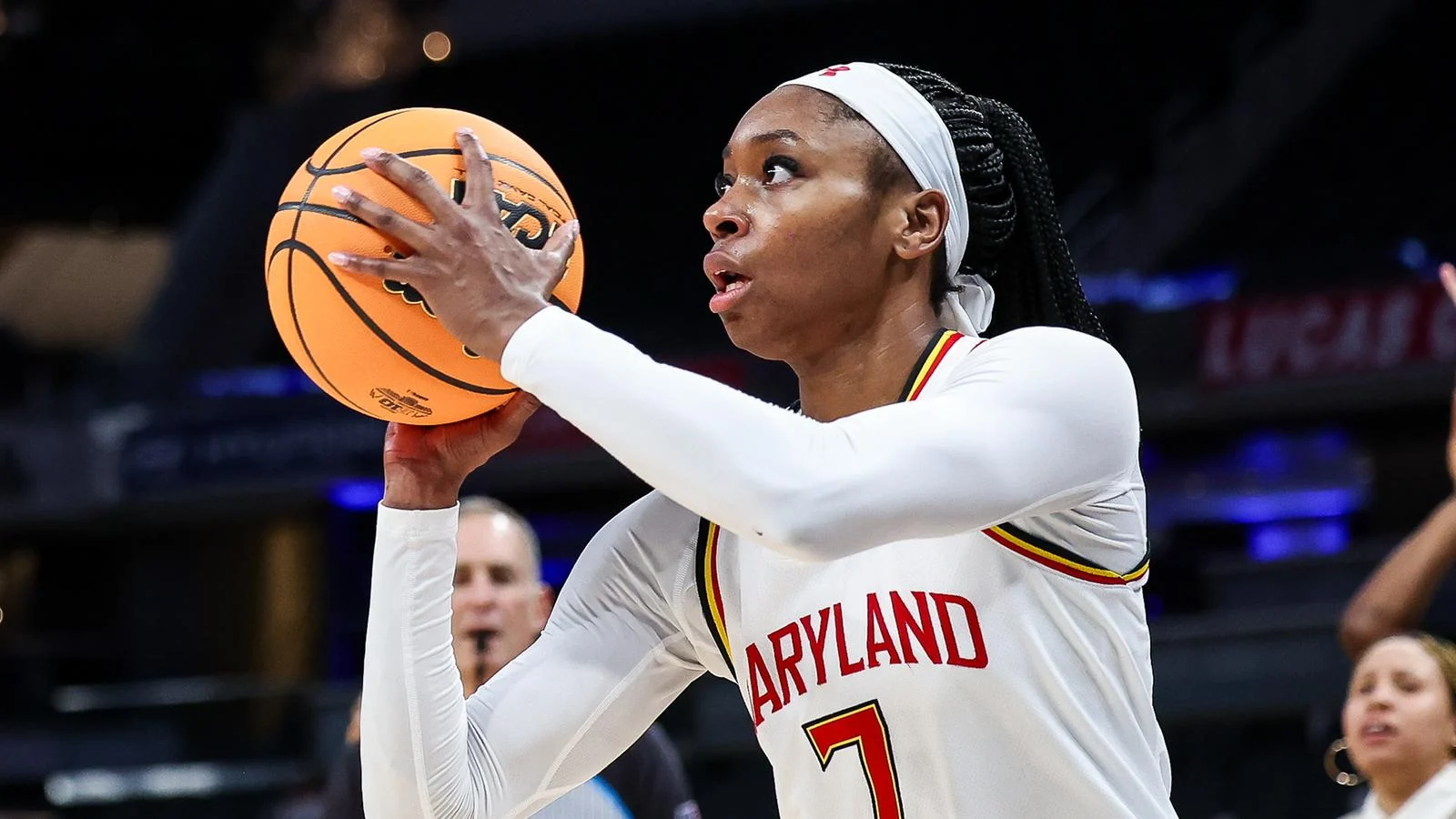
The bill does not propose a return to a world in which a basketball player must turn down every paid endorsement. The Senate committee describes its goal as protecting athletes' name, image and likeness rights while giving schools and athletic bodies clearer ways to police payments that function as recruiting inducements. That distinction matters to every staff trying to keep a roster together: a guard's legitimate advertisement, a school's permitted payment and a disguised promise tied to changing teams are different transactions. The September 17 draft spells out mechanisms, but it is not itself the final amended law.
Real endorsements versus recruiting inducements
In draft section 101, a college athlete could market NIL rights and sign an agreement without automatically losing eligibility or scholarship support. The draft also pairs that right with reporting duties for certain deals and limits on releasing private information. It is possible to support both ideas at once: a women's basketball player should be able to be paid for a genuine campaign promoting a local business, and administrators need enough information to identify an agreement that exists only to lure her to a different school. The contract's purpose, sponsor, timing and actual work matter more than a viral dollar figure.
The proposal's recruitment provisions would also let athletic bodies enforce rules against improper contact and tampering. That is especially relevant after a breakout season, when an opposing staff might value a proven creator or rim protector more than an untested recruit. Yet a fan should not infer a violation simply because a player enters the portal and later receives NIL opportunities. Nor does a public report of a large offer establish whether it is a school payment, a third-party endorsement or a rumor. Those categories are often blurred in debate, but the bill treats them differently.
Revenue sharing, retention spending and enforcement
The September draft ties part of its approach to the existing college-sports revenue-sharing settlement framework and outlines a way for a school to spend additional money retaining athletes who have already spent a competitive season there. It also addresses arrangements intended to evade that framework. The draft's exact dollar ceilings should not be carried into a current roster projection without checking the final amended text: Congress considered revisions before final Senate passage, and the House could revise the measure again.
For basketball, the incentive is easy to see. A coach who has a proven pick-and-roll partnership returning from March could value continuity more than adding two uncertain transfers. A retention mechanism would potentially strengthen that choice. At the same time, bigger athletic departments may have more resources to use any available allowance, so a rule designed to stabilize rosters could affect competitive balance in unexpected ways. That is an editorial inference, not a forecast of which school will spend what. Our transfer and NIL guide for mid-major basketball explains the current recruiting pressures; the federal proposal is a separate, still-unsettled layer.
Why women's teams and smaller programs are watching closely
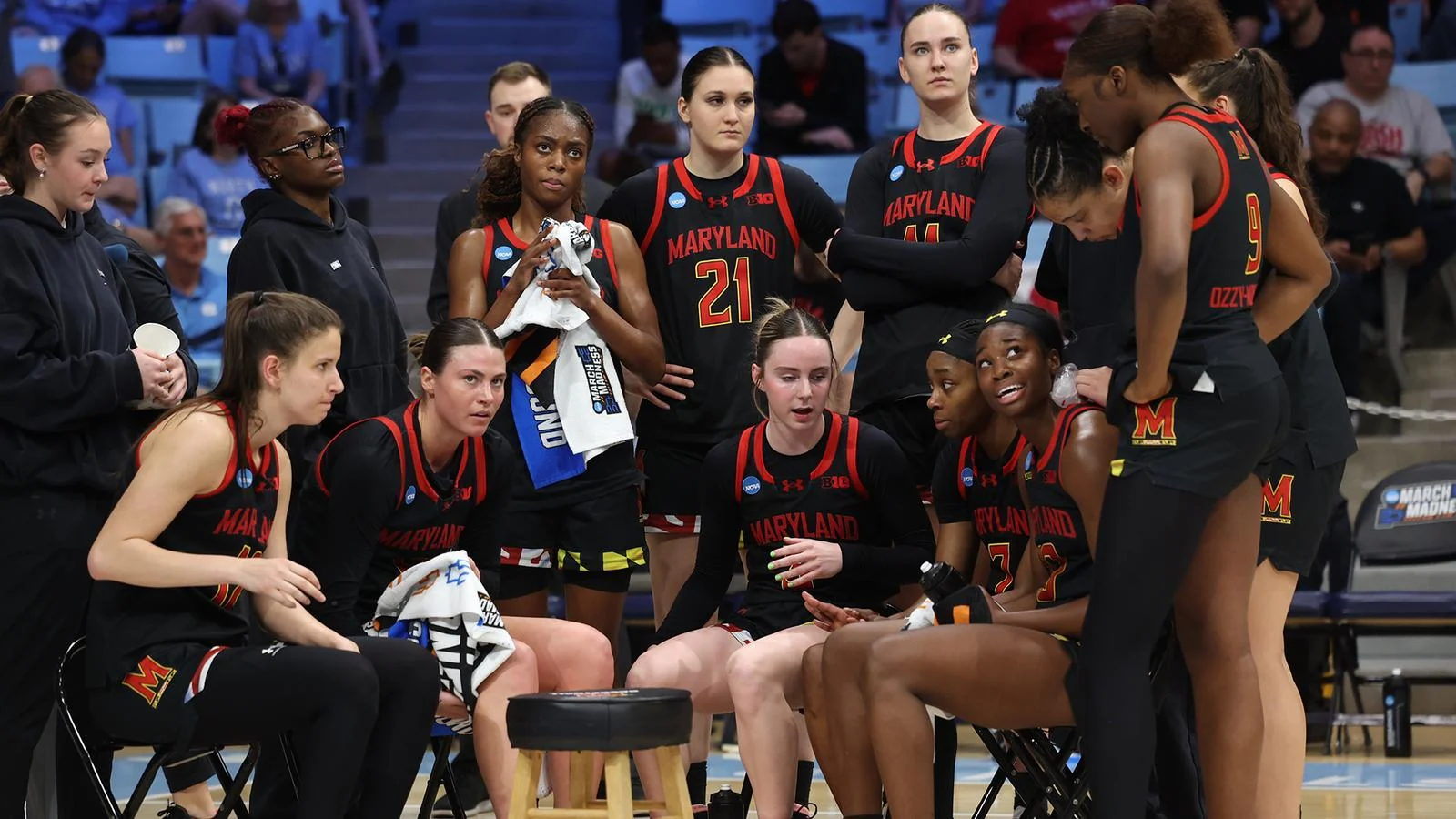
Women's basketball and smaller athletic departments have more at stake here than the headline question of how much a star can earn. A roster has scholarships, medical needs, coaching turnover and travel costs even when its national television revenue is modest. The Senate proposal tries to address parts of that ecosystem, while athlete advocates disagree about whether it gives players enough control over the rules. Those are competing views about a proposal, not evidence that the 2026–27 women's season has already changed.
Scholarships, health coverage and women's opportunities
The September 17 draft protects a player's athletic grant from being reduced or revoked because of performance, injury, illness or a roster-management decision. It also outlines medical coverage for sports-related injuries and standards for care and championship services. The NCAA's own explanation supports those elements and says the bill would preserve minimum opportunities for women's and Olympic sports at qualifying institutions. For a women's team, this is a roster question as well as a welfare question: if an injured reserve can rely on her scholarship and care, the coach's depth-chart decision is less likely to double as a threat to her education.
The text also speaks to comparable facilities and services at championship events. Basketball fans have seen how tournament travel, training space, nutrition and medical support can shape the athlete experience even when the bracket looks equal on paper. The proposal's protection of women's opportunities should be examined against actual grants, roster places and services at individual schools; it should not be simplified into a guarantee of identical NIL income across men's and women's programs. Its Title IX savings clause says the bill is not meant to override that law, but the effect of any final statute would depend on its enacted wording and enforcement.
There is meaningful disagreement among athletes. In an AFL-CIO statement opposing the bill, Maryland women's basketball player Oluchi Okananwa argued that athlete compensation limits should come with collective bargaining and enforceable athlete rights. The National Association of Basketball Coaches, by contrast, has emphasized stability and preserving opportunities for young men and women. Neither statement is a box-score fact about future outcomes. They show the policy choice fans should evaluate: Does a more uniform rulebook give athletes stronger protection, or does it limit their bargaining position too much? Both sides point to real stakes for women's players.
Mid-major recruiting and the competitive gap
A mid-major coach may welcome a clearer rule against tampering when a productive sophomore guard attracts attention after a conference tournament run. Retaining a familiar lead ball-handler can be the difference between building on a March appearance and rebuilding the offense from scratch. Yet larger departments may have more money and staff to use any lawful retention mechanism. The bill's supporters argue that structure helps all programs; the competitive effect remains an inference until a final law, implementing rules and actual spending patterns exist. Our mid-major transfer and NIL analysis describes the current pressure that makes this debate consequential.
What a local basketball broadcast provision would mean
One less discussed part of the September draft concerns local access to basketball broadcasts. The proposal would create a local outlet option when schools and conferences participate in a particular voluntary media-rights arrangement. Under that framework, a covered entity would have to make a way for at least one local outlet to carry a participating school's football or basketball game without charging viewers in that school's designated local market. A national rights holder could meet the requirement through its own freely available offering. The text also preserves the possibility of national and regional media deals.
That sounds appealing if a fan currently needs several subscriptions to follow a team, but its conditions are crucial. The clause is tied to a covered pooled-rights entity and its member institutions. It does not say that every men's or women's Division I game, every road contest or every NCAA tournament matchup would become free everywhere in the United States. The defined local market centers on the area containing the school's principal campus, with some possible adjacent or in-state extension under the draft. A graduate watching her alma mater across the country may therefore face a different access situation from a student living near campus.
Imagine a midweek conference game involving a school that joined the covered rights arrangement. The draft points toward a free local viewing route for fans in that school's qualifying area, while a national or regional rights agreement could still serve other viewers. Before anyone could promise a channel, however, the legislation would need to become law, the relevant media arrangement would need to exist, and broadcasters would need to implement actual listings. The bill names no specific 2026–27 TV channel for a Duke, Maryland or Gonzaga game. It also addresses rights already under contract, so a fan should not assume an existing telecast vanishes or moves overnight.
For the current season, the reliable action is still to check a game's official school or conference listing close to tip-off, especially where TV is marked TBA. Our college basketball TV schedule can help organize the viewing search. The proposed local-outlet rule is worth monitoring because access has real value to fans who cannot attend in person, but its final breadth depends on legislative text and voluntary rights decisions that have not been settled.
What fans should watch before any rule takes effect
For the immediate 2026–27 season, the best way to follow this story is to separate four steps that headlines often compress. First, the Senate passed an amended bill on September 28. Second, the House must decide whether to take up that measure, alter it or pursue another approach. Third, any final congressional bill must complete the constitutional path to enactment. Fourth, even an enacted law may leave implementation details to athletic associations, conferences, schools, broadcasters or regulators. The official Senate committee release on September 28 says the House is the next destination; our September 29 source check found no basis to call the proposal an active federal law.
When a new update appears, ask which version of S.4668 it describes. The September 17 committee draft provides useful detail, but the Senate later approved a substitute and additional amendments before final passage. A House amendment could change the wording again. That is why this article avoids treating draft payment ceilings, exact media-rights conditions or every eligibility clause as fixed forever. The sequence may feel procedural, but it has a basketball consequence: a women's team should not promise a scholarship, a men's team should not rule out a transfer, and a broadcaster should not advertise a free telecast based only on a superseded draft.
For an individual player, the key sources remain the NCAA's applicable eligibility guidance and the school's compliance office, together with any conference rule or case-specific decision. For a fan tracking a transfer, verify the player's official roster status and availability instead of assuming a Senate vote resolves the case. For an NIL report, distinguish a confirmed endorsement from an unattributed dollar figure. For a game, use the team's updated schedule and TV listing rather than a broad claim about future broadcast rights. Those checks work whether Congress acts rapidly or the measure stalls.
The broader question is whether the proposed trade-off delivers the stability its supporters promise while protecting athlete choice and women's opportunities in practice. A vote total alone cannot answer that. Evidence would come from the final text, implementation rules, what players can actually do, and whether smaller programs can keep meaningful access to talent and coverage. Until those steps occur, the clear answer is narrow but important: the Senate has advanced a potentially far-reaching college-sports bill, and current college basketball decisions still follow the rules in force today.
Sign in with Google to join the discussion.