
What is confirmed—and not confirmed—for April 3 and 5
The 2027 NCAA Division I men's Final Four is confirmed for Saturday, April 3, and Monday, April 5, at Ford Field in Detroit. Saturday contains two national semifinals. Four regional champions enter and two winners advance. Monday contains one national championship game between those semifinal winners.
As of September 12, 2026, the precise tip times, game order, matchups and individual TV channel assignments are TBA on the NCAA's public broadcast schedule. The page lists April 3 twice for the semifinals and April 5 for the title game, but the time and network fields are blank. A ticket page, search snippet or copied prior-year schedule does not override that official absence.
| Date | Game | Venue | Tip time | Individual channel |
|---|---|---|---|---|
| Saturday, April 3 | National semifinal 1 | Ford Field | TBA | TBA |
| Saturday, April 3 | National semifinal 2 | Ford Field | TBA; follows the first-game sequence | TBA |
| Monday, April 5 | National championship | Ford Field | TBA | TBA |
The NCAA has confirmed the broader distribution framework. Every game in the expanded 75-game men's tournament will be shown across CBS, TBS, TNT and truTV and their digital platforms. That means the Final Four will be nationally distributed within the rights partnership; it does not tell a viewer which member carries a particular semifinal or the final.
Keep Saturday open as one continuous viewing block. Overtime, replay review, end-game fouling, postgame interviews and the floor transition can shift the actual start of the second semifinal. Even after an official nominal time appears, the live sequence remains more useful than a tight calendar gap.
Monday is a separate broadcast event after an off day. The finalists use Sunday for recovery and a compressed scout of a newly confirmed opponent. Viewers should use that day to verify the listing, recording and any official availability news rather than assume Saturday's channel automatically carries Monday.
The 2027 March Madness schedule guide places these dates in the full tournament. For this viewing guide, the safe answer remains exact but limited: April 3 and 5 are settled; every tip time and game-level channel is still TBA until a dated NCAA or broadcaster update confirms it.
The 2027 Final Four channel is still TBA
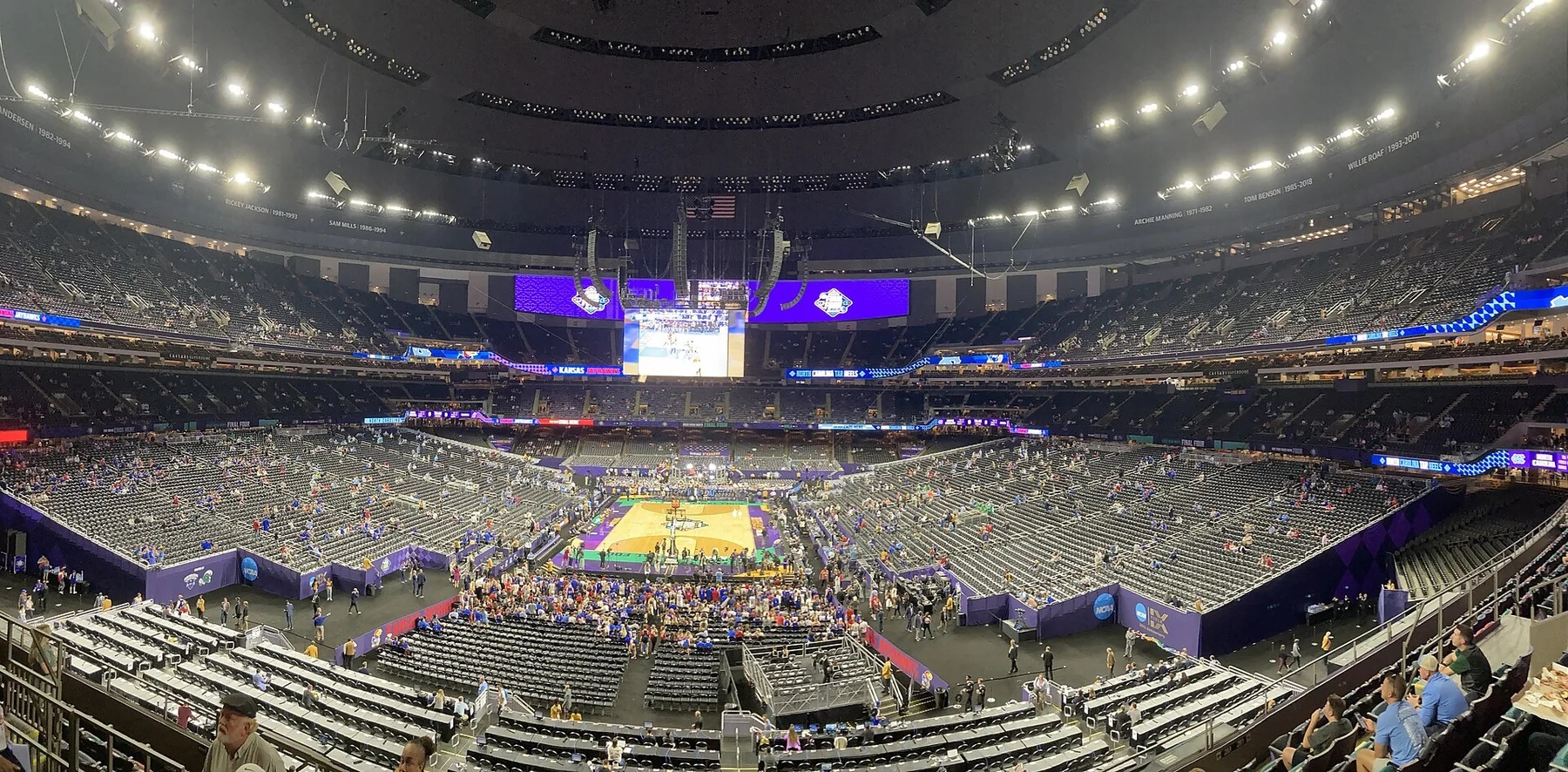
No individual network can be stated as confirmed yet. As of September 12, 2026, the NCAA's men's broadcast schedule leaves the time and network fields blank for both April 3 semifinals and the April 5 national championship. This guide therefore marks all three game-level channel assignments TBA.
The confirmed part is the rights framework. The NCAA says all 75 games in the expanded men's tournament will air across CBS, TBS, TNT and truTV. Its broadcast hub also points viewers to the CBS Sports and TNT Sports ecosystem and March Madness Live. National distribution is settled; the member of that network group carrying each Detroit game is not.
“Across four networks” does not mean that every game appears on all four. Nor does a general March Madness landing page prove that one app contains every feed without authentication. The actual assignment controls both the television channel and the correct legal streaming route.
Past rotation patterns are context, not confirmation. An odd-year Final Four has often led publishers to expect CBS, while the 2026 semifinals and final were announced on TBS, TNT and truTV. Copying either precedent into 2027 would replace evidence with a projection. Rights arrangements, simulcasts, streaming products and companion presentations can change; only a dated 2027 release can settle them.
When that release appears, verify it in at least two official places: the NCAA game-level broadcast page and the named broadcaster's schedule or help page. Record the date of the update, network, Eastern tip time and any simulcast distinction. If the sources conflict, keep the field TBA while resolving which is newer and more specific.
The basketball matchup does not determine this evidentiary standard. A blue-blood semifinal, a first-time participant or a geographically close Detroit team may affect promotion and audience, but it does not allow a writer to infer a network. The same applies to Monday: Saturday's channel should not be assumed to carry the title game until both are listed.
The practical answer is intentionally narrow. CBS, TBS, TNT and truTV comprise the confirmed men's tournament network family. The 2027 Final Four's exact channels remain TBA, and viewers should choose a streaming subscription only after the official assignment identifies what they actually need.
Choose a legal stream after the channel assignment
The correct streaming service is conditional, because the individual 2027 channels are still TBA. Wait for the NCAA's game-level assignment, then map each Detroit game to the authorized route below. Confirm current plan names, device support and regional terms before paying; streaming products can change between September 2026 and April 2027.
If the game is assigned to CBS
The NCAA's current ways-to-watch page directs CBS games to Paramount+. Paramount+'s own March Madness guidance says live CBS access requires its Premium plan. Verify the 2027 offer at purchase, because a lower plan or an on-demand catalog is not proof of a live local CBS feed.
A supported over-the-air antenna may be a lawful alternative if the game is on CBS and the local station is receivable. A live-TV provider carrying the local CBS affiliate can also work. Check by ZIP code, since local-channel availability is not identical everywhere. Test the exact station rather than assuming a service's CBS logo guarantees every local feed.
If it is assigned to TBS, TNT or truTV
The official NCAA page currently directs TBS, TNT and truTV tournament games to HBO Max. The 2026 Final Four release provides a concrete example: the semifinals streamed on March Madness Live and HBO Max alongside the Turner-network telecasts. That example shows the pathway, not the 2027 channel.
A cable, satellite or virtual multichannel package may also carry the assigned Turner network. Inspect the current channel lineup and streaming permissions. TBS access does not automatically prove TNT or truTV access, and a base entertainment service may require a sports add-on by 2027. Preserve the cancellation date if subscribing only for the tournament.
March Madness Live and provider authentication
March Madness Live is the official tournament hub. The NCAA advertises every game across devices and specifically describes using a TV-provider sign-in. Open the actual game tile once the schedule is published; it should display the assigned network and the access required.
Provider authentication is not a formality. Reset the password, confirm the account includes the channel and activate the chosen television or streaming device before Saturday. A login working on a phone browser does not guarantee that a living-room app has completed activation. Do not depend on a limited preview window to cover two semifinals, studio coverage and possible overtime.
For viewers outside the United States, use the NCAA's current international broadcast listing. Service names and rights can differ by country. An unauthorized restream or a VPN workaround is neither a dependable backup nor part of this guide.
Choose the least complicated authorized combination that covers all assigned games. If the semifinals and final use different paths, write each one beside the date. Respect concurrent-stream and household limits at a watch party; “available online” is useful only when the correct account can play the correct feed on the correct device.
Protect the entire Saturday viewing window
Saturday, April 3, is a two-game national-semifinal event, so reserve it as one extended viewing block. The precise 2027 tips are still TBA, and the second game exists inside a live sequence rather than an isolated appointment. The first semifinal must finish, postgame obligations must occur, and the floor and broadcast must transition before the next teams begin.
Even after the NCAA publishes a target time, basketball can move the actual clock. Overtime adds five playing minutes plus stoppages. A one-possession finish can bring intentional fouling, replay reviews and multiple timeouts. A celebration, interviews and lineup introductions also occupy real time. Treat any “followed by” estimate for semifinal two as the earliest practical window unless the official schedule explicitly defines it otherwise.
Keep the authorized feed running between games. Studio coverage can communicate the next game's timing, availability news and tactical context. It also avoids a new login just as the second semifinal starts. A fan switching apps during the break should confirm that the same network and streaming route carries both games; that assignment is not yet confirmed for 2027.
When official Eastern times arrive, convert them once. Ford Field is in Detroit, so an NCAA listing marked ET should be saved with that source zone. Calendar software can then display the correct local time and account for daylight-saving differences. Avoid mixing a manually converted social post with a device-localized schedule tile.
Set one alert before pregame coverage, another before the first listed tip and a live alert for game two. If joining late, use the official game tile rather than guessing from a scheduled end time. For a watch party, plan food and travel so nobody expects a fixed dinner break between semifinals.
Monday is operationally simpler because the championship is the only game, but its tip remains TBA as well. A recording or calendar entry should still include pregame coverage and extra finish time. National-title games can slow dramatically in the final possessions as teams use fouls and timeouts to preserve a comeback.
The viewing principle is the same as a coach's tournament plan: protect against the event running outside a neat average. A wide Saturday block preserves both semifinals, including the finish that determines who advances to Monday.
Build a watch setup that survives a long game
A Final Four setup must survive more than the opening tip. It has to remain authenticated through two Saturday games, a long between-game segment and possible overtime, then work again Monday. Build around the exact authorized service assigned to each game, not a generic “sports” subscription.
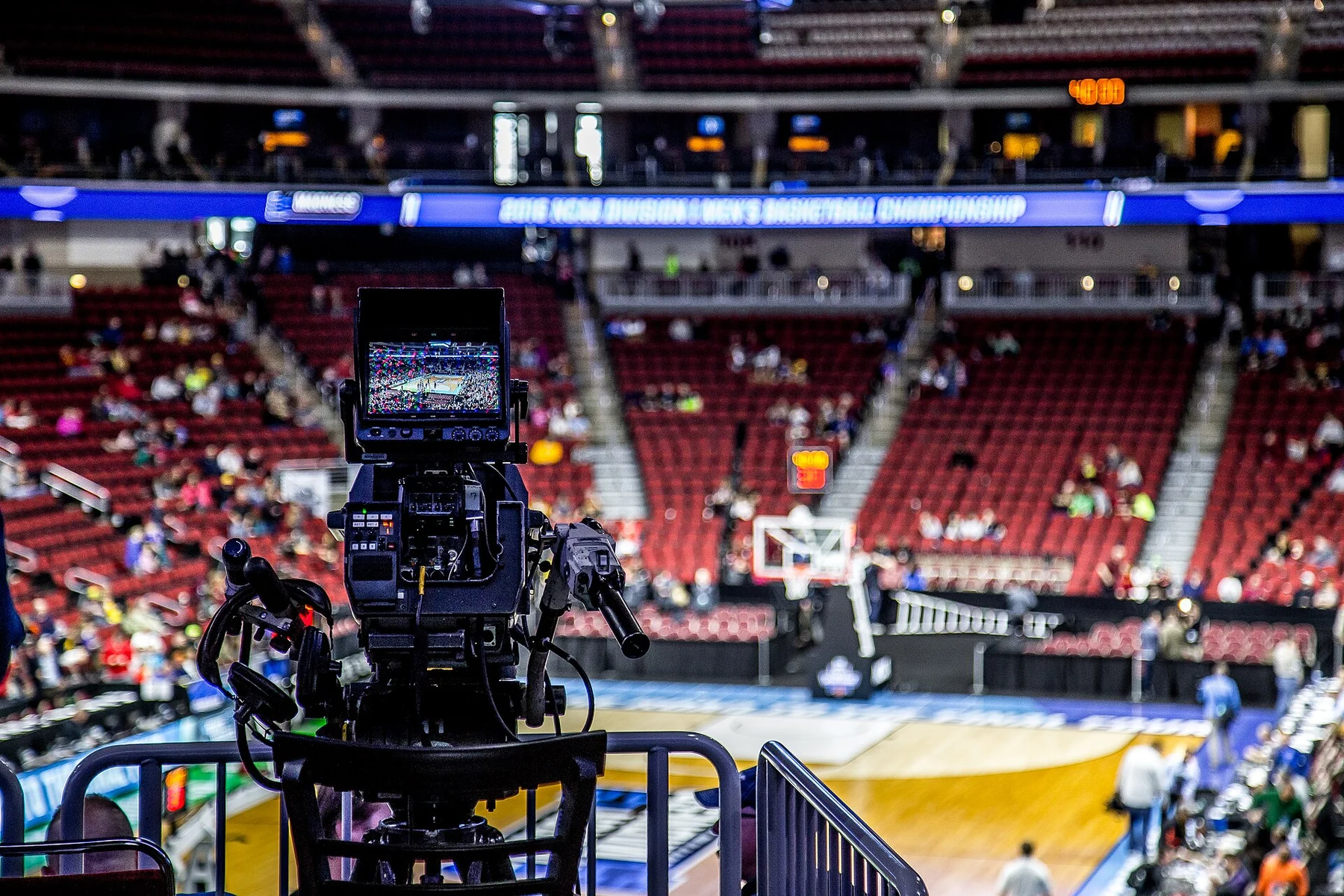
Test the exact device and account
Choose the primary screen, install or update the relevant app and complete every activation step at least a day early. Open March Madness Live or the confirmed broadcaster, sign in with the actual provider or subscription account, and play an available live or replay video. Reaching a home screen does not prove the account includes the required channel.
The NCAA activation page says provider-account verification is handled by the TV provider. That means a March Madness Live password reset cannot fix a cable entitlement problem. Confirm provider credentials and package access before tournament night. Check whether a virtual-TV service carries the local CBS affiliate or the named Turner channel in the viewer's ZIP code.
Test picture, audio, captions and casting on the exact hardware. Official support lists change, and an old smart TV may run an app that can no longer update. A wired network can reduce congestion at a watch party; otherwise pause large downloads and keep the streaming device near stable Wi-Fi. Connect power and disable aggressive sleep settings.
Use the college basketball on TV guide as a game-day cross-check, while allowing the NCAA and named broadcaster to control the final assignment.
Set a lawful backup and extend recordings
Choose one authorized backup after channels are announced. If CBS is assigned, a receivable local antenna or a qualifying Paramount+ stream may complement a live-TV provider. If a Turner network is assigned, March Madness Live with provider authentication and the current HBO Max route may provide redundancy. Respect household and concurrent-stream limits.
If recording, extend the end substantially or record the following program. Overtime, reviews, timeouts and intentional fouling can carry a semifinal or title game beyond its guide slot. Keep Saturday's recording continuous across both games when the service permits it.
Assign one person to manage a watch-party stream. Constant app-switching can create failures and exposes delay differences. Disable score alerts if the stream trails linear television; a phone notification can spoil a last shot seconds before it appears.
Finally, leave the feed running through halftime. Championship adjustments—changing ball-screen coverage, hiding a player with foul trouble or attacking the offensive glass—make more sense when the analysis remains connected. Reliability protects the basketball story, not merely the pixels.
Update the guide at tournament milestones
Future viewing information becomes reliable in stages. Use each tournament milestone to update only the fields it actually settles. Device and account testing can begin earlier; do not postpone basic setup until the teams are known.
Selection Sunday establishes paths, not participants
Selection Sunday is March 14, 2027. The bracket will identify the 76-team field, seeds, regions and possible routes to Detroit. It will not identify the four Final Four teams. Every school must still survive its opening assignment, the round of 64, the round of 32, the Sweet 16 and an Elite Eight regional final.
Save the official bracket and the broadcast schedule version published that day. Early-round channel conventions may become clearer, but keep the April 3/5 channel and time fields TBA unless the NCAA explicitly fills them. A graphic predicting a Final Four matchup is analysis, not schedule data.
Elite Eight results name the four teams
The 2027 regional rounds run March 25–28. Each Elite Eight winner becomes one of the four Detroit participants. This is the moment to replace generic regional labels with team names and confirm the official semifinal pairing and order.
The matchups add useful viewing context. A team built around offensive rebounds creates a different studio question against an elite defensive-rebounding group than a transition-heavy team facing deliberate floor balance. Availability, rotation and foul-risk analysis should come from current team or credentialed reporting, not preseason assumptions.
Regional results may also change watch-party interest, but they do not automatically change the network. Use the game-level NCAA grid for that field.
Final Four week locks the viewing details
During the week beginning March 29, open the NCAA Final Four broadcast page and the named broadcaster's schedule. Confirm both semifinal channels, Eastern tips, game order, pregame coverage, simulcasts and streaming requirements. Save them to the college basketball calendar or a personal calendar with the source time zone attached.
On Saturday morning, verify the official game tiles and sign in again. Check whether semifinal two has a target time or a “following” description, extend recordings, and silence score alerts if stream latency matters. After Saturday, update Monday with the two finalists and recheck its channel and tip. Do not assume the championship uses an identical app route merely because it belongs to the same weekend.
If an official source still leaves a field empty, keep it TBA. The dates and rights family were confirmed on September 12, 2026; the missing game-level details should move only when a specific, dated official source supports the change.
Keep the men's and women's broadcasts separate
This guide covers the 2027 NCAA Division I men's Final Four in Detroit. The Women's Final Four is a separate championship in Columbus, and its dates, venue, bracket and television rights must not be used to fill gaps in the men's schedule.
The men play their semifinals Saturday, April 3, and championship Monday, April 5, at Ford Field. The women play semifinals Friday, April 2, and their championship Sunday, April 4, at Nationwide Arena. The weekends overlap, which makes a search result labeled only “Final Four 2027” especially easy to misread.
The rights packages are also different. The NCAA says the men's 75-game tournament airs across CBS, TBS, TNT and truTV. It says every game of the women's tournament airs on ESPN networks. An ESPN listing for Columbus does not identify the men's Detroit channel; a CBS or Turner listing for Detroit does not identify the women's feed.
Check four identifiers before using any schedule entry: tournament gender, city, venue and date. For this article, they must say men's, Detroit, Ford Field, and April 3 or April 5. For the women's event, they should say women's, Columbus, Nationwide Arena, and April 2 or April 4. Similar logos and March Madness language do not merge the events.
Each bracket also produces its own four regional champions. A school can appear in one tournament without its counterpart reaching the other, and semifinal pairings are not transferable. The women's college basketball schedule is the appropriate starting point for readers seeking the Columbus championship path.
As of September 12, 2026, the distinction is more reliable than any unconfirmed game-level channel. Men's precise tips and individual channels remain TBA in this guide. Women's viewers should consult the Women's Final Four broadcast page for its own 2027 updates rather than treating this men's TBA notice as their schedule.
Separating the events is not pedantry. It prevents a viewer from choosing the wrong service, saving the wrong night or following a game tile from another tournament. Always preserve the full event name when sharing the schedule.
Sign in with Google to join the discussion.