The 2026 rule allows three preseason games in total
For Division I basketball in 2026-27, the NCAA permits up to three preseason practice scrimmages or exhibition contests combined against four-year collegiate institutions under the applicable exemption. It is not three exhibitions plus another three closed scrimmages. The shared allowance is the central reason a preseason schedule can look busier without adding regular-season wins and losses.
Think of three available places in the same preseason allocation. Two exhibitions and one practice scrimmage use all three. One exhibition and two scrimmages also use all three. Those are examples of the arithmetic, not reports that a particular team has chosen either arrangement. “Up to” also matters: a school does not have to schedule the maximum.
When the adopted change took effect
The NCAA's legislative record for Proposal 2026-7 identifies the change as adopted final on April 15, 2026, with an August 1 effective date. Its source is the Division I men's and women's basketball oversight committees. The record is more useful for determining the current status than a January article describing what the committees were proposing.
The distinction between a proposal and an adopted rule is especially important here. Basketball has several overlapping discussions about exhibitions, summer activity and the structure of the calendar. A recent headline about one of those discussions does not automatically revise the rule governing October competition. Check the measure, status and effective date together.
The opponent qualification is another boundary worth preserving. The adopted allowance refers to four-year collegiate institutions. It should not be summarized as permission to play any three opponents under any conditions. The legislative provision also places these preseason games before the applicable first-contest date, so the exemption is not a spare category that can be inserted anywhere during the regular season.
For a fan, the practical change is an additional opportunity to see a team work against outside opposition. New guards can test their communication under pressure, bigs can adjust to a different defensive coverage and coaches can assess combinations beyond their own practice matchups. Those are preparation benefits rather than extra entries in the standings.
This guide concerns the Division I preseason allowance. It does not assume every college division uses identical scheduling legislation, and its game examples below are men's games. Where the discussion turns from how many contests may be scheduled to the playing rules used in a public men's exhibition, that narrower scope is identified.
Exhibition games and closed scrimmages share the allowance
The choice between a public exhibition and a closed scrimmage concerns how a program uses its preparation opportunities. It does not create a second three-game allocation. A school can choose a mixture within the shared limit, and a fan should identify the activity before looking for tickets, a broadcast or a conventional final score.
Public competition is not the same as a regular-season game
The increased visibility of major-program exhibitions did not begin with the third-game allowance alone. In January 2025, the NCAA eased Division I men's rules for preseason games against other four-year schools and removed the requirement that practice scrimmages be private and without official scoring. That earlier change helps explain why October basketball can now look much more like a consumer event.
The May 2026 men's playing-rules announcement adds an important boundary: public scrimmages and preseason exhibition games must follow NCAA playing rules fully. A televised exhibition is not permission to invent an extra quarter or ignore a rule simply because the result will not enter the regular-season record. If a viewer sees an unusual format described elsewhere, it needs its own verified context.
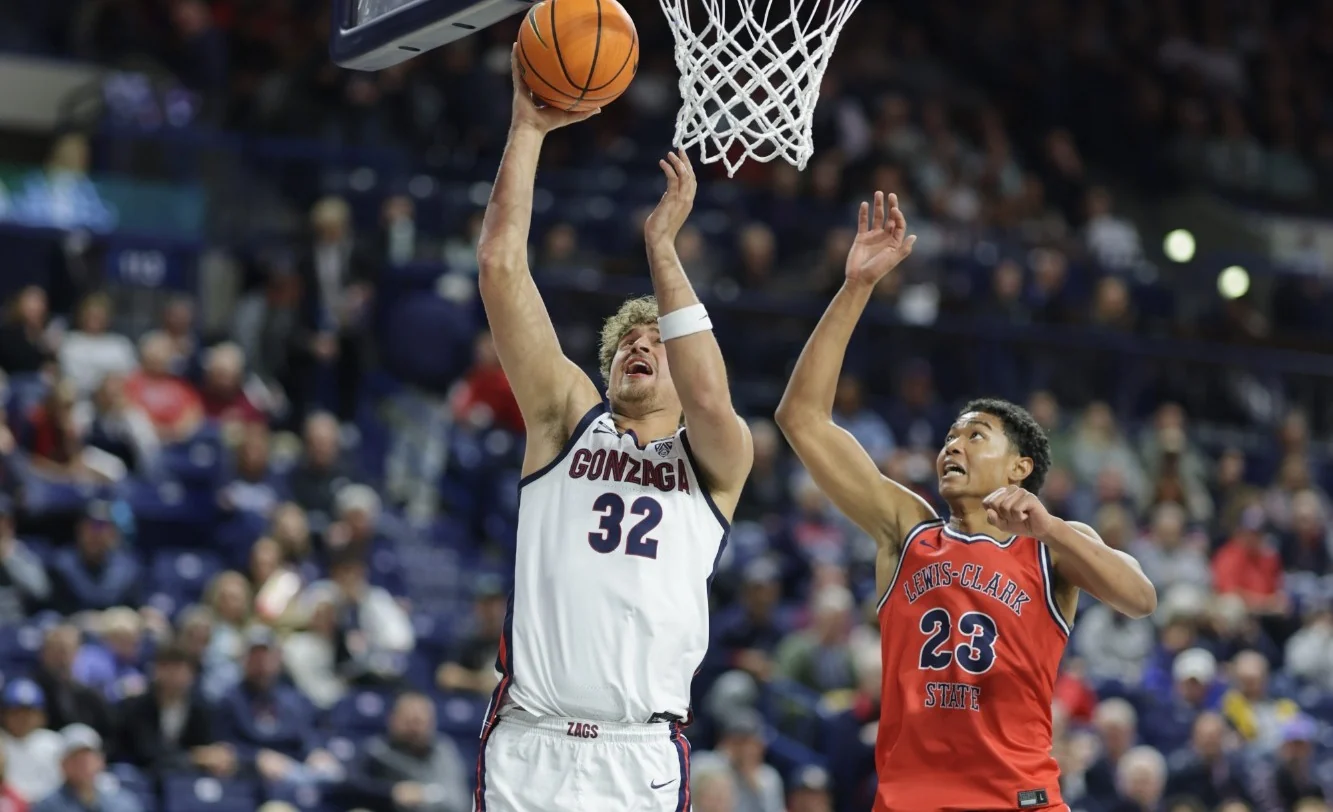
Arkansas–Gonzaga on October 24 is an example of public preseason competition that supplied an official score, a school recap and useful basketball evidence. The visibility makes the game easier to follow. It does not change the category of the contest into an ordinary regular-season result.
A closed scrimmage is not an automatic missing broadcast
A closed event should be approached differently. Without an announced public stream, the absence of a television listing is not necessarily a broken guide or a platform hiding the game. Check what the school has actually said about access before searching for a channel that may not exist.
The same caution applies to an unofficial score circulating afterward. Before comparing it with a televised exhibition, establish what competition was conducted, who participated and whether the reported number represents the whole activity. Do not assume an unsourced social post provides all of those details. The lack of a full box score also limits how confidently anyone can assess roles or efficiency.
For coaches, the choice can serve different preparation needs. A public game tests communication in front of a crowd and introduces game-day routines. A private setting can keep the focus on the team's work without promising a spectator product. Those are practical differences, not evidence that one option is inherently more competitive or more useful for every roster.
The fan's first question should therefore be “what has been scheduled and announced?” Only then should the conversation move to where to watch and what the result reveals. That sequence avoids treating a closed practice activity as a cancelled television game.
Why a team can win an exhibition and still be 0-0
The adopted preseason provision says these contests do not count toward the institution's won-lost record. A real score and a 0-0 season record can therefore coexist without an error. One describes the exhibition that was played; the other describes the record the school carries into its regular season.
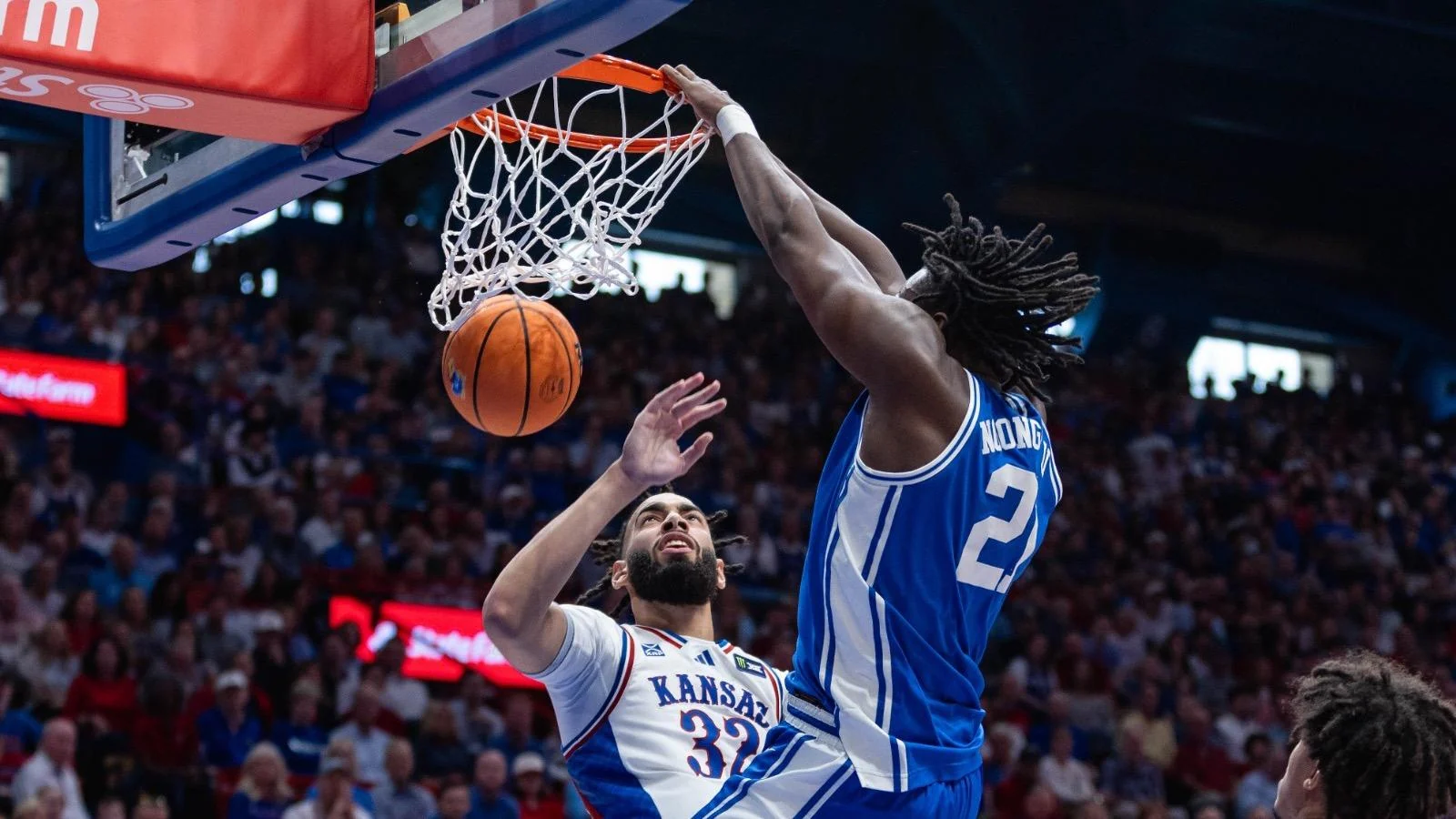
Duke's 90–84 win at Kansas on October 25 illustrates the distinction. The schools can publish a score, a box score and a recap because the game happened and the performances are worth documenting. Its exhibition classification still matters. It is not an additional regular-season road victory simply because the opponent is prominent and the building is full.
Likewise, Arkansas' 76–72 exhibition win over Gonzaga gives fans something concrete to evaluate without putting either team a game ahead or behind in the regular-season standings. A schedule page may show an exhibition result separately while retaining the season record that applies to the counting games. Read the label before assuming the page contradicts itself.
For a viewer comparing teams, that creates two different uses of evidence. The result can inform a basketball opinion about an offensive connection, defensive vulnerability or rotation possibility. It should not be inserted into a regular-season résumé table as though its category were irrelevant. Our season-start guide helps separate the preseason calendar from the counting schedule.
Individual statistics also need their proper label. A report that a player scored 28 points in an exhibition is a meaningful account of that performance. It should not be silently merged into a published season scoring average or a career record calculation without checking the statistical rules and the source's definition. Keeping an exhibition line separate makes the comparison more honest.
The institutional record provision does not, by itself, answer every individual eligibility question. A player's clearance to participate, medical situation or other eligibility issue needs its own applicable determination. “It does not count in the team's record” should not be expanded into “no other rule can matter.” That would turn a narrow scheduling provision into an unsupported universal claim.
The sensible fan response is neither to erase the game nor to promote it into something it is not. Keep the result, describe the contest accurately and use it for the questions it can help answer. A promising pick-and-roll connection is worth noticing. A definitive conclusion about a team's full-season level requires much more than one noncounting October score.
What Arkansas-Gonzaga shows about reading an exhibition result
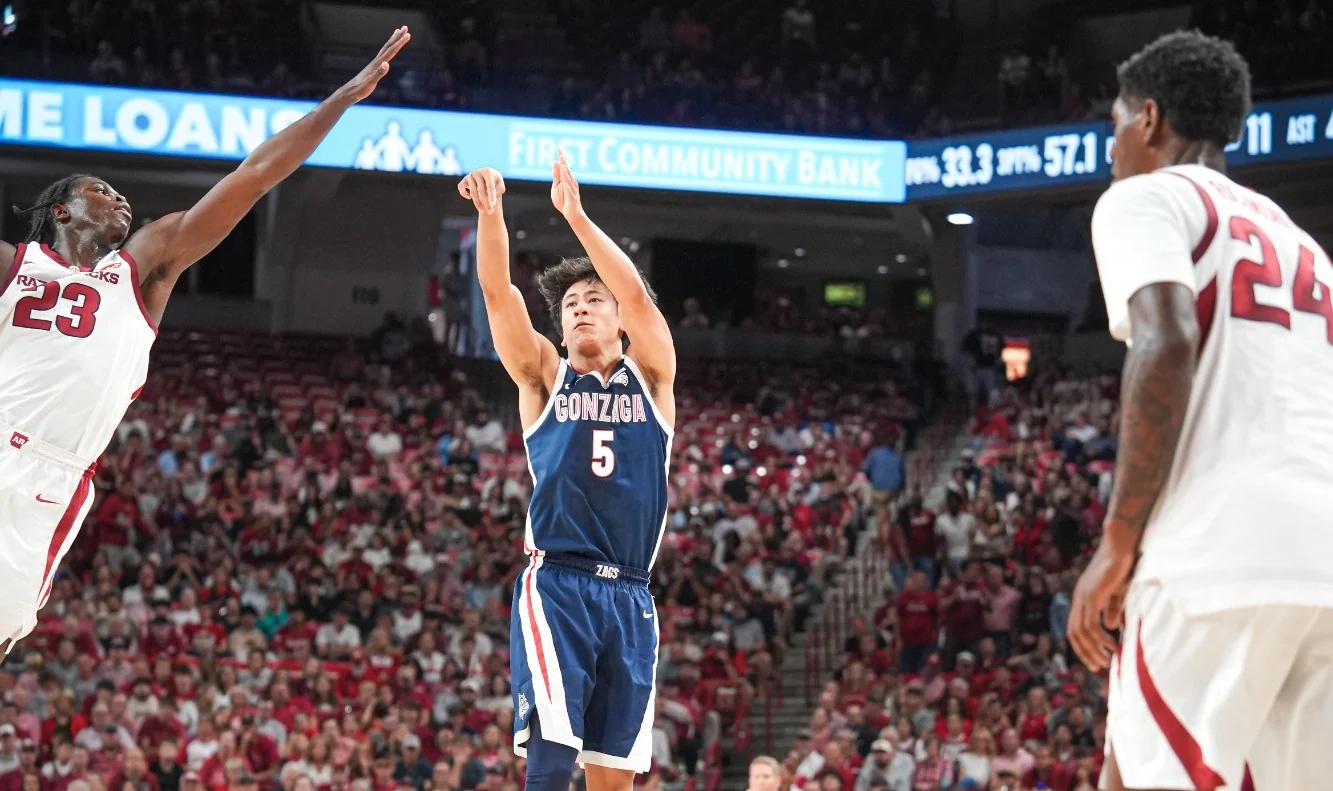
Arkansas' 76–72 win over Gonzaga at Bud Walton Arena on October 24 is useful precisely because the result contains several different basketball stories. The winner had the better three-point night. The losing team won the overall rebounding comparison and scored more in the paint. Treating the final margin as the only relevant evidence misses those contrasts.
Separate shooting results from shot quality
Gonzaga's official recap lists Arkansas at 11-for-24 from three and Gonzaga at 6-for-28. Those are the recorded shooting outcomes. They are not, by themselves, a measurement of how good each attempt was or a forecast of either team's full-season percentage.
The next step is to examine the possessions. Were shots created after the defense rotated, or taken under late-clock pressure? Did the ball move through the paint first? Did a shooter receive a clean pass with balanced feet? Those questions can distinguish encouraging execution from a favorable run of makes. They are questions for film review, not conclusions supplied by the percentage column.
Rebounding can reveal a different contest
The same Gonzaga report records a 52–47 rebounding advantage for the Bulldogs and a 36–22 edge in points in the paint. Those figures show areas in which Gonzaga generated an advantage despite losing. They do not cancel Arkansas' win, but they make the performance more informative than a simple “winner good, loser bad” reading.
Raw rebounds also need context because available misses affect opportunity. Before declaring a team dominant on the glass for the season, consider who was on court, where the misses went and whether players consistently completed their box-outs. One game can point toward a question to investigate without answering it conclusively.
One close finish is still one preseason sample
Arkansas' account highlights Davion Thompson's late step-back three and Billy Richmond III's final free throw in securing the result. Those are meaningful end-game actions. They let coaches review decision-making under pressure and give supporters a concrete moment to discuss.
The limitation is the size and setting of the sample. A competitive finish does not establish which team would win a later meeting, how either rotation will settle or whether the same shot-making pattern will persist. It also does not make every earlier possession representative of the lineup a coach will trust in February.
The useful conclusion is narrower and stronger: Arkansas won this exhibition, Gonzaga produced advantages in other parts of the box score, and both teams supplied material for further evaluation. Retaining all three points gives fans a better basketball explanation than either dismissing the game entirely or treating it as a completed season preview.
Why coaches value a third competitive rehearsal
The NCAA's stated rationale includes improving readiness and giving players another game-like opportunity to adjust to new teammates. That is a useful way to understand the third allowance: it supplies another preparation choice, not a requirement that every program turn October into a miniature regular season.
Outside opposition can expose problems that familiar practice matchups conceal. A guard may know exactly how his own team's defenders hedge a screen, then face a different response in an exhibition. A new frontcourt pairing can discover whether its spacing holds when an opponent brings help from an unexpected angle. Those are general preparation benefits, not claims about a specific coach's private practice plan.
Read roles and possessions alongside the final score
Patrick Ngongba II's performance in Duke's 90–84 exhibition win at Kansas offers a concrete example. Duke's official recap credits him with 28 points, 10 rebounds, four assists and two blocks. The scoring attracts attention, but the broader line raises useful questions about how he can contribute as a passer, rebounder and defender within a lineup.
A viewer can follow the possessions to ask where those opportunities came from. Did the offense create a useful catch near the basket? Did a second defender open a passing lane? Was a rebound secured after a teammate completed the first box-out? Those questions help identify repeatable decisions without assuming the same statistical output will recur against every opponent.
Rotations deserve the same care. The first group on court is information, but it is not a guarantee of the starting lineup months later. A coach may be assessing combinations or distributing opportunities. Unless the coach explains the intention, describe what happened rather than inventing why a player entered at a particular moment.
The added opportunity can also help teams practice ordinary details: getting a substitute to the table, organizing after a timeout, finding the correct defensive assignment and communicating through a noisy possession. None requires a championship-level opponent to be useful, and none is measured completely by the winning margin.
For fans, the best use of an exhibition is to leave with a few specific observations and a few questions for the next game. A promising passing connection can be followed again. A recurring breakdown can be checked against another opponent. That is a more durable way to learn about a team than declaring its entire ceiling from one October performance.
What fans should verify before watching or reacting
Start with the host school's current announcement. Confirm the date, time zone, venue and whether the activity is public. Then identify the actual viewing service. An exhibition appearing on a schedule does not mean every regular-season television partner will carry it, and a streaming designation should not be converted into a promise of a linear channel.
Admission needs its own check. Arkansas' October 22 preview specifically said its two home exhibitions were not included in the 2026-27 season-ticket package. That is a concrete example of why a familiar seat or a season purchase should not be assumed to cover every preseason event. It is a historical condition from those games, not a claim about the terms used by every school.
- Check the category. Exhibition, closed scrimmage and regular-season game are not interchangeable labels.
- Check access. Use the school's ticket and broadcast links rather than assuming a private activity has a public stream.
- Check the personnel context. Confirm announced availability and avoid filling gaps with injury or eligibility rumors.
- Check the evidence. An official box score supports more specific observations than an unattributed score from a closed event.
- Check the scale of the conclusion. One game can identify a useful question without fixing a team's season outlook.
The college basketball viewing guide provides the broader platform picture, but individual exhibition announcements remain the right place for event-specific details. Recheck those details close to game day, particularly when a listed time or service has changed since an early schedule release.
Finally, separate the adopted preseason allowance from the NCAA's October 6 summer-competition proposal. As of this article's October 30, 2026 check, the latter remains a proposal with further committee and Cabinet review ahead. Its suggested three summer competition dates should not be described as another already approved set of preseason games.
The current rule is useful without exaggeration: Division I teams can use up to three qualifying preseason exhibitions or practice scrimmages combined. The games can produce real competitive evidence while remaining outside the institution's won-lost record. Follow the actual possessions, keep the category visible and let later games test what October seemed to reveal.
Sign in with Google to join the discussion.