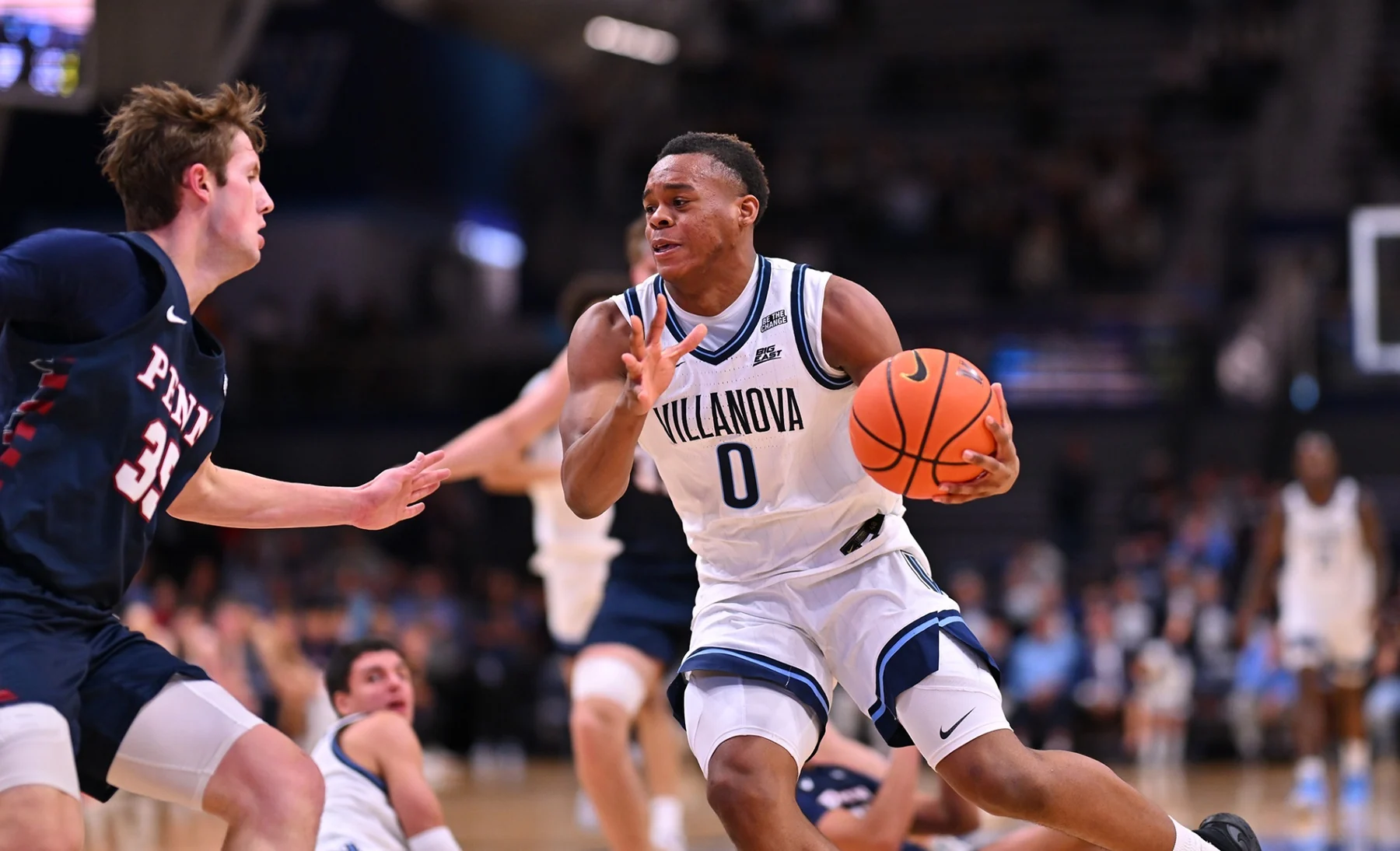
Villanova's departure starts with the 2027-28 men's season
Villanova will no longer participate in the Philadelphia Big 5 men's championship format when the remaining five schools begin a round-robin arrangement in 2027-28. The change was announced on October 22, 2026. It does not cancel the 2026 Big 5 Classic or remove the Wildcats from this season's existing arrangement.
That one-year distinction is the most useful place to start. A fan planning a December outing and a fan wondering about next year's city championship are asking different questions. Reading “Villanova exits” as an immediate withdrawal produces the wrong answer for the current schedule.
What the October announcement confirms
The joint announcement published by Temple identifies Drexel, La Salle, Penn, Saint Joseph's and Temple as the schools adopting the future men's format. It also says the Classic at Xfinity Mobile Arena will continue for its fourth season in 2026, while its current format will not continue in subsequent years. Villanova's October 28 athletic director update likewise identifies 2026-27 as the final season of the existing arrangement.
Those statements establish participation and timing. They do not supply a complete 2027-28 schedule, future tip times or a television package. Nor do they show that every possible Villanova game against a Philadelphia opponent has been cancelled forever. Participation in an organized championship and the ability to arrange a separate bilateral game are different matters.
The departure also needs the right competition label. Big 5 is Philadelphia's local basketball partnership, not the Big East conference. Leaving its men's championship format is not the same as changing conference membership. A reader who sees only the numeral and the word “Big” can otherwise mistake a city scheduling story for another national realignment announcement.
The basketball significance is substantial even with those limits. A local championship provides a repeated point of comparison among neighboring programs, and its games carry meaning beyond a generic nonconference date. Changing who participates changes that comparison. It also changes what fans can expect to see together on the same annual calendar.
For now, keep two lines in mind: the current six-school Classic arrangement has a 2026 edition to play, and the five-school men's round robin begins in 2027-28. Everything else should be attached to the correct side of that timeline. That prevents a legitimate long-term concern about tradition from turning into inaccurate short-term ticket or viewing advice.
Which five schools remain in the Big 5
The future men's arrangement consists of Drexel, La Salle, Penn, Saint Joseph's and Temple. The name will once again correspond to five participating schools, but that should not obscure the most common membership error: Drexel is already part of the series. It is not a newly recruited replacement appearing for the first time in 2027.
Drexel's official April 2023 announcement documented its admission to a six-school Big 5 structure and the introduction of the pod-and-Classic format. That history explains why recent editions have involved six teams despite retaining the familiar name. It also explains why simply saying “the old five return” is inaccurate: Villanova is leaving the men's championship arrangement, while Drexel remains.
These schools share a local basketball identity without sharing one conference. A Big 5 matchup can carry city-series meaning while sitting inside a team's wider season of nonconference and conference obligations. The Division I teams by state and conference guide is the better reference for formal league classification; the October announcement is about a regional partnership.
That distinction matters when reading standings and postseason implications. A city-series title is meaningful, but the announcement does not establish a new NCAA conference or a new automatic tournament bid. A fan should not substitute Big 5 results for a school's conference record when following its league championship path.
There is still substantial sporting value in comparing neighbors. A local game can test a guard against a different style of pressure, put a frontcourt against an unfamiliar rebounding matchup and give supporters a result to discuss beyond their own conference schedule. Those benefits do not require all five programs to have identical resources, national expectations or postseason prospects.
For Drexel specifically, the accurate story is continuity within a changing format. The Dragons helped make the recent six-team version possible and will be part of the announced five-team version. Describing them only as the school “taking Villanova's place” erases those intervening seasons and invites confusion about which games already count this year.
For supporters of the remaining schools, the immediate task is to follow the existing 2026-27 schedule and then look for their own program's future home-and-away details. The five-school commitment is confirmed. The exact practical experience—dates, opponents' visits, ticket access and television—is something the eventual schedules must fill in.
The 2026 Big 5 Classic still belongs on this season's calendar
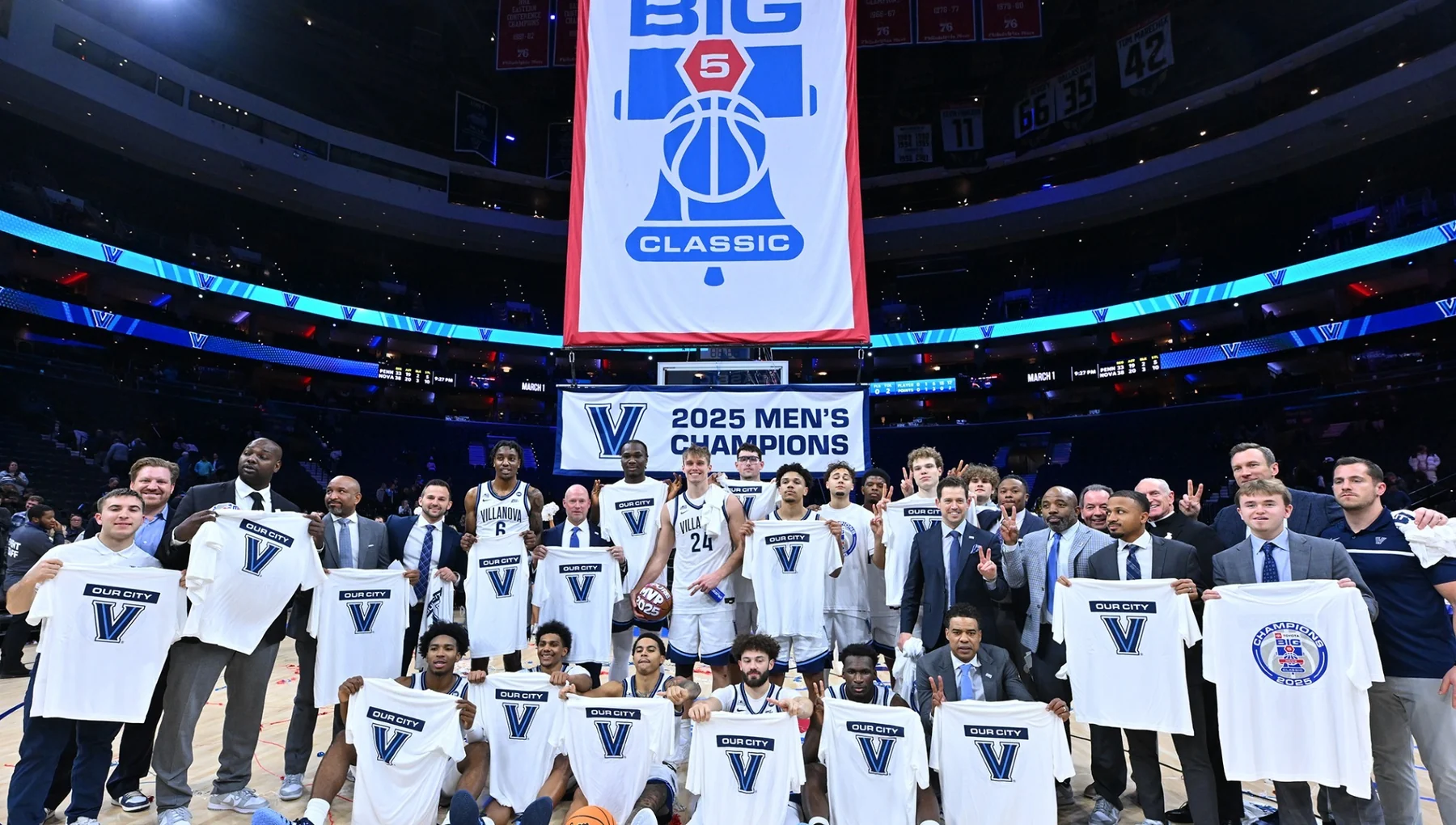
The men's Toyota Big 5 Classic is scheduled for Saturday, December 5, 2026 at Xfinity Mobile Arena. The October departure announcement preserves this edition. Fans should therefore follow the current pod results and event updates rather than treating the news as a cancellation notice.
Why a final Classic is different from the next format
This season's structure still uses two three-team pods. Drexel, Penn and Saint Joseph's form one; La Salle, Temple and Villanova form the other. Schools play their pod opponents at campus sites, and the results determine the pairings for the arena tripleheader. The first-place teams meet for the championship, with the other games deciding the remaining placing positions.
That means a December opponent cannot simply be filled in from a favorite rivalry or last year's program. A fan hoping for Villanova–Penn, for example, needs to watch how the pod standings develop rather than assuming the event is already promising that matchup. The path to the final is part of this season's competition.
Check the actual event before buying tickets
Use the arena's dated 2026 ticket announcement and the participating schools' current schedules. An evergreen event page can retain older dates or television information. During this research, the arena's general Classic page still included material from earlier editions, making the dated announcement the clearer source for this season.
Before purchasing, confirm the year, men's event, venue and admission product. A suite listing, family package or hospitality upgrade should not be assumed to have the same conditions as a standard seat. Also check what the ticket includes, whether all games are covered and what the venue permits if you leave between games. Those are product and venue questions that a format announcement does not answer.
For a day of basketball, the practical experience extends beyond tipoff. The game you most want may be only one part of the tripleheader, and later pairings depend on earlier competition. Allow time for entry and verify the published order once it is finalized. Do not carry a previous edition's start times or regional television channel into 2026 by habit.
The immediate fan opportunity is therefore real: this year's Classic remains on the calendar. Its significance is sharpened by what follows, but the future five-team arrangement should not be used as a substitute for this year's event instructions.
How a five-team round robin changes the city race
A round robin gives the five participating schools a common group of opponents rather than a championship route built around two separate pods and a final pairing. With five teams, each school has four other local programs to face. That structural change makes the city race easier to describe: supporters can follow results across the same opponent group instead of waiting to see which cross-pod matchup the Classic produces.
The schools' announcement emphasizes scheduling stability and home-and-away contests. It does not provide a detailed future matrix, so that phrase should not be inflated into a claim that every pair must meet twice in the same season. The released schedules will establish the annual dates and locations. A promise of round-robin participation is confirmed; a guessed eight-game schedule is not.
Four local opponents, a different scheduling commitment
The difference can be seen through a hypothetical Drexel season. Under the current pod structure, the Dragons have two assigned pod opponents before the arena game. Under the announced full round robin, the local opponent group extends to all four of the other participating schools. That makes the commitment less dependent on a particular final-day pairing.
For a coach building a nonconference slate, repeated local opponents can provide a useful foundation. Dates still have to fit around travel, exams, television and other events, but knowing a recurring set of programs is different from filling every opening independently. That is an analytical explanation of the schools' stability argument, not proof that the eventual calendar will be easy to assemble.
Common opponents also improve one kind of comparison without making every circumstance equal. One school may play a rival at home while another visits; injuries, rest and the point in the season can change a matchup. Fans should keep those differences in mind before treating a small city-series table as a complete ranking of program quality.
The on-court appeal remains clear. A guard who solved one opponent's pressure may face a different coverage against the next neighbor. A smaller lineup can be tested on the glass in one game and rewarded for its spacing in another. A recurring local race supplies those contrasts in a way that a single annual showcase cannot fully reproduce.
There are also details still to come. The joint release does not set out every tiebreaker or future championship procedure. Do not assume that one imagined tie scenario already has an official answer. The meaningful confirmed shift is the return to a full five-school men's opponent circle, with the practical calendar and competition rules to be checked when published.
Why the change has upset Philadelphia basketball fans
The strongest reaction is about what a recurring local opponent represents. In the public discussion of the announcement, supporters expressed disappointment over tradition, campus atmosphere and the increasing priority given to schedule economics. Other comments defended adapting to the wider sport. That is a range of reactions, not a survey proving a single citywide opinion.
Losing a rivalry means more than losing a game
A nearby rival supplies continuity even when a roster changes. Supporters can share a workplace, a neighborhood or a family connection while following different schools. The value of the game does not depend entirely on whether both teams are nationally ranked that week. A result remains part of an ongoing local conversation.
That is why replacing one date with another opponent can feel like a larger loss than the schedule arithmetic suggests. A strong nonconference matchup elsewhere may have national appeal, yet it does not automatically reproduce the memory and accessibility of a city rivalry. This is an explanation of the emotional tradeoff, not an argument that every local game must take priority over every other opportunity.
Campus atmosphere and a neutral-site showcase
The setting matters too. Campus games put student sections, familiar sightlines and a recognizable home-court rhythm around the competition. An arena tripleheader offers a different attraction: several programs and their supporters sharing a day. Neither experience is interchangeable with the other, and fans can reasonably value both.
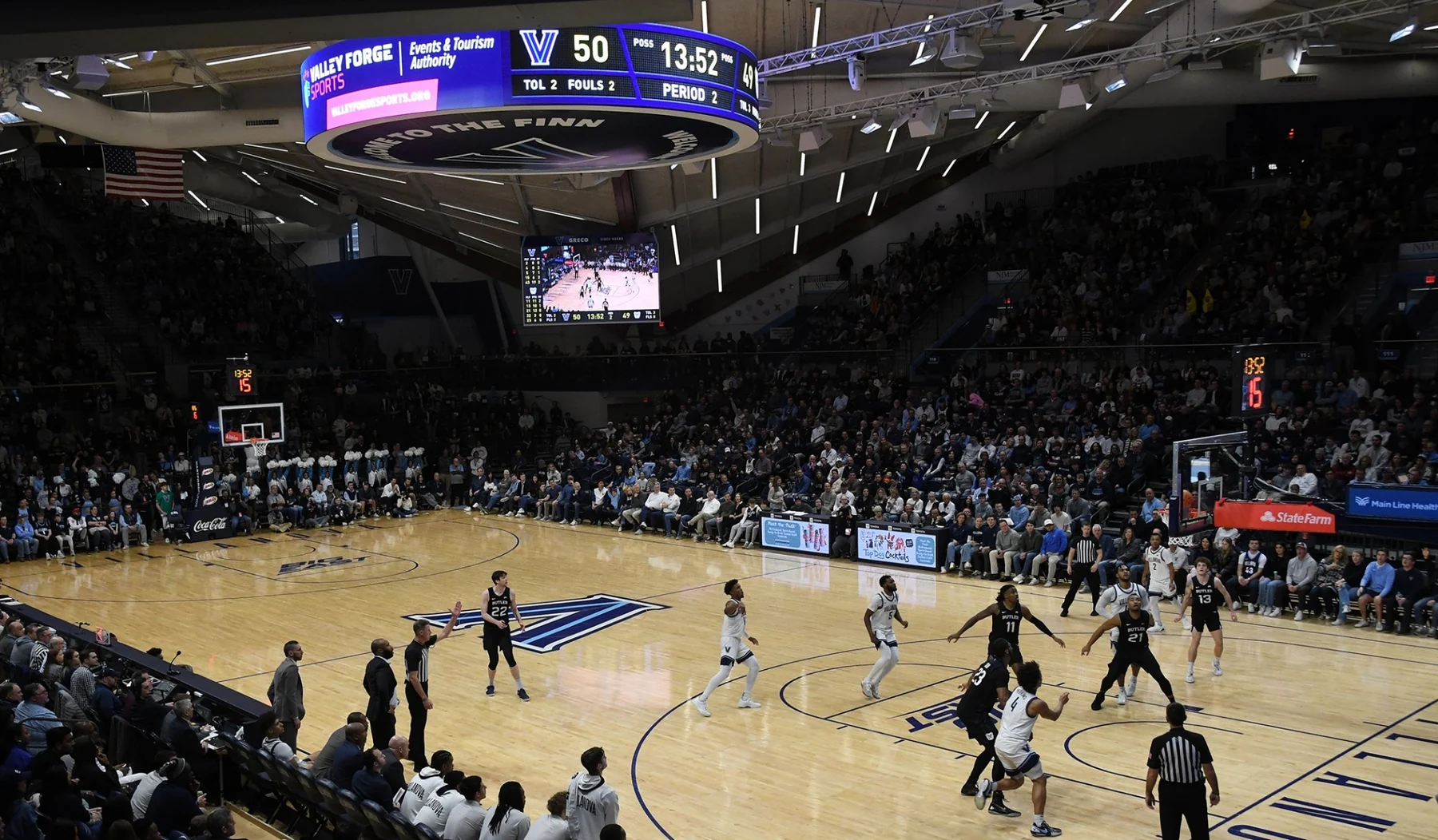
On the floor, a noisy home crowd can make communication more difficult and turn an inbound into a test of composure. A neutral setting changes that environment without removing the rivalry. When supporters argue over formats, they are often arguing over which kind of basketball day should remain available.
Do not turn scheduling tension into an unproven motive
The negotiations have competing public accounts. The Philadelphia Inquirer's October 22 postgame reporting described Kevin Willard disputing the idea that Villanova had simply opted out while criticizing the current arrangement. His comments are his account of the disagreement; they do not establish that another school alone caused the split.
Home dates, shared-event receipts and the opportunity to schedule other opponents are plausible subjects in a scheduling dispute. The important limit is attribution: a reported position, an official joint decision and a fan's accusation are different kinds of evidence. It is possible to criticize the outcome without inventing a single hidden motive or treating the harshest comment as fact.
The confirmed result remains the same across those arguments: five schools are moving ahead with the men's round robin in 2027-28 without Villanova. The debate explains why people care, while the official decision establishes what changes.
What Villanova's exit does not settle yet
The men's decision does not provide a complete answer for women's basketball. Villanova's October 28 update says the current format is ending for both programs, but it also says work on the future women's arrangement is continuing. It would therefore be inaccurate to copy the men's five-school field and present it as a confirmed women's competition.
Separate games are another open question. Leaving the organized men's championship format does not prove that Villanova will never again play Penn, Temple, Saint Joseph's, La Salle or Drexel. A future home-and-home would require its own agreement and announcement. Until then, neither an optimistic comment nor an angry reaction should be printed as a scheduled fixture.
For the five schools moving ahead, the next useful documents are their 2027-28 schedules and any detailed competition procedures. Those will answer which games are home and away, how the dates fit around other commitments and what happens if teams finish level. The joint announcement establishes the partnership's direction; it is not a substitute for those documents.
For Villanova, the eventual replacement dates will show what the program chooses to do with its calendar. An open slot is not automatically a marquee opponent, a better postseason résumé or an additional win. Evaluating the change on basketball grounds will require the actual opponents, locations and results rather than a promise that flexibility always produces improvement.
Fans planning the current season have a simpler job. Follow the 2026 pod games, verify the December 5 Classic details and keep men's and women's event information separate. Our college basketball ticket guide explains the admission checks that remain useful when comparing campus games with a multi-game arena event.
This article reflects official school and venue material checked on October 30, 2026. Future schedule announcements can add specificity without changing the central timeline: the 2026 Classic proceeds, while the five-school men's round robin begins in 2027-28. A new ticket listing or a school agreeing to one local game should be read for what it actually confirms.
The loss of Villanova from the organized men's city race is a meaningful change in Philadelphia basketball. The remaining schools are also making a concrete commitment to keep that race alive. Following both parts of the story gives a fuller picture than declaring either that nothing has changed or that every form of local rivalry has already disappeared.
Sign in with Google to join the discussion.