How This Top 50 Defines Player Value
This is a CollegeBasketballSchedule.net editorial projection, updated through August 22, 2026. It is not an AP All-America team, an ESPN ranking, an NCAA award ballot or a WNBA Draft board. We rank expected impact on winning Division I games in 2026-27.
That distinction changes the order. Professional upside rewards age, tools and long-term development. College impact can favor an older point guard who controls possessions, a center who anchors every defensive coverage or a wing whose shooting gives teammates space. Scoring matters, but high usage without efficiency, passing or defense does not automatically create top-10 value.
Core criteria
Role difficulty, proven efficiency, creation for teammates, shooting gravity, defensive versatility, rebounding, availability and performance against strong competition.
Uncertainty adjustments
New team or system, major usage change, limited college sample, recovery from injury and an unclear place in the closing lineup.
Prior-season honors are evidence, not an automatic carryover. Sarah Strong was the 2026 AP Player of the Year and a unanimous first-team All-American. Joyce Edwards, Madison Booker, Mikayla Blakes and Hannah Hidalgo also have elite production behind their projections. A freshman or transfer can pass them, but the newcomer must overcome the absence of proof in her new role.
Read close numerical placements as tiers. No. 17 is not guaranteed to outplay No. 23 in a specific matchup, and a defensive specialist can be more valuable to one roster than a creator would be. We do not predict injuries or invent return dates. Check confirmed lineups and the women’s college basketball schedule before a game. Once the season begins, actual roles and possessions should replace August assumptions quickly.
Nos. 1-10: The National Player of the Year Tier
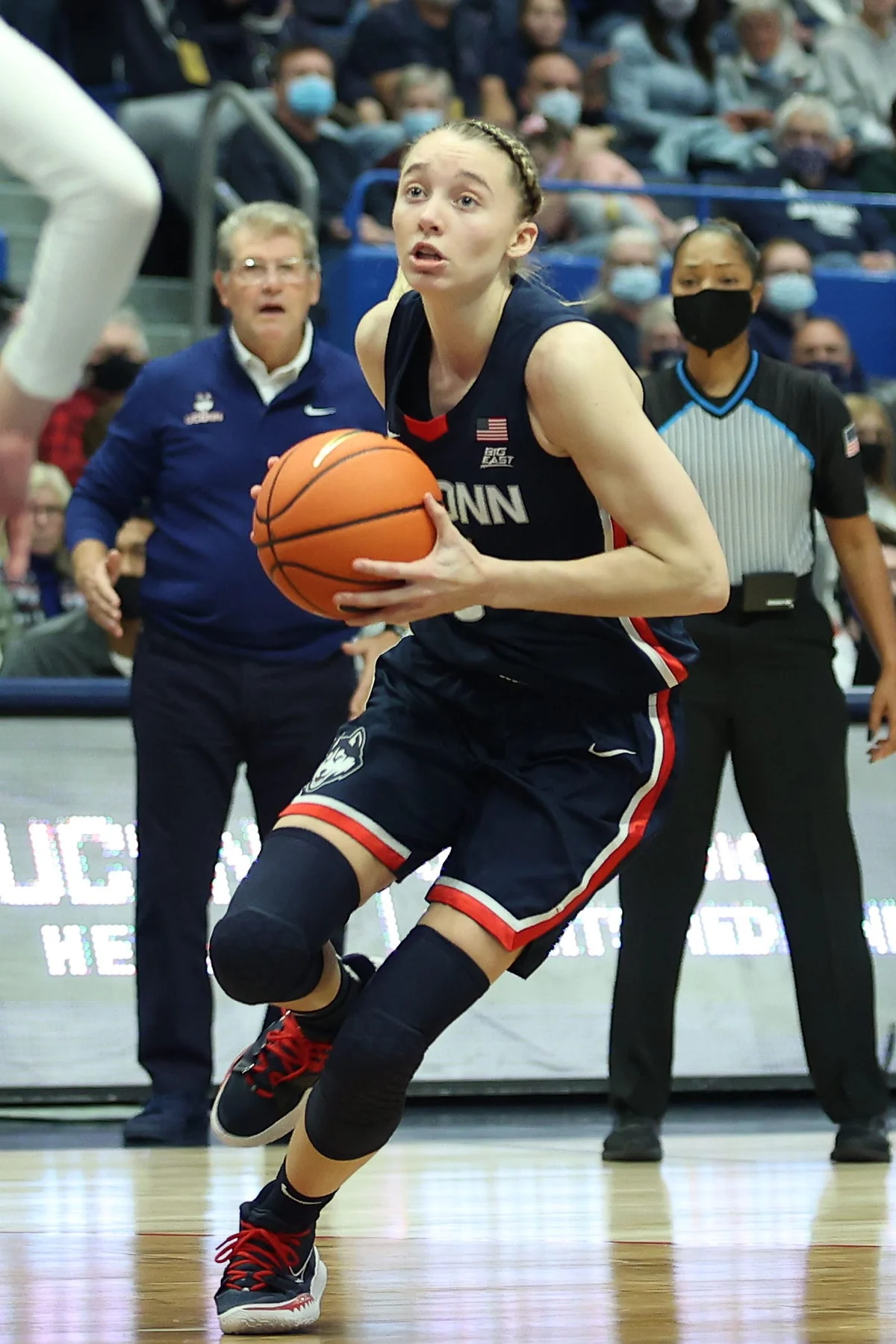
Sarah Strong begins at No. 1 because her 2025-26 season combined elite efficiency, creation and defense on a contender. Joyce Edwards is nearly level and may be the hardest interior matchup in the country. Madison Booker and Mikayla Blakes carry different forms of primary creation, while Hannah Hidalgo can control a game with both ball pressure and scoring.
- 1. Sarah Strong, UConn, F — The reigning AP Player of the Year averaged 18.5 points and 7.6 rebounds on 60.1% shooting. Her help defense and passing make her value larger than the scoring line.
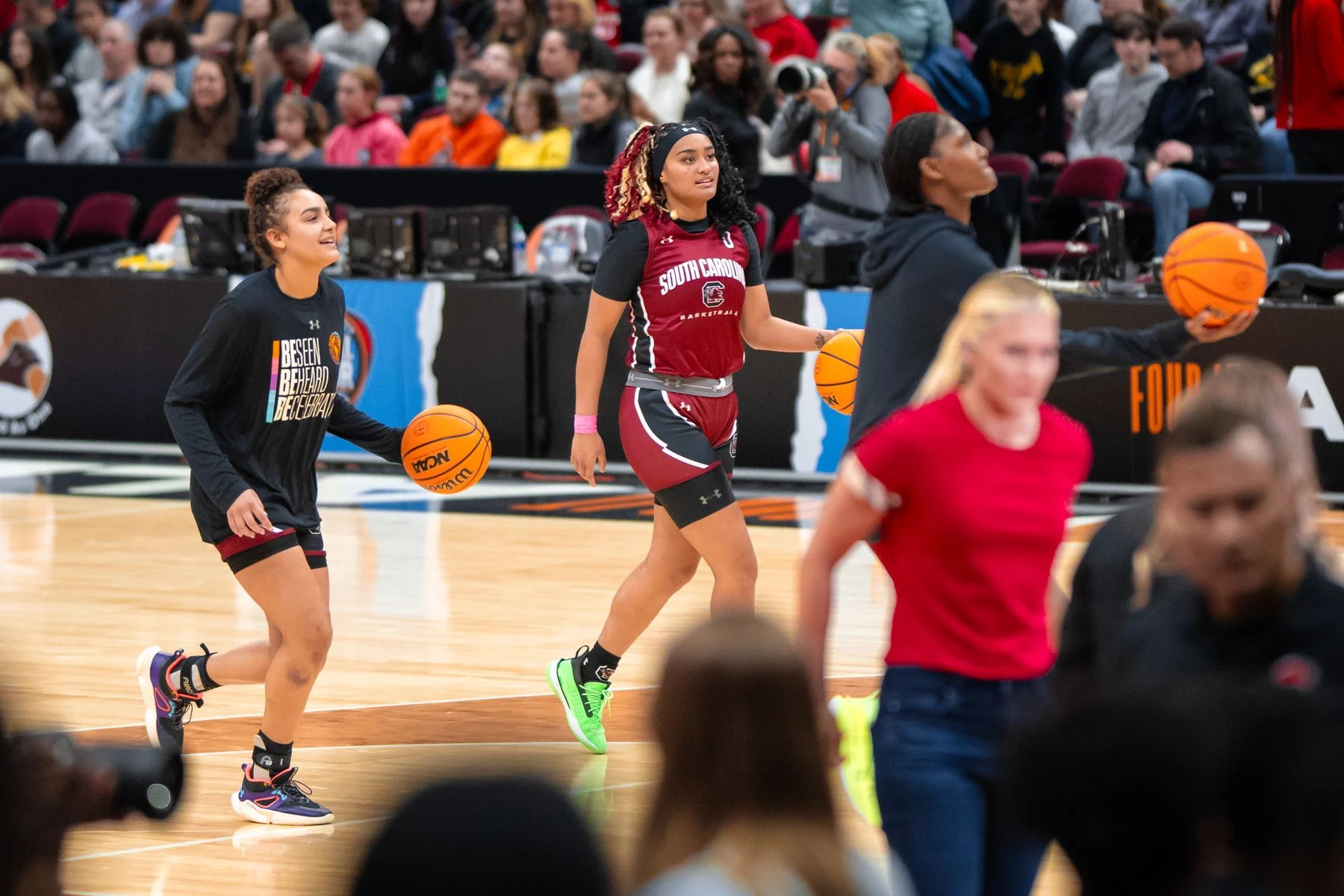
- 2. Joyce Edwards, South Carolina, F — ShotTracker recorded 19.2 points, 6.8 rebounds, 115 offensive boards and 72 blocks. She pressures both rims and fits South Carolina’s deep perimeter roster.
- 3. Madison Booker, Texas, F — Booker’s point-forward vision and three-level scoring let Texas keep size on the floor without sacrificing creation. More perimeter spacing makes her even harder to load against.
- 4. Mikayla Blakes, Vanderbilt, G — The 2026 national scoring leader produced 27 points per game with 4.4 assists. Her next challenge is maintaining that burden as defenses sell out earlier.
- 5. Hannah Hidalgo, Notre Dame, G — Relentless ball pressure and downhill creation can change a game’s pace. Shot selection against switching size is the award-race swing.
- 6. JuJu Watkins, USC, G — At full effectiveness, Watkins owns No. 1-level creation. Her placement remains conditional because this ranking will not assume recovery timing or workload before confirmed game evidence.
- 7. Audi Crooks, Oklahoma State, C — Paint scoring forces early doubles and creates kick-out opportunities. Defensive mobility and foul management decide the very top ceiling.
- 8. Jaloni Cambridge, Ohio State, G — Speed, pressure and growing playmaking give the Buckeyes a two-way engine. A more consistent pull-up punishes defenses that retreat.
- 9. Olivia Olson, Michigan, G — Size and shot creation make Olson difficult to switch. Her ability to produce efficient late-clock possessions supports another leap.
- 10. Toby Fournier, Duke, F — Athletic finishing and defensive range give Duke lineup flexibility. Expanded passing against crowded paint coverage would complete the profile.
Strong and Edwards earn the first two spots because they dominate beyond designed touches. They rebound missed shots, erase defensive mistakes and can score without stopping the offense. Blakes carries the highest proven scoring burden; Booker may be the most complete half-court organizer. Watkins has the widest range. The talent belongs in this group, while responsible preseason analysis waits for observable availability and role.
Nos. 11-25: All-America Range and Two-Way Stars
The next 15 can reach an All-America team, but their path may depend on a larger role, improved efficiency or translating production into stronger team results. Several are more valuable than their scoring average because they defend, organize or create space.
An 18-point scorer, passer and active defender; fewer turnovers unlock another level.
Elite free-throw pressure and 42.9% three-point shooting create a complete guard profile.
Big-game shooting and secondary creation give the Gamecocks a proven perimeter closer.
Size, scoring feel and a larger role create a major sophomore leap opportunity.
Tournament-tested point guard creation gives Oregon a high-leverage offensive organizer.
Interior scoring and rim protection give the Wildcats a stable two-way center.
Versatile tournament flashes suggest a much larger two-way role.
Ball pressure and downhill play make her a pace-changing guard.
Shooting gravity and movement punish help directed toward Strong.
Guard depth and defensive activity can turn second units into an advantage.
Backcourt creation beside Mikayla Blakes gives Vanderbilt another late-clock answer.
Point-of-attack defense and a projected full-time point guard role create immediate value.
Length, athleticism and two-way upside can broaden an already deep perimeter group.
Returning scoring and wing versatility give a young Illinois core a reliable foundation.
Freshman production and physical growth create a credible sophomore breakout path.
Nichols is the most portable creator in this band. Her 287 free-throw attempts show repeated rim pressure, not one hot shooting week, while her perimeter percentage prevents defenders from simply backing away. Gibb supplies a similar all-around engine with 70 threes and 65 steals. Their ranking depends on maintaining efficiency when opponents load the first layer of the scouting report.
Nos. 26-40: Breakout Creators and Frontcourt Anchors
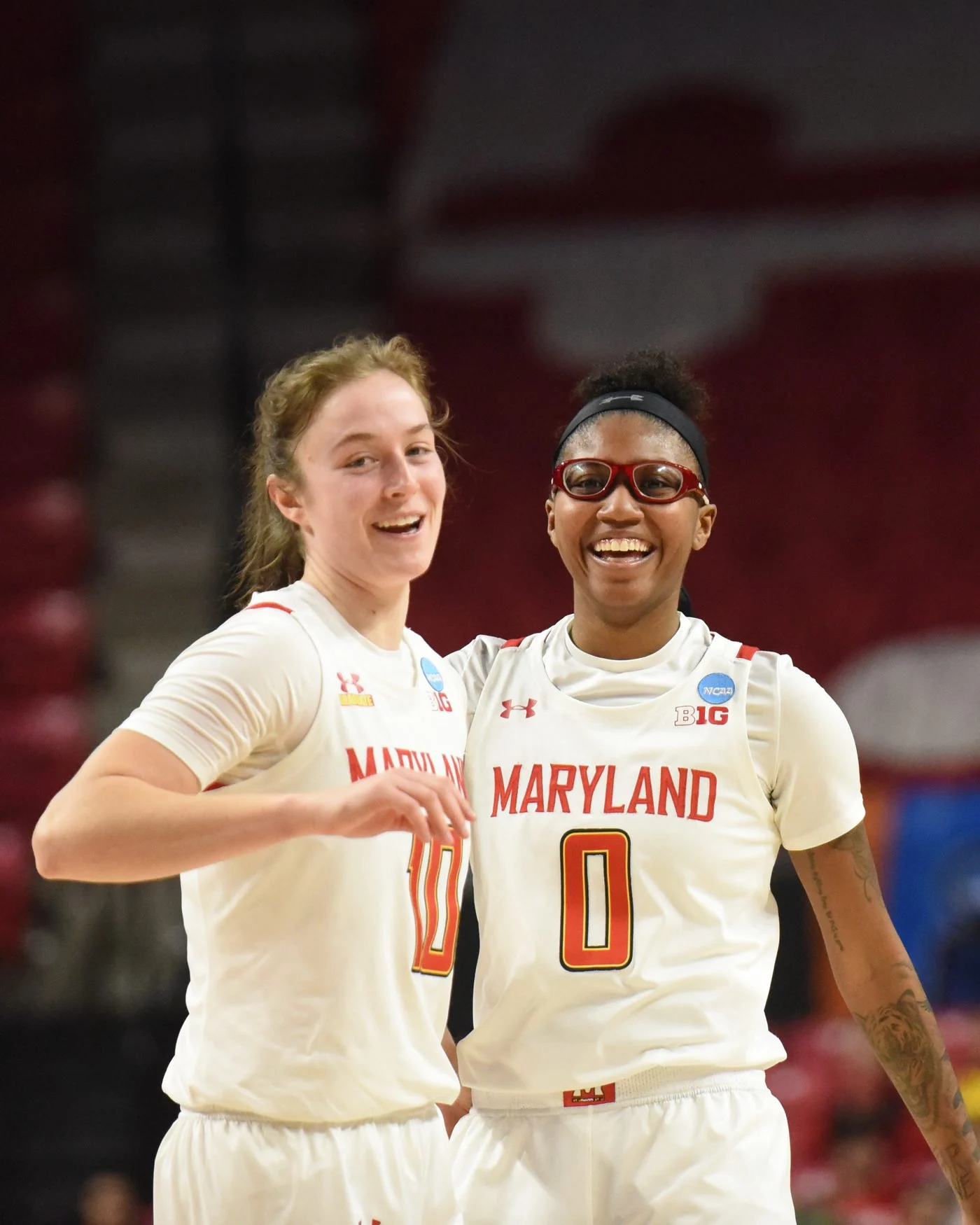
This band contains many transfers because movement creates both opportunity and uncertainty. We rank the demonstrated skill first, then discount for role change. A 20-point scorer may take fewer shots beside another star, while her efficiency and team impact can still improve.
| Rank | Player | 2026-27 impact question |
|---|---|---|
| 26 | Liv McGill, Oklahoma State | How efficiently does she share creation with Audi Crooks? |
| 27 | Stailee Heard, Oklahoma State | Can her all-around game connect a rebuilt star trio? |
| 28 | Madi Morson, Arizona State | Will MAC scoring translate without losing efficiency? |
| 29 | McKinna Brackens, Arizona State | Can she remain the frontcourt center of a deeper roster? |
| 30 | Heloisa Carrera, Arizona State | Does breakout production hold with new perimeter options? |
| 31-35 | Kennedy Smith, Doneelah Washington, Avery Mills, Kaylene Smikle, Fatmata Janneh | New roles must preserve defensive value and shooting balance. |
| 36-40 | Naomi White, Kiyomi McMiller, Achol Akot, Nyla Brooks, Cierra Toomey | Creation and frontcourt defense can lift new teams quickly. |
McGill has the strongest statistical case here: 22.5 points, 6.1 rebounds and 6.3 assists per game. Playing with Crooks changes the geometry. Defenses cannot casually switch small players onto the center, and doubles should create perimeter decisions. McGill may score less while producing more efficient team offense. Heard’s connective role could be just as important because a lineup with two high-usage stars needs defense, rebounding and quick decisions.
Smikle and Mills address a specific Tennessee need: shooting that opens Kim Caldwell’s pace. Akot brings North Carolina rebounding and rim defense rather than headline usage. That is why this is not a transfer scoring list. The players who fill a precise roster hole can create more wins than the player who simply repeats her previous shot total.
Nos. 41-50: Deep-Cut Players Worth Finding Early
The final ten are not predictions of the scoring leaders. They are players with a credible route to top-50 impact through a defined skill and meaningful opportunity. Minutes, lineup fit and defensive trust will decide how quickly they rise.
- 41. Rashunda Jones, Arizona State — All-conference defensive credentials can preserve the Sun Devils’ identity while the offense adds pieces.
- 42. Ayanna-Sarai Darrington, Arizona State — A 56.7% field-goal mark suggests efficient scoring, though high-major volume is a new test.
- 43. Ellie Brueggemann, Oklahoma State — Shooting and secondary creation can punish the doubles sent toward Crooks.
- 44. Nene N’Diaye, Oklahoma State — Forward defense and rebounding can balance a star-heavy backcourt and post.
- 45. Harissoum Coulibaly, Tennessee — A young guard with the athletic tools to thrive in a pressure-and-pace system.
- 46. Zhen Craft, Tennessee — Wing defense and transition play offer an immediate route to trusted minutes.
- 47. Jada Richard, Ole Miss — Volume guard scoring can keep the offense moving when Cooper rests.
- 48. Maya Anderson, Ole Miss — Perimeter creation matters on a roster rebuilt around new guards.
- 49. Sophie Burrows, North Carolina — Transition defense and disciplined wing play fit the Tar Heels’ existing identity.
- 50. Chloe Clardy, North Carolina — Bench scoring can become closing-lineup value if it holds without defensive compromise.
Darrington is a useful test case. Her 56.7% field-goal accuracy is real prior-season evidence, but the percentage may change against longer defenders and a different shot diet. The transferable question is whether she continues creating good attempts—rim finishes, balanced pull-ups and open threes—rather than whether she repeats the exact number.
Jones, N’Diaye, Craft and Burrows can outperform the ranking without leading their teams in points. If their defense allows coaches to keep more offense on the floor elsewhere, their value appears in lineup balance. The fastest riser from this group will be the player who turns a specialty into 28 trustworthy minutes against ranked opponents.
How to Update the Ranking During 2026-27
Begin with role, not points per game. A player can score less after transferring to a better roster while becoming more valuable through efficient shots, defense and passing. Another can increase scoring because her team has no alternative, even as turnovers and difficult attempts rise. The ranking should reward winning responsibility.
- Who closes? The final lineup reveals which player a coach trusts to handle pressure, defend, rebound and make free throws.
- Who creates the advantage? Credit the drive, post double or screen that forces rotation, not only the teammate who finishes the open shot.
- Does efficiency survive strong opponents? Early percentages against weak schedules should not outrank proven production against length and pressure.
- What happens without the ball? Shooting gravity, cuts, box-outs, help defense and communication determine whether stars can share the floor.
- Is availability confirmed? Evaluate actual minutes and movement. Do not convert vague health language into a speculative return date.
Strong’s standard is unusually complete: scoring efficiency, rebounding, passing and defensive influence. Blakes’ test is maintaining decision quality under enormous usage. McGill may need fewer shots beside Crooks, so assists, turnover control and point-of-attack defense become more important than repeating 22.5 points. Those are different paths to the same top tier.
Check official NCAA statistics, then watch the possessions against serious competition. Use the college basketball schedule today to identify the next test and the TV schedule for confirmed coverage. By January, proven closing roles should outweigh preseason reputation. By March, performance on the road, against tournament defenses and in one-possession games should decide the order.
Use a three-game review rather than reacting to one box score. In the first game, track how the defense guards the player: single coverage, early doubles, switching or help from a specific shooter. In the second, watch the counter. Does the player find the short roll, relocate after passing or create a better matchup? In the third, study whether the adjustment still works on the road or against a different coverage. That sequence distinguishes a sustainable leap from one favorable matchup.
Defensive evaluation deserves the same patience. Steals and blocks capture events, not every possession. Note whether a guard stays attached without fouling, whether a forward tags the roller and recovers to a shooter, and whether a center finishes the stop with a rebound. These repeatable actions are why a player such as Edwards can remain elite on a night when she takes fewer shots. The ranking should move when the role evidence changes, not merely when a highlight circulates.
Sign in with Google to join the discussion.