Give college basketball its own November anchors
November is the month when college basketball can disappear inside a football calendar unless you give it a deliberate place. Start with the basketball games you want to watch from beginning to end. Then add your college football team and one or two NFL priorities. A viewing plan should help you see the season take shape, not reward you for opening the largest number of live streams.
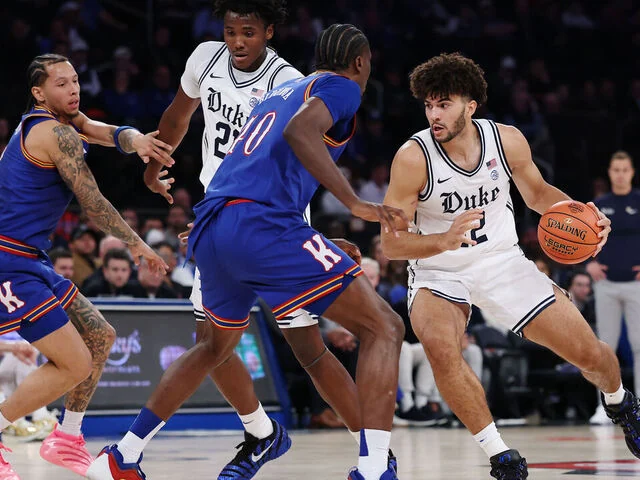
For a concrete men's basketball anchor, the 2026 Champions Classic takes place at Chicago's United Center on Tuesday, November 10. The organizer lists Michigan State–Duke at 6 p.m. Central and Kansas–Kentucky at 8:30 p.m. Central. Those become 7 p.m. and 9:30 p.m. Eastern. Check the event and broadcaster again near game day, especially for a second game sharing a court with the first.
That doubleheader illustrates why basketball deserves more than leftover time. An early neutral-site meeting lets you watch a team outside its home environment and against a specific opponent's size, pressure and shot creation. It does not settle the season, but it gives you a better starting point than a score alert. Decide whether you want both games, one complete game, or a replay of the later contest before the evening begins.
Build three categories in your calendar. The first contains your team's games that you intend to watch live. The second contains informative matchups you will watch if time allows. The third holds results and highlights you can catch up on afterward. This is a personal priority list, not a ranking of programs. A conference rival or an unfamiliar future opponent may be more useful to you than a heavily promoted national game.
Use the men's college basketball schedule to check those appointments. The examples in this guide concern men's basketball; do not copy the same event dates or broadcast assumptions into a women's schedule. If you follow both, label the competitions clearly and make a separate selection of women's games. The first useful decision is simply to recognize basketball as its own season, with its own questions, rather than a sport that waits for football to finish.
Read tournament brackets before reserving the next game
A November event name does not tell you its format. Some competitions use a bracket that changes a team's next opponent and time after each result. Others announce standalone matchups in advance. Before reserving several evenings, open the organizer's current schedule and determine which type you are following. Do not rely on last year's tournament graphic simply because the event has the same sponsor.
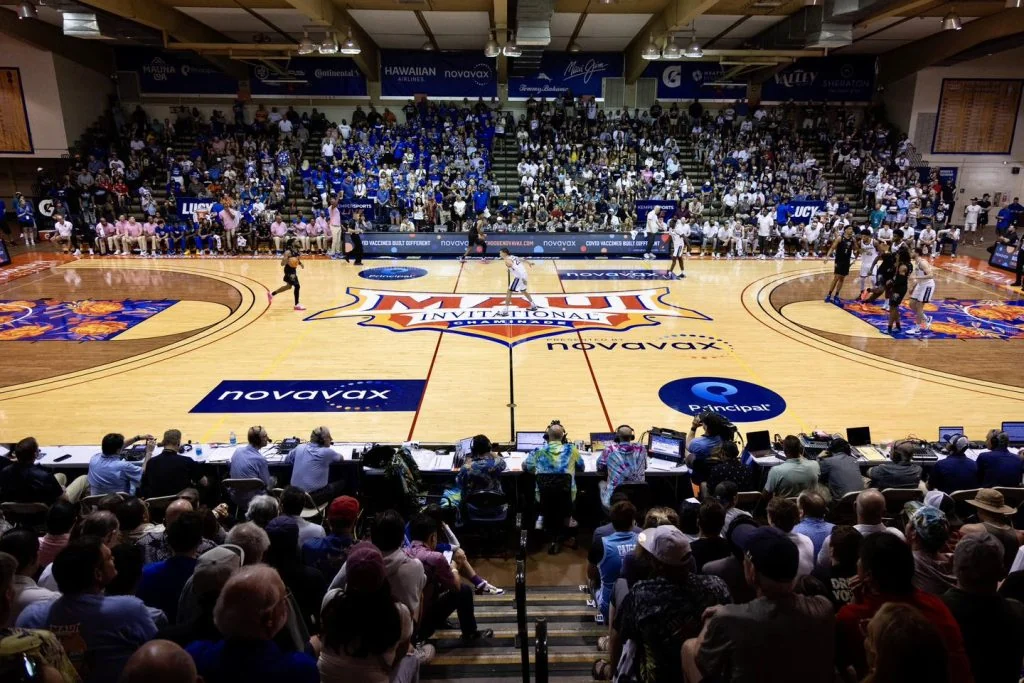
The 2026 Maui Invitational announcement from BYU places the eight-team event at Lahaina Civic Center on November 23–25. For an event with winner and loser paths, put the opening game in your calendar as confirmed and reserve the possible later windows as provisional. After the result, follow the actual branch. A fan cannot book a hoped-for championship matchup as though both teams have already advanced.
The 2026 Charleston Classic announcement provides a useful contrast: six teams play standalone games on November 20 and 22. That structure supports a different planning method because the later matchup does not need to be inferred from an elimination bracket. The lesson is to read the current format, not to assume that every early-season event works like March Madness.
Once you know the format, record the venue's timezone separately from the time shown by your television guide. A tournament in Hawaii may occupy an afternoon at the arena and an evening in another part of the country. Your calendar should display your own local appointment while preserving the original event link. That makes it easier to investigate a discrepancy without guessing which time conversion you used.
Tournament compression also changes what you watch for. A coach may use a deeper rotation, shorten a struggling lineup or ask a reserve to handle a different matchup on short preparation. Those are basketball observations, not automatic explanations for a loss. Watch the possessions and check the opponent before attributing poor shooting to travel or fatigue. The weekly college basketball schedule can help place the games in sequence, but the bracket and team announcement settle the next appointment. Update it immediately after the game rather than waiting until the following tipoff.
Judge early basketball with enough possessions and context
The best reason to protect a full November game is that early results can be misleading without the possessions behind them. A large winning margin against an overmatched opponent does not tell you the same thing as a competitive game on a neutral court. Likewise, one cold shooting night does not establish that a team cannot shoot. Keep your first conclusions provisional while you learn the new rotation and the quality of the opponents.
The NCAA's NET explanation makes opponent strength and game location part of the context for efficiency. In plain terms, scoring per possession measures how effectively a team uses its opportunities, while a raw points total also reflects how many opportunities the game produced. You do not need to calculate a model during dinner, but you should avoid treating a fast, high-scoring game as automatic proof of better offense.
Choose two or three questions for a game such as Michigan State–Duke. Can the primary ball handler initiate the offense under pressure? Does the defense finish a good possession by securing the rebound? What happens when the first substitution group enters? These are viewing prompts, not predictions about either team's 2026 personnel. Watching the same question across several stretches is more informative than reacting to every made three-pointer.
Separate what you observed from why you think it happened. If a team turned the ball over repeatedly against pressure, that is visible. Calling the problem fatigue, poor chemistry or a permanent weakness requires more evidence. A short tournament turnaround may be relevant, but it does not prove the explanation. Write a brief note and look for the same issue against the next opponent instead of turning one November night into a season verdict.
This also keeps tournament-selection talk in proportion. The NCAA selection overview describes a broader evaluation of a team's body of work. A useful early win can become part of that record; it does not reserve a March seed by itself. For a viewer juggling three sports, the practical choice is to watch fewer basketball games carefully. One coherent look at a team's offense and defensive coverage can teach you more than five box scores collected while the main screen stays on football.
Fit college football around confirmed basketball windows
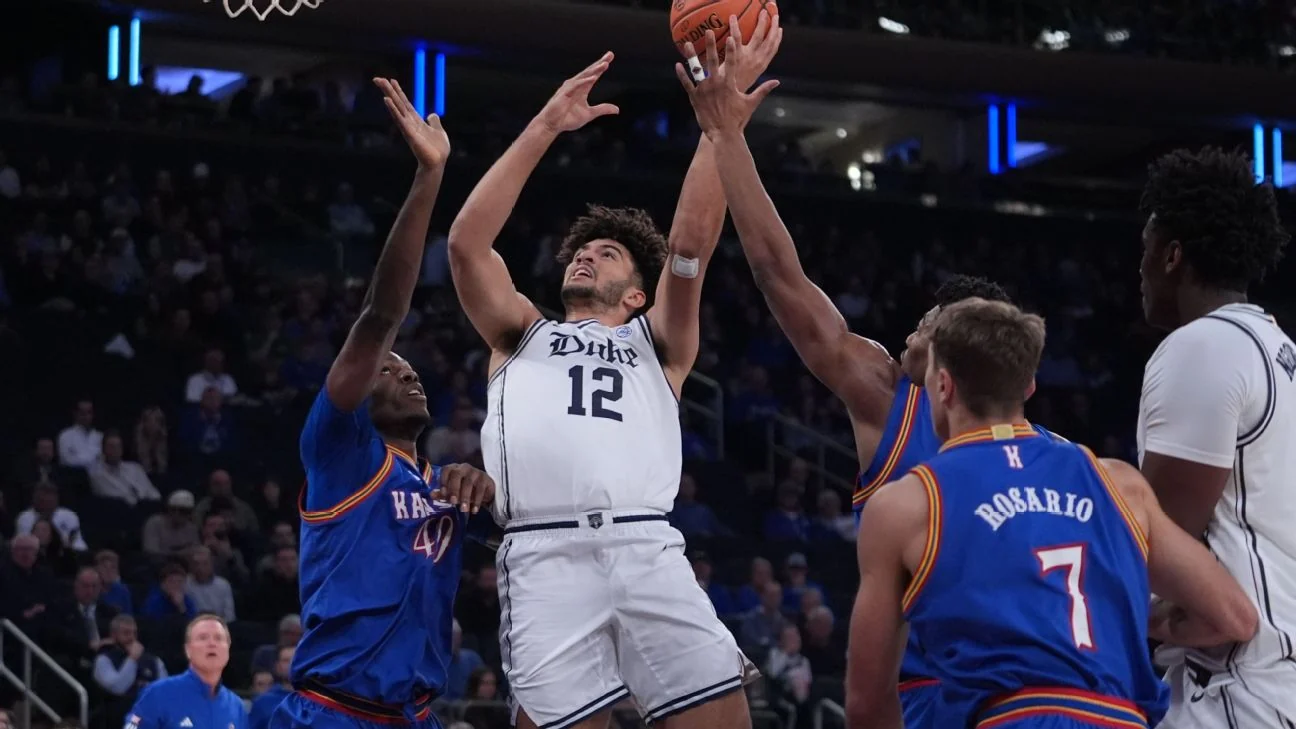
College football adds a different kind of uncertainty: a game may have a known date before its kickoff time is settled. For example, the Big 12's 2026 television announcement says later selections are announced on twelve-day or six-day notice. That is a conference-specific example, not a promise that every football game follows the same procedure. When a listing says TBD, leave it that way.
Do not move a confirmed basketball commitment around a football time you merely expect. Reserve the football date provisionally, then compare the actual kickoff once announced. If the games overlap, decide which one gets the complete live watch and which gets a replay or highlights. Making the choice early is less frustrating than switching repeatedly and missing both a basketball run and a football scoring drive.
The familiar Saturday-football, Sunday-NFL shorthand is also incomplete. The Big 12 has announced weekday football selections, so a November weeknight is not automatically clear for basketball. Look at actual dates rather than assigning each sport to a day of the week. The Champions Classic's Tuesday placement is useful to know, but it should still be compared with your own team's schedule and other commitments.
For an at-home plan, allow a transition rather than promising an exact handoff. The final minutes of a close basketball game can include free throws, timeouts and reviews. A football game can also continue beyond the slot you imagined. Use the college basketball TV listings to prepare the next stream before the current event ends, but let the primary game finish if that was your agreement.
Attending a campus game adds another layer. Parking, walking, entry and the journey home are part of the commitment. Two start times that appear compatible on a spreadsheet may not produce a realistic in-person doubleheader. Verify the specific venues and transport before buying tickets; do not assume a football stadium and basketball arena share an entrance or a short walk. If the aim is to enjoy your university's November sports, one live event followed by a relaxed replay can be a better choice than rushing between two venues and seeing neither properly.
Add NFL games without losing your basketball priorities
Once the basketball anchors are in place, add the NFL games you actually intend to watch. A team-specific list is usually more manageable than importing an entire league. The point is to expose real conflicts with your college basketball plans, not to fill every empty hour with another notification. Keep family commitments, travel and work in the same view so the calendar reflects the day you will really have.
Our college basketball calendar handles the basketball side. For football, the NFL schedule calendar and team subscriptions provide a useful companion. NFL-Schedule.com belongs to the same project as this site. We recommend it for comparing the football appointments with your basketball choices; it does not supply live video or replace the broadcaster's access rules.
Use a different calendar color for each sport and add a short viewing label: live, record, replay or optional. For example, the Champions Classic can remain a protected basketball evening while a later NFL game is simply an option. During Thanksgiving week, a tournament's possible next-round game should retain its provisional label until the preceding result settles the bracket. A calendar full of equally urgent alerts hides the distinction you need most.
Understand how you added the events. A downloaded ICS file creates a copy of the information available at that moment. A subscription lets the calendar application request later changes, but refresh timing depends on the application. Google's import guidance explains that imported events do not stay synchronized. If you manually copy a time, schedule your own recheck. If you subscribe, inspect the updated event before watching rather than assuming every change appears instantly.
Set reminders for preparation, not just the opening tip. You may need time to sign in, switch devices or return from another activity. Keep a note of which service carries the game and whether you have verified access. Also leave the end of the calendar block flexible: a display that allocates a fixed duration is a planning aid, not a ruling on when overtime will finish. This small amount of organization makes it easier to enjoy football around basketball without repeatedly losing the start or finish of the college game you meant to prioritize.
Verify the screen, timezone and final game-day details
A workable November plan ends with a few checks that a sports calendar cannot perform for you. Start with the exact game, date and network. ESPN Events' 2026–27 event schedule lists the Champions Classic on ESPN at 7 p.m. and 9:30 p.m. Eastern. That establishes the advertised slots. It does not establish that your particular account, country or television package can open the stream.
Test the service on the device you will use before the game begins. A successful login on a phone does not necessarily mean the television application is already signed in. Provider credentials and a direct streaming account can be separate. ESPN's sign-in instructions explain those account distinctions; follow the instructions for your own access arrangement rather than assuming that any ESPN-branded subscription includes every event. If you changed providers, check that the application is no longer using the old account.
Check the timezone displayed beside the time, especially when comparing a Chicago event, a tournament in Hawaii and a football listing viewed from another country. Keep one reference zone in your written plan and convert it for the place where you will actually watch. Let a timezone-aware calendar handle date changes, then compare its result against the event page. A late game in the United States can belong to the following morning elsewhere; copying only the hour loses that distinction.
Prepare for the basketball broadcast to unfold rather than treating the schedule as a stopwatch. The second game of a doubleheader may not begin at the advertised instant if the opener runs long. Check the broadcaster's current instructions if coverage moves or an earlier program overruns. Avoid assuming that a blank stream means the game has been cancelled. The organizer's listing, team updates and broadcaster notices answer different parts of that problem.
Finally, make the fallback specific. If you cannot watch live, verify whether a full replay will exist and when it becomes available. If the alternative is highlights, accept that you will lose some of the possession-by-possession context you wanted from an early-season basketball game. Recheck the plan on game day, agree on the primary screen, and keep the next appointment realistic. The reward is a November schedule built around games you can follow properly, with college football and the NFL fitting around clear basketball priorities.
Sign in with Google to join the discussion.