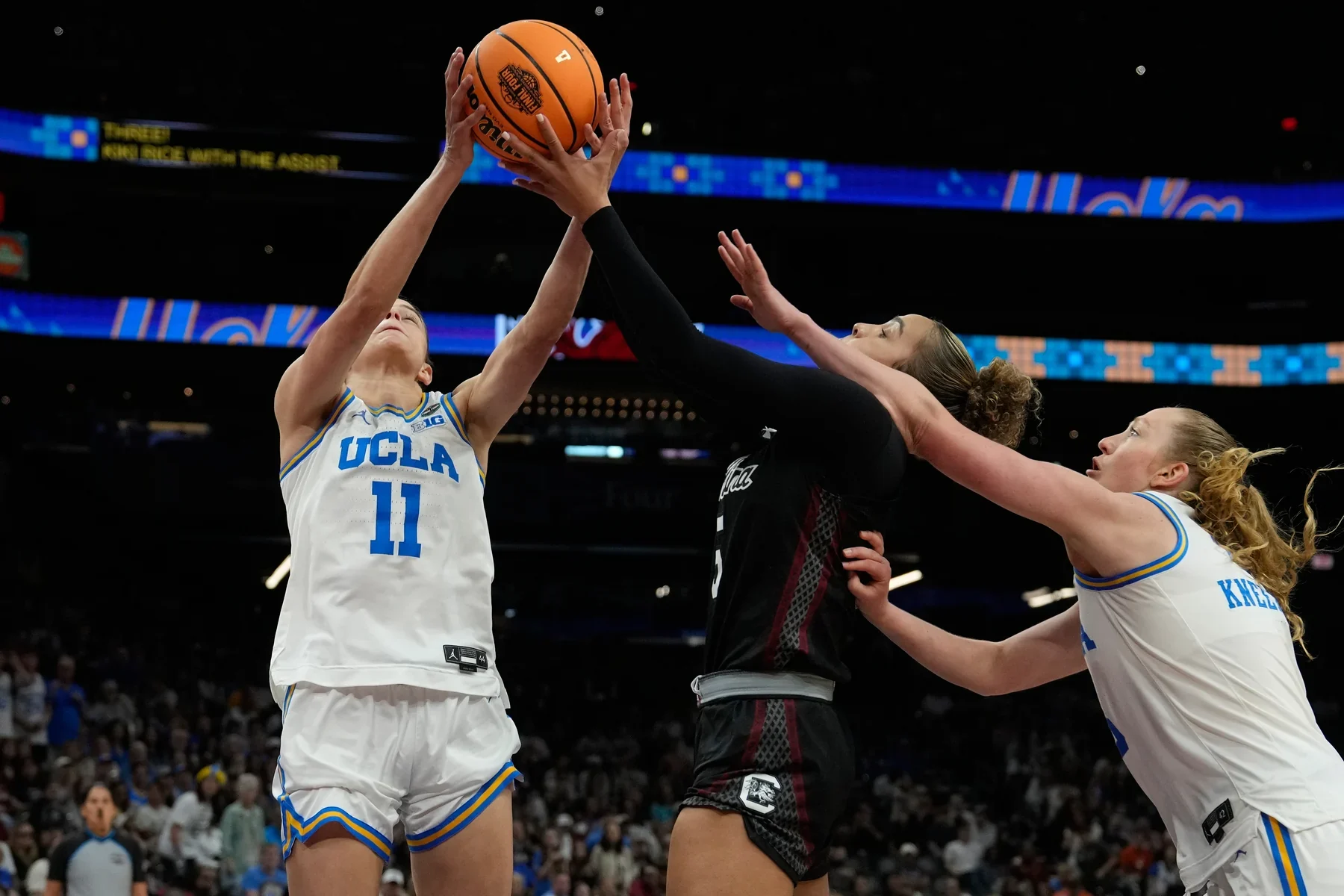
How many Division I women's basketball teams are there in 2026-27?
This 2026-27 directory contains 364 active women's basketball programs across 32 conference scheduling groups. The count comes from CollegeBasketballSchedule.net's effective-membership snapshot checked August 30, 2026, then reviewed against NCAA membership context and official realignment announcements.
364
Women's programs
32
2026-27 groups
31
2026 auto-bid leagues
Those final two numbers answer different questions. The NCAA listed 31 conferences with automatic qualification for the completed 2026 championship. The 2026-27 scheduling snapshot has 32 groups after the Pac-12 relaunched and the Western Athletic Conference became the United Athletic Conference. A regular-season conference list does not by itself promise a separate automatic bid; the NCAA determines championship access and transition eligibility.
The table also uses team identities, not only institutions. Some athletics departments use a women's-specific nickname—such as Lady Volunteers or Cowgirls—while others share the university's general nickname. Names are preserved in the form used by the site's team dataset so readers can match schedule pages and broadcasts.
Conference affiliation matters beyond filing. It sets the bulk of a team's winter opponents, affects travel and rest patterns, and determines the league-tournament route toward an automatic NCAA bid. An 18-team power league and an eight-team regional league create very different repeat-opponent and standings structures, even though both ultimately send a tournament champion into the national selection process when eligible.
Use the women's college basketball schedule for current game dates. Use the directory below to answer the structural question: where each program sits for the 2026-27 season.
Teams in America East through the Big South
This first block contains 109 programs in nine leagues. Teams are alphabetical inside each conference. Counts describe the 2026-27 scheduling membership, not how many teams will qualify for March Madness.
America East Conference (9)
Binghamton Bearcats, Bryant Bulldogs, Maine Black Bears, New Hampshire Wildcats, NJIT Highlanders, UAlbany Great Danes, UMass Lowell River Hawks, UMBC Retrievers, Vermont Catamounts.
American Conference (13)
Charlotte 49ers, East Carolina Pirates, Florida Atlantic Owls, Memphis Tigers, North Texas Mean Green, Rice Owls, South Florida Bulls, Temple Owls, Tulane Green Wave, Tulsa Golden Hurricane, UAB Blazers, UTSA Roadrunners, Wichita State Shockers.
Atlantic 10 Conference (14)
Davidson Wildcats, Dayton Flyers, Duquesne Dukes, Fordham Rams, George Mason Patriots, George Washington Revolutionaries, La Salle Explorers, Loyola Chicago Ramblers, Rhode Island Rams, Richmond Spiders, Saint Joseph's Hawks, Saint Louis Billikens, St. Bonaventure Bonnies, VCU Rams.
Atlantic Coast Conference (18)
Boston College Eagles, California Golden Bears, Clemson Tigers, Duke Blue Devils, Florida State Seminoles, Georgia Tech Yellow Jackets, Louisville Cardinals, Miami Hurricanes, NC State Wolfpack, North Carolina Tar Heels, Notre Dame Fighting Irish, Pittsburgh Panthers, SMU Mustangs, Stanford Cardinal, Syracuse Orange, Virginia Cavaliers, Virginia Tech Hokies, Wake Forest Demon Deacons.
Atlantic Sun Conference (8)
Bellarmine Knights, Florida Gulf Coast Eagles, Jacksonville Dolphins, Lipscomb Bisons, North Florida Ospreys, Queens University Royals, Stetson Hatters, West Florida Argos.
Big 12 Conference (16)
Arizona State Sun Devils, Arizona Wildcats, Baylor Bears, BYU Cougars, Cincinnati Bearcats, Colorado Buffaloes, Houston Cougars, Iowa State Cyclones, Kansas Jayhawks, Kansas State Wildcats, Oklahoma State Cowgirls, TCU Horned Frogs, Texas Tech Lady Raiders, UCF Knights, Utah Utes, West Virginia Mountaineers.
Big East Conference (11)
Butler Bulldogs, Creighton Bluejays, DePaul Blue Demons, Georgetown Hoyas, Marquette Golden Eagles, Providence Friars, Seton Hall Pirates, St. John's Red Storm, UConn Huskies, Villanova Wildcats, Xavier Musketeers.
Big Sky Conference (11)
Eastern Washington Eagles, Idaho State Bengals, Idaho Vandals, Montana Lady Griz, Montana State Bobcats, Northern Arizona Lumberjacks, Northern Colorado Bears, Portland State Vikings, Southern Utah Thunderbirds, Utah Tech Trailblazers, Weber State Wildcats.
Big South Conference (9)
Charleston Southern Buccaneers, Gardner-Webb Runnin' Bulldogs, High Point Panthers, Longwood Lancers, Presbyterian Blue Hose, Radford Highlanders, South Carolina Upstate Spartans, UNC Asheville Bulldogs, Winthrop Eagles.
The scale difference is visible immediately. An ACC team navigates an 18-program league spread from California to the East Coast, while America East and Big South teams operate in nine-team groups with tighter regional identities. Those structures affect opponent frequency and travel burden; they do not predetermine NCAA tournament strength.
Teams in the Big Ten through the Horizon League
These five conferences account for 64 women's programs. The Big Ten's 18-team footprint contrasts with 10-team Conference USA, but both organize league standings and a conference-tournament route.
Big Ten Conference (18)
Illinois Fighting Illini, Indiana Hoosiers, Iowa Hawkeyes, Maryland Terrapins, Michigan State Spartans, Michigan Wolverines, Minnesota Golden Gophers, Nebraska Cornhuskers, Northwestern Wildcats, Ohio State Buckeyes, Oregon Ducks, Penn State Lady Lions, Purdue Boilermakers, Rutgers Scarlet Knights, UCLA Bruins, USC Trojans, Washington Huskies, Wisconsin Badgers.
Big West Conference (12)
Cal Poly Mustangs, Cal State Bakersfield Roadrunners, Cal State Fullerton Titans, Cal State Northridge Matadors, California Baptist Lancers, Long Beach State Beach, Sacramento State Hornets, UC Irvine Anteaters, UC Riverside Highlanders, UC San Diego Tritons, UC Santa Barbara Gauchos, Utah Valley Wolverines.
Coastal Athletic Association (13)
Campbell Fighting Camels, Charleston Cougars, Drexel Dragons, Elon Phoenix, Hampton Lady Pirates, Hofstra Pride, Monmouth Hawks, North Carolina A&T Aggies, Northeastern Huskies, Stony Brook Seawolves, Towson Tigers, UNC Wilmington Seahawks, William & Mary Tribe.
Conference USA (10)
Delaware Blue Hens, Florida International Panthers, Jacksonville State Gamecocks, Kennesaw State Owls, Liberty Flames, Middle Tennessee Blue Raiders, Missouri State Lady Bears, New Mexico State Aggies, Sam Houston Bearkats, Western Kentucky Lady Toppers.
Horizon League (11)
Cleveland State Vikings, Detroit Mercy Titans, Green Bay Phoenix, IU Indianapolis Jaguars, Milwaukee Panthers, Northern Kentucky Norse, Oakland Golden Grizzlies, Purdue Fort Wayne Mastodons, Robert Morris Colonials, Wright State Raiders, Youngstown State Penguins.
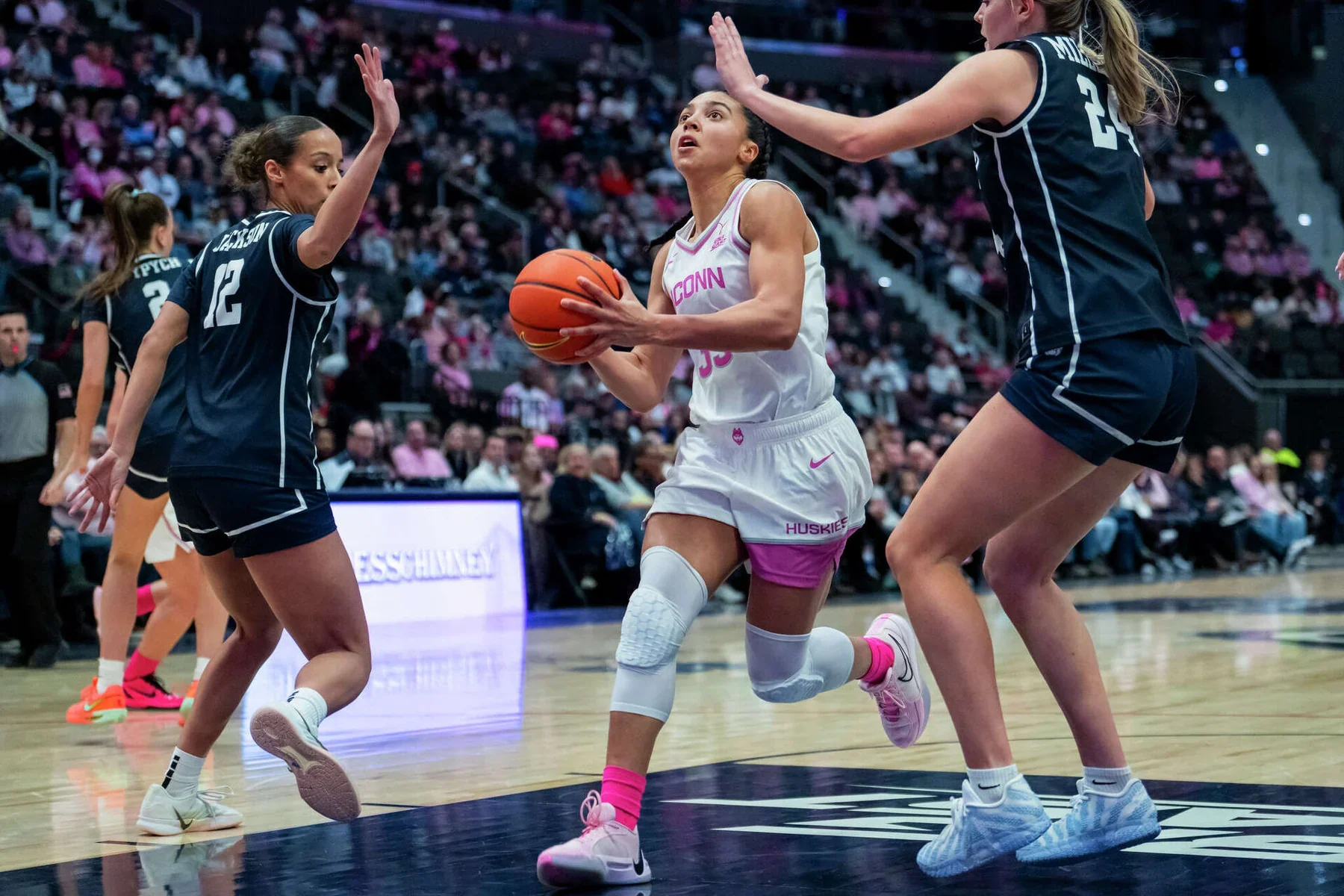
For schedule analysis, count alone is not enough. Big Ten teams may not play every league opponent twice, so two records can come from different opponent rotations and travel loads. Horizon teams operate in a more geographically concentrated footprint and can build deeper scouting familiarity through repeated matchups. Standings provide the outcome; the schedule behind them explains part of the difficulty.
Teams in the Ivy League through the Mountain West
Six conferences and 63 programs form this block. The Metro Atlantic Athletic Conference is written out rather than reduced to “Metro,” and the Mountain West reflects its 2026-27 membership after western realignment.
Ivy League (8)
Brown Bears, Columbia Lions, Cornell Big Red, Dartmouth Big Green, Harvard Crimson, Pennsylvania Quakers, Princeton Tigers, Yale Bulldogs.
Metro Atlantic Athletic Conference (13)
Canisius Golden Griffins, Fairfield Stags, Iona Gaels, Manhattan Jaspers, Marist Red Foxes, Merrimack Warriors, Mount St. Mary's Mountaineers, Niagara Purple Eagles, Quinnipiac Bobcats, Rider Broncs, Sacred Heart Pioneers, Saint Peter's Peacocks, Siena Saints.
Mid-American Conference (13)
Akron Zips, Ball State Cardinals, Bowling Green Falcons, Buffalo Bulls, Central Michigan Chippewas, Eastern Michigan Eagles, Kent State Golden Flashes, Massachusetts Minutewomen, Miami (OH) RedHawks, Northern Illinois Huskies, Ohio Bobcats, Toledo Rockets, Western Michigan Broncos.
Mid-Eastern Athletic Conference (8)
Coppin State Eagles, Delaware State Hornets, Howard Bison, Maryland Eastern Shore Hawks, Morgan State Lady Bears, Norfolk State Spartans, North Carolina Central Eagles, South Carolina State Lady Bulldogs.
Missouri Valley Conference (11)
Belmont Bruins, Bradley Braves, Drake Bulldogs, Evansville Purple Aces, Illinois State Redbirds, Indiana State Sycamores, Murray State Racers, Northern Iowa Panthers, Southern Illinois Salukis, UIC Flames, Valparaiso Beacons.
Mountain West Conference (10)
Air Force Falcons, Grand Canyon Lopes, Hawai'i Rainbow Warriors, Nevada Wolf Pack, New Mexico Lobos, San José State Spartans, UC Davis Aggies, UNLV Lady Rebels, UTEP Miners, Wyoming Cowgirls.
These labels are especially useful when reading nonconference schedules. “Miami” can mean different programs, so Miami (OH) identifies the MAC team. Similar clarity matters for institutional and team nicknames: Pennsylvania is the Ivy member often branded Penn, while UIC is the University of Illinois Chicago. The directory favors searchable team identities without pretending every broadcaster uses identical shorthand.
Realignment also changes competitive comparisons. A Mountain West record in 2026-27 comes from a different opponent pool than one in 2025-26. Historical standings remain valid for their seasons, but they should not be pasted onto a current membership map.
Teams in the Northeast Conference through the SEC
This 55-team block includes the relaunched Pac-12, the most obvious 2026-27 break from older standings pages. Its nine full members now share a women's basketball conference schedule.
Northeast Conference (10)
Central Connecticut Blue Devils, Chicago State Cougars, Fairleigh Dickinson Knights, Le Moyne Dolphins, Long Island University Sharks, Mercyhurst Lakers, New Haven Chargers, Saint Francis Red Wolves, Stonehill Skyhawks, Wagner Seahawks.
Ohio Valley Conference (10)
Eastern Illinois Panthers, Lindenwood Lions, Morehead State Eagles, SIU Edwardsville Cougars, Southeast Missouri State Redhawks, Southern Indiana Screaming Eagles, Tennessee State Lady Tigers, Tennessee Tech Golden Eagles, UT Martin Skyhawks, Western Illinois Leathernecks.
Pac-12 Conference (9)
Boise State Broncos, Colorado State Rams, Fresno State Bulldogs, Gonzaga Bulldogs, Oregon State Beavers, San Diego State Aztecs, Texas State Bobcats, Utah State Aggies, Washington State Cougars.
Patriot League (10)
American University Eagles, Army Black Knights, Boston University Terriers, Bucknell Bison, Colgate Raiders, Holy Cross Crusaders, Lafayette Leopards, Lehigh Mountain Hawks, Loyola Maryland Greyhounds, Navy Midshipmen.
Southeastern Conference (16)
Alabama Crimson Tide, Arkansas Razorbacks, Auburn Tigers, Florida Gators, Georgia Lady Bulldogs, Kentucky Wildcats, LSU Tigers, Mississippi State Bulldogs, Missouri Tigers, Oklahoma Sooners, Ole Miss Rebels, South Carolina Gamecocks, Tennessee Lady Volunteers, Texas A&M Aggies, Texas Longhorns, Vanderbilt Commodores.
The Pac-12 list should not be confused with either its pre-2024 composition or the two-school arrangement immediately before relaunch. Seven incoming members joined Oregon State and Washington State for 2026-27. In basketball terms, that creates new home-and-away travel demands and a league-tournament race without an established multi-season form line.
Transitioning membership deserves separate attention. A team can appear in a conference schedule while facing NCAA postseason restrictions during reclassification. This list answers who plays in which 2026-27 group; it does not override NCAA eligibility decisions.
Teams in the Southern Conference through the West Coast Conference
The final directory block contains 73 teams in seven conferences. The United Athletic Conference name is new for 2026-27 after the WAC rebrand; it is not a duplicate listing of the old WAC.
Southern Conference (8)
Chattanooga Mocs, East Tennessee State Bucs, Furman Paladins, Mercer Bears, Samford Bulldogs, UNC Greensboro Spartans, Western Carolina Catamounts, Wofford Terriers.
Southland Conference (12)
East Texas A&M Lions, Houston Christian Huskies, Incarnate Word Cardinals, Lamar Cardinals, LSU New Orleans Privateers, McNeese Cowgirls, Nicholls Colonels, Northwestern State Lady Demons, SE Louisiana Lady Lions, Stephen F. Austin Ladyjacks, Texas A&M-Corpus Christi Islanders, UT Rio Grande Valley Vaqueros.
Southwestern Athletic Conference (12)
Alabama A&M Bulldogs, Alabama State Lady Hornets, Alcorn State Lady Braves, Arkansas-Pine Bluff Golden Lions, Bethune-Cookman Wildcats, Florida A&M Rattlers, Grambling Lady Tigers, Jackson State Lady Tigers, Mississippi Valley State Devilettes, Prairie View A&M Lady Panthers, Southern Jaguars, Texas Southern Tigers.
Summit League (8)
Kansas City Roos, North Dakota Fighting Hawks, North Dakota State Bison, Omaha Mavericks, Oral Roberts Golden Eagles, South Dakota Coyotes, South Dakota State Jackrabbits, St. Thomas Tommies.
Sun Belt Conference (14)
App State Mountaineers, Arkansas State Red Wolves, Coastal Carolina Chanticleers, Georgia Southern Eagles, Georgia State Panthers, James Madison Dukes, Louisiana Ragin' Cajuns, Louisiana Tech Lady Techsters, Marshall Thundering Herd, Old Dominion Monarchs, South Alabama Jaguars, Southern Miss Lady Eagles, Troy Trojans, UL Monroe Warhawks.
United Athletic Conference (9)
Abilene Christian Wildcats, Austin Peay Governors, Central Arkansas Bears, Eastern Kentucky Colonels, Little Rock Trojans, North Alabama Lions, Tarleton State Texans, UT Arlington Mavericks, West Georgia Wolves.
West Coast Conference (10)
Denver Pioneers, Loyola Marymount Lions, Pacific Tigers, Pepperdine Waves, Portland Pilots, Saint Mary's Gaels, San Diego Toreros, San Francisco Dons, Santa Clara Broncos, Seattle U Redhawks.
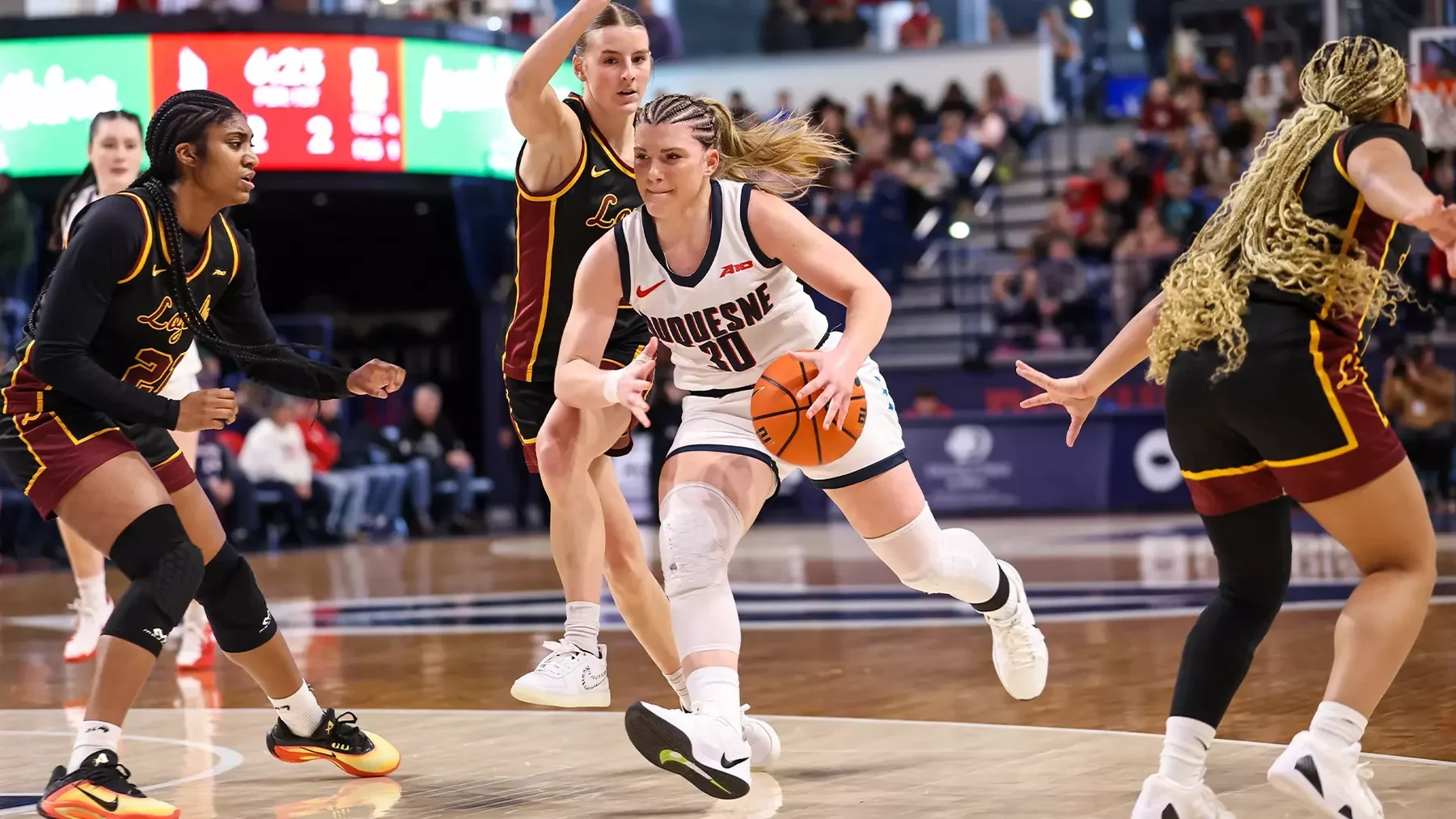
The UAC illustrates why season labels are essential. A 2025-26 source can correctly call several of these programs ASUN or WAC members, while the 2026-27 schedule correctly places them together under the UAC name. Neither source should be applied outside its season.
How to use this list during conference realignment
Treat this directory as a 2026-27 membership snapshot, not a permanent encyclopedia entry. Conference realignment changes the opponent pool, and Division I reclassification can create a period when a program appears on schedules but has different NCAA championship eligibility.
1. Match the season
Use 2026-27 affiliations for 2026-27 schedules. Do not infer the new Pac-12 or UAC from a 2025-26 standings table, and do not rewrite older records under a future league.
2. Separate schedule membership from eligibility
A conference can schedule a transitioning program even when NCAA postseason access has conditions. Check the NCAA and conference before calling every team eligible for an automatic bid.
3. Verify the actual game
Conference labels do not tell you tip time, venue or broadcast. Use a current matchup page close to game day, especially after flex scheduling or venue changes.
This discipline improves basketball analysis. Schedule strength depends on who a team actually faced, where it played and how frequently opponents repeated. Moving a program into a new league changes travel distance, rest patterns and the set of scouting rematches. A record carried into a new conference is history, not proof of how the same team will perform against a different weekly style mix.
Conference tournaments add another layer. Bracket size, byes, campus hosting and neutral-site format can vary, so a 14-team league's route is not interchangeable with an eight-team league's path. Membership tells you which tournament to research; it does not tell you the seed or the number of wins required.
Before relying on a name near postseason, confirm the latest NCAA automatic-qualification and eligibility information. The completed 2026 championship had 31 automatic-bid conferences, while this current dataset has 32 scheduling groups after structural changes. That difference is a reason to verify, not an invitation to guess which league receives what in 2027.
Finally, check the college basketball schedule today for the live matchup. This directory answers “who belongs where”; the schedule answers “who plays now.”
Sign in with Google to join the discussion.