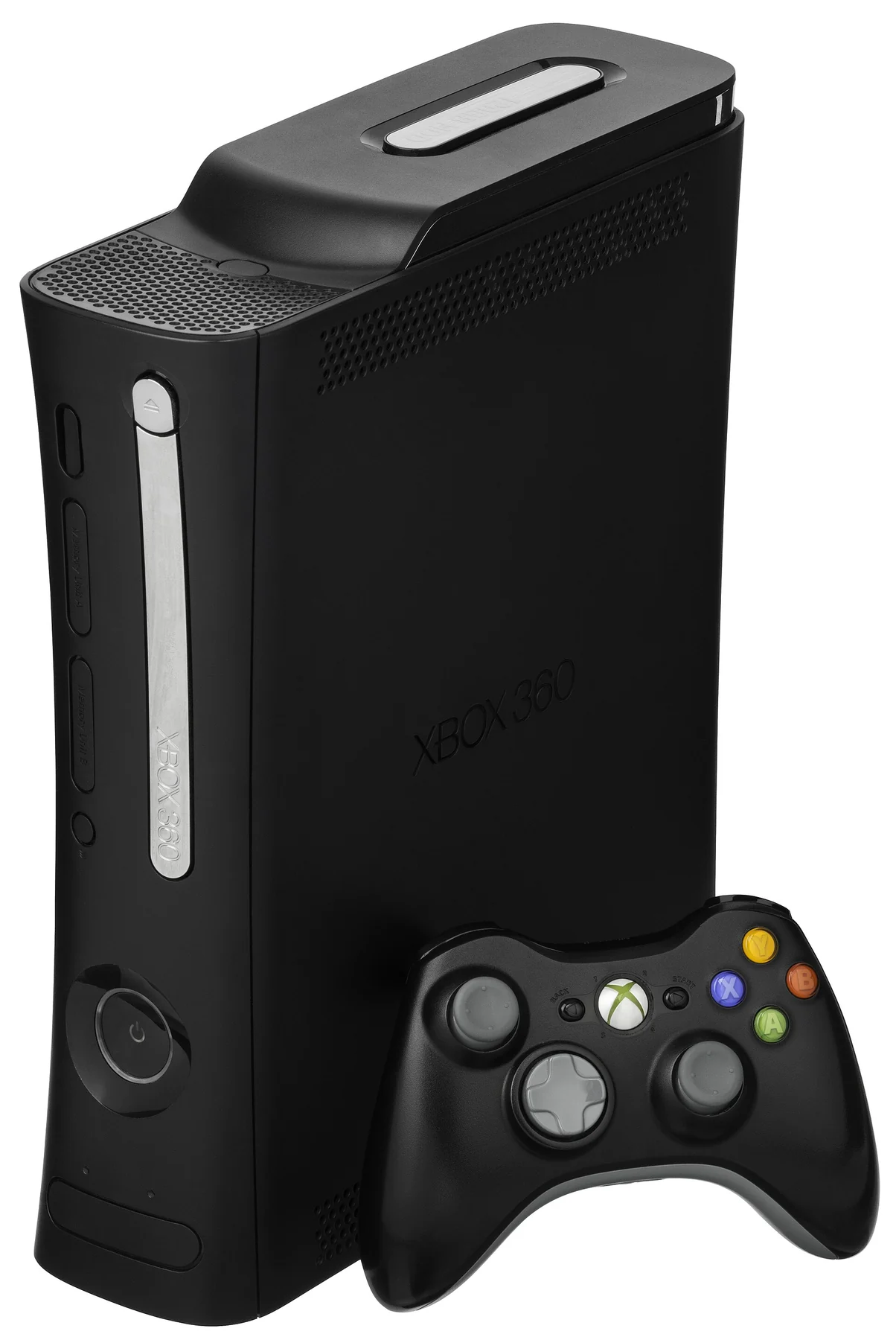
The short answer: NCAA Basketball 10 came last
EA Sports' NCAA Basketball 10 was the last released installment of the traditional, standalone major college basketball simulation series. It arrived in 2009 for PlayStation 3 and Xbox 360. College Hoops 2K8 was the last game in 2K's rival College Hoops line, but that title launched two years earlier, in November 2007. The answer changes only if the question is specifically “What was 2K's last College Hoops game?” In that case, it is 2K8.
The “10” on EA's box can mislead a reader into thinking it was a new game released in calendar year 2010. Sports games commonly use the following season or year in their title. EA was promoting Blake Griffin, coming off his Oklahoma career, as its cover athlete in 2009 and said the game was coming during that holiday season. The publisher's period documents identify the PlayStation 3 and Xbox 360 versions. By February 2010, an EA Sports spokesperson told Game Informer that there was no NCAA Basketball game in development. That does not make the box name an actual 2010 release.
This guide uses a precise boundary. It discusses a game whose main attraction is taking a college program through a college basketball season, including its school identity and the familiar progression toward postseason games. It does not count a college uniform, player card or a short college segment inside an NBA-branded release as a direct sequel to either old series. That distinction matters more now because 2K has announced a new college basketball experience while also putting college-themed content inside NBA 2K26. The latter is real content, but its existence alone cannot rewrite which complete old series title came last.
For players comparing copies in a store or an online listing, the decision is less about which numeral looks newer than about which publisher's design they want. EA's 2009 title emphasized TV-style presentation and play styles. 2K's 2007 game is remembered for its program-building Legacy mode and campus-specific details. Both are time capsules of a different roster and licensing era. Neither should be sold as an up-to-date representation of today's transfer-heavy college sport.
Our separate NCAA Basketball 10 platforms and rosters guide goes into the hardware and roster questions for that particular release. Here, the useful first answer is the chronology: College Hoops 2K8 in 2007, NCAA Basketball 10 in 2009, then no annual follow-up from either established college hoops series. The rest of the story explains why fans still mention both titles when asking for “the last” college basketball game.
How College Hoops 2K8 and NCAA Basketball 10 reached the finish line
The two titles did not arrive as a coordinated final chapter. In their launch materials, both publishers presented an annual sports game with new features, familiar campuses and the next season to play. Looking backward makes them feel like a pair of closing statements; the historical documents show ordinary releases at the time. Reading them in order explains why some fans instinctively answer “2K8” and others answer “NCAA 10.”
2K's final College Hoops season in 2007
2K Sports announced that College Hoops 2K8 was in North American stores on November 21, 2007. It named Xbox 360, PlayStation 3 and PlayStation 2 versions. On Xbox 360, an official demo had appeared the day before with Ohio State and North Carolina. That pairing was a practical introduction to the title's appeal: recognizable major programs, but a full game meant to extend far beyond one exhibition matchup.
In its launch release, 2K led with school atmosphere, alternate uniforms, crowds and the longer arc of Legacy mode. It also advertised PlayVision and a play designer, which let players study or construct offensive actions. Those details matter because a college basketball game is asked to represent hundreds of distinct programs and an entire cycle of coaching choices, not just a single set of famous players. A rebuilding season at a smaller school has a different narrative from taking a national favorite through March; the mode was designed to let the player inhabit that distinction.
The year label “2K8” belongs to the 2007–08 sports-game cycle. It should not be read as evidence that 2K shipped a later 2008 sequel. The official November 2007 announcement is the cleanest primary timestamp for this last College Hoops entry. When a fan names 2K8 as “the last college hoops game,” they are often speaking about the 2K franchise specifically or the title they kept playing longest, not claiming it postdates EA's later release.
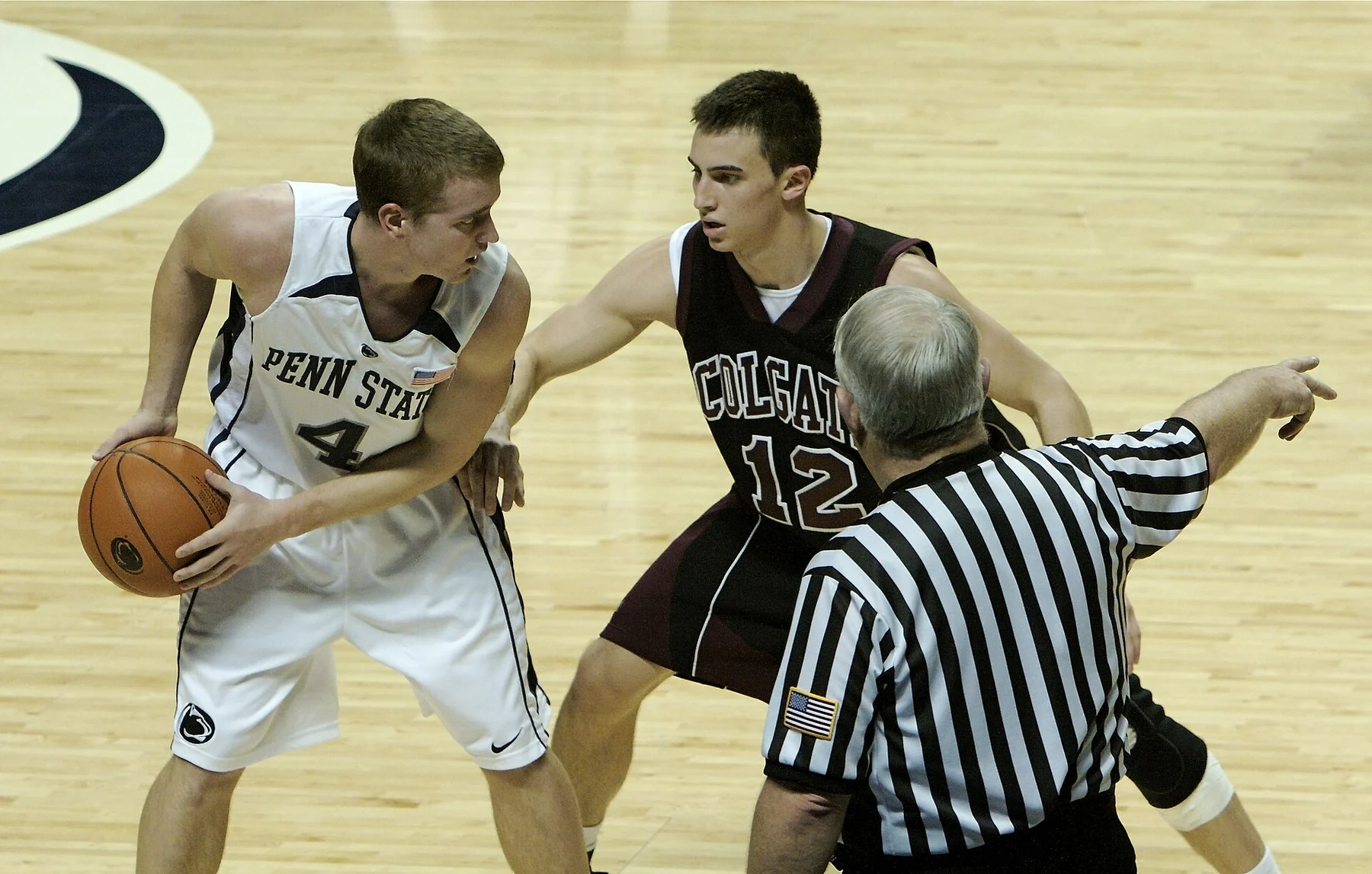

EA's last NCAA Basketball release in 2009
EA's chronology continued after 2K's. EA announced former Oklahoma star Blake Griffin as the cover athlete for NCAA Basketball 10 in June 2009 and described a PlayStation 3 and Xbox 360 holiday release. A November 18 launch announcement reported that the game was in stores. The same announcement highlighted ESPN and CBS Sports broadcast packages and eight motion offenses. That combination gave a fan two hooks: a game could look like the college basketball telecast they knew, while the half-court offense could behave like a chosen team's system rather than generic five-on-five play.
It is useful to separate presentation from a claim that the game perfectly reproduced every contemporary broadcast right. The publisher said players could choose ESPN or CBS treatments in the game; that is a feature of a 2009 disc. It is not proof that today's live rights, channels or tournament coverage are the same. The old commentary crews and score graphics are valuable precisely because they capture a historical television moment. Likewise, the playbook's named motion offenses are a way to see how developers tried to translate college coaching identity into controller inputs, not a live scouting report for today's Oklahoma or North Carolina teams.
By the time EA paused the series, these two releases had left complementary legacies. 2K's last entry is the 2007 program-management and campus-life benchmark. EA's 2009 release is the later dedicated title with broadcast-focused packaging. Their dates, platforms and emphases answer the historical question without turning a preference for one game's mechanics into an incorrect release chronology.
What the games captured about college basketball
Why have these old releases lasted in fan memory when their rosters are long out of date? Their best ideas were about the shape of college basketball, rather than simply placing different jerseys on a professional basketball engine. The publishers sold recognizable rituals, a coach's long timeline and choices that could make two schools play differently. Some features were idealized game mechanics, but their targets were real: a campus game is experienced through its building, band, opponents and style as much as its final score.
Campus atmosphere was more than decoration
2K's 2007 release promised newly built arenas and mascots, home chants, school bands, fight songs, cheerleaders and more than 70 alternate uniforms. Those are not interchangeable decorations when fans recognize the first notes of a fight song or the sightline of a particular building. The company went a step further with 6th Man Advantage, an in-game meter that rose with crowd excitement and, when full, temporarily helped the home side with fatigue while hurting the visitor's confidence. That was an invented gameplay rule. It should not be mistaken for a scientific model of home-court advantage, but it shows a deliberate attempt to make a January road game feel different from a neutral-floor March matchup.
EA approached that identity partly through television. Its 2009 title advertised actual announcers, mascots and crowd energy, then offered a choice of ESPN or CBS-style presentations. One result was a rhythm familiar to viewers: a regular-season game could feel like one broadcast context and a tournament game like another. Real college basketball has a wide variety of production packages and rights arrangements, so the disc was a designed snapshot, not a universal broadcast map. Yet that snapshot helps explain why a fan revisiting the title may recognize the sound of an era before noticing the age of the player models.
A photo of a packed gym cannot prove that a game's crowd algorithm worked. It can show the real-world source of the idea: when a defender must communicate through noise, a coach burns a timeout to reset a possession, or a student section responds to a run, the venue becomes part of how the game is remembered. Both products tried to translate that feeling into repeatable controller decisions. How convincing each attempt felt is a matter for the player; the existence and design of the features are documented in the publishers' own materials.
Recruiting, tactics and a season-long program
2K's Legacy mode pointed beyond one evening. Its 2007 feature list included deeper amateur basketball leagues and Create-a-Recruit, alongside PlayVision and a play designer. The attraction was not only winning with a loaded favorite. It was building a program, replacing graduating players and deciding how an offense should run against different opponents. A player who recruits a ball handler but has little frontcourt depth may face a very different season from one who controls an experienced, rebounding team. That scenario is an editorial illustration of the mode's appeal, not a promise that the game simulates every recruiting rule or roster constraint of modern college basketball.
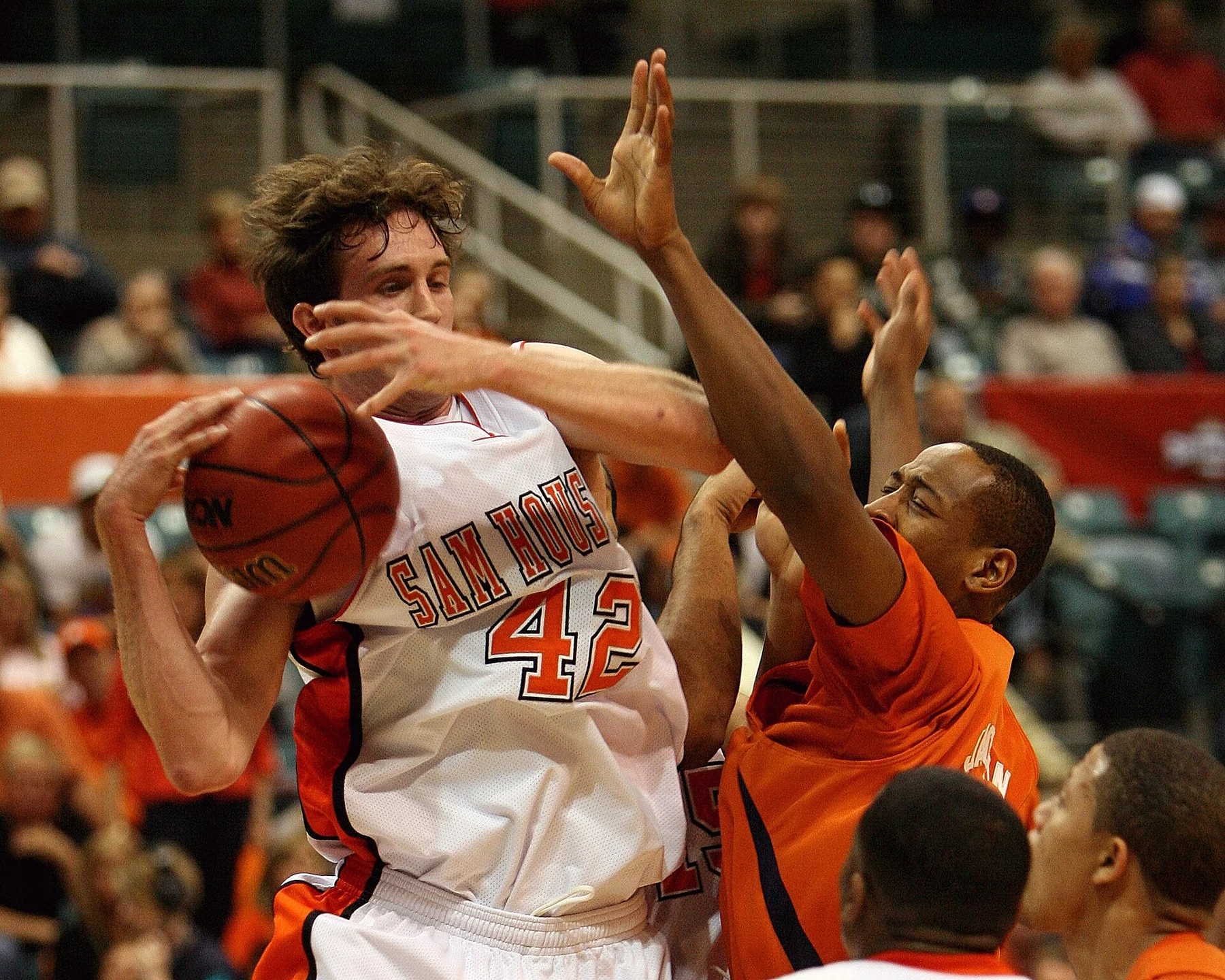

EA's pitch foregrounded strategy inside a possession. Its launch announcement described eight motion offenses, while an earlier publisher release cited team styles and tempo control. For a fan, that is the difference between asking every team to run the same quick pick-and-roll and setting an offense that makes cutters, screens and spacing part of a school-specific identity. The titles took different paths through the same design problem: how to let a user feel like the coach of a college team, where an opponent's pace, a hostile gym and the long calendar alter what a good possession looks like.
Neither game should be judged as a 2026 roster database. Transfers, athlete compensation and school media rights have changed the sport and the business around it. Their enduring value is historical: they show which elements developers believed were essential to a distinct college simulation. When fans request a revival, they often mean this combination of long-term team building and on-court identity, not merely an updated college logo on a menu.
What the long gap actually tells us
The empty space after 2009 is often compressed into one neat explanation. The public record is less neat. We can establish that EA stopped active development of a follow-up and that 2K's last College Hoops release preceded it. We should be more careful when assigning one decisive cause to a publisher's private product decision. The timing invites theories about sales, licensing and athlete rights; a theory is not the same thing as a documented explanation from the people who made the decision.
What EA said when development stopped
In February 2010, Game Informer reported a direct statement from EA Sports communications director David Tinson: the company had no NCAA Basketball game in development at that time and was reviewing the future of that business. The report also said the team had been integrated into other projects. GameSpot separately described the title's absence from EA's upcoming schedule and reported the same no-development position. That is strong evidence for a halt in the annual series. It is narrower than a claim that EA publicly identified a single reason, or that a 2010 sequel was completed and canceled at the last moment.
The distinction matters to fans trying to reconstruct the sport's gaming history. By the early 2010s, the two known program-focused console series had no fresh annual entry. But a missing sequel tells us what did not ship, not every factor in a studio's decision. If a timeline says simply “lawsuits killed the game” or “poor sales killed the game,” ask which contemporaneous company document proves that chain. The 2010 spokesperson's statement did not. It is fair to describe a broader era of complicated licensing and athlete representation; it is not fair to turn that background into a proven one-sentence cause for this particular pause.
EA's current service-update archive also places NCAA Basketball 10 for PlayStation 3 and Xbox 360 among older titles whose online services were retired. That is a reminder that “still exists on disc” and “still has the same online functions as launch day” are different claims. The archive does not establish that an offline exhibition or Dynasty save is impossible. If your interest is in the old title, check the exact console and feature before assuming a contemporary online roster service will restore it.
What the 2026 college content does and does not establish
There is a modern development to place beside that history. In a February 2026 announcement, 2K said NBA 2K26 Season 5 would include college content from 16 universities in MyTEAM and MyCAREER, spanning men's and women's programs. It separately said a new college basketball experience was planned for early 2027 and that more details would follow. That is a first-party announcement, not merely a fan forum rumor. It also stops short of saying that College Hoops 2K9, a direct 2K8 remake or an exact old-style standalone franchise mode is already available.
The distinction is practical. A current college star represented by a card or jersey in an NBA game is a welcome point of recognition, particularly given the explicit women's program inclusion. It is not automatically the same as recruiting for several years, balancing a school's roster, playing its conference schedule and managing a postseason bracket as a college team. 2K's eventual design may address some or all of those wishes; the publisher's February statement does not yet settle the format. For updates after this historical overview, use our 2027 college basketball video game status guide and the publisher's own announcements.
Which historical game answers your question?
If the question is strictly chronological, answer NCAA Basketball 10. EA's release followed 2K's by two years, and the ESRB describes it as a college basketball simulation with exhibitions, tournaments and a Rivalry Challenge on PlayStation 3 and Xbox 360. For a reader asking which game was the last in 2K's own series, answer College Hoops 2K8. The ESRB lists its PlayStation 3 and Xbox 360 versions, while 2K's launch announcement also specifies a PlayStation 2 edition. The two answers describe different series boundaries, not a disagreement over the calendar.
If the real question is which historical game to revisit, start with the experience you want. A fan who enjoys constructing a program over several seasons will have a reason to explore 2K8's Legacy and recruiting features. A fan seeking the look and sound of a late-2000s college telecast may gravitate toward EA's ESPN/CBS treatments, while still finding on-court decisions in its motion offense system. Those are descriptions of each publisher's advertised emphasis, not a claim that one game is objectively better or that every advertised feature aged equally well.
Check the exact platform printed on any copy and the features you expect from it. A 2007 or 2009 disc is a historical season, so its teams, player depictions, conferences and presentation should be read as products of their time. It will not provide the current night's opponent, TV window or transfer-era roster by itself. EA's online-service archive also gives a reason to distinguish local play from old network features. Our detailed NCAA Basketball 10 guide handles that title's versions and rosters; an actual 2026–27 game night starts with the site's today's college basketball schedule, not with a vintage simulation.
There is no need to erase the older titles because a new college experience has been announced. The useful timeline remains: 2K's last College Hoops game in 2007, EA's last NCAA Basketball game in 2009, EA's no-development statement in 2010, and a separate 2K announcement in 2026 about current college content and a planned early-2027 experience. Each entry answers a different question. Keeping them separate lets a fan enjoy the games' atmosphere and coaching ideas while reading current publisher news accurately.
Sign in with Google to join the discussion.