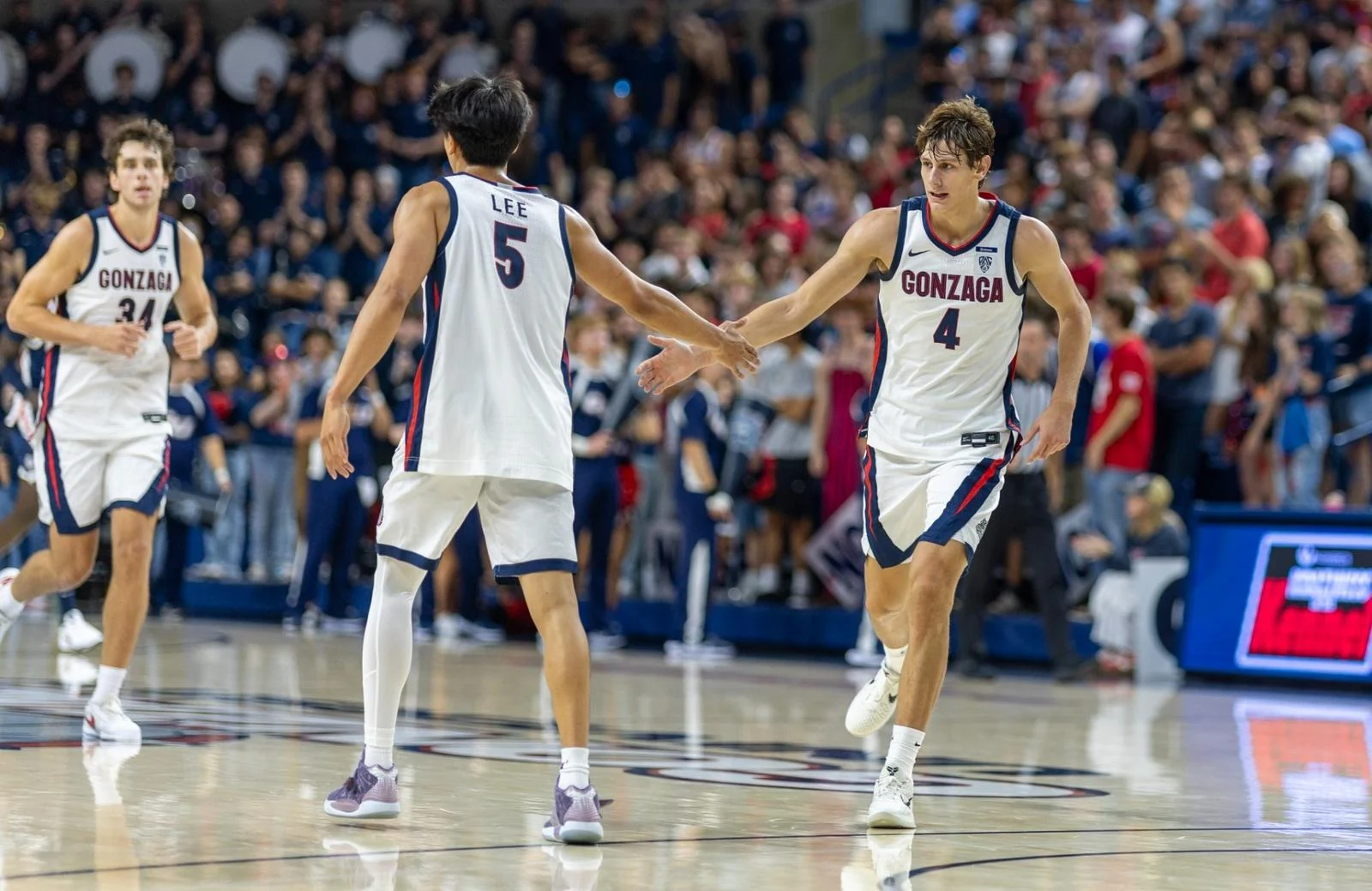
What changes when Gonzaga joins Pac-12 basketball?
Gonzaga's first Pac-12 men's basketball season is 2026–27. The immediate change for fans is a new conference schedule: eight league opponents, each played at home and away, producing 16 conference games. The familiar January and February routine now means following a different standings race, different road trips and different television listings. It does not mean every prominent opponent on the calendar belongs to the Pac-12.
The timing matters. Gonzaga announced its acceptance of the conference invitation in October 2024, and membership took effect on July 1, 2026. The news this autumn is the first actual season under that arrangement, including the schedule and the October preseason poll. Treating the original move as a fresh October announcement would obscure the useful question: what will supporters experience when the games begin?
There are nine men's basketball programs in the rebuilt league. Gonzaga's eight conference opponents are Boise State, Colorado State, Fresno State, Oregon State, San Diego State, Texas State, Utah State and Washington State. The conference name is therefore not a reliable team count. Nor should a football membership graphic substitute for a basketball schedule. Our Division I men's team directory supplies the wider national context.
A new conference does not mean a new home arena
McCarthey Athletic Center remains the reference point for Gonzaga's campus home games. The meaningful distinction is between a normal home date and a separately promoted game in another arena. A listing that says Spokane, Seattle or Las Vegas still needs its venue checked; city names alone do not describe the setting, ticket arrangements or crowd balance.
For basketball analysis, the double round robin offers a useful way to judge adjustment. A first meeting can expose a problem in defending ball screens or finishing possessions with a rebound. The return game gives both staffs another opportunity to respond. That does not guarantee two similar games: player availability, foul trouble and shooting can change the matchup. It does mean fans can follow a tactical conversation over time instead of judging the transition from one dramatic night.
The practical reset is straightforward: keep Gonzaga's team calendar, add the new conference standings and verify each broadcast separately. The old WCC routine provides historical context, but the actual 2026–27 listings now determine the opponent, venue and viewing plan.
Which opponents shape the first Pac-12 title race?
The October 29 preseason media poll placed Gonzaga first, followed by Utah State and San Diego State. Colorado State was fourth, Oregon State fifth, Boise State sixth, Texas State seventh, Washington State eighth and Fresno State ninth. Gonzaga received all 17 first-place votes. That establishes the preseason expectation clearly, while leaving the entire competitive question unanswered: everyone still has to play the games.
The most useful early comparison is therefore not whether a Gonzaga result matches the conference's branding. It is whether the Bulldogs can control the parts of a game that travel: protect the ball, recover after a missed shot and generate a workable attempt when the first offensive action is taken away. Those are viewing priorities, not claims that one particular Pac-12 opponent already leads the season in those categories.
Utah State and San Diego State deserve immediate attention because they sit directly behind Gonzaga in the official forecast. A fan choosing a few league games to follow should include both meetings with each. The second contest is especially revealing if the first features an obvious advantage: a guard repeatedly reaching the paint, a forward catching too deep or a defense conceding open perimeter looks. Watch whether the opponent changes its coverage and whether Gonzaga has another answer.
The separate preseason impact list gives viewers individual names to track. Gonzaga's selections were guard Davis Fogle and forward Braden Huff; Utah State's were guards Mason Falslev and Dallin Hall. The media voted on the team poll, while the league's head coaches selected the impact players. Those are different judgments. Neither list is a confirmed starting lineup, a medical update or a promise about minutes.
For example, following Fogle's decisions after the first defender is beaten can tell you more than watching only his scoring total. When Huff gets a frontcourt touch, look at the spacing around him and the quality of the next pass. These are ways to study the matchups without pretending that a preseason award settles how an opponent will defend Gonzaga.
There is also value in resisting the poll's order once games accumulate. A team picked near the bottom can present a difficult individual matchup, while an early contender can win despite playing poorly. Compare the quality of possessions and the available personnel before declaring that the league has already sorted itself out. Our guide to AP, coaches and NET rankings explains why these labels should not be treated as interchangeable.
The 16-game conference schedule and dates to circle
Gonzaga's league schedule begins on January 6, 2027, at Washington State, and ends March 6 at Colorado State. The Pac-12 as a whole starts conference play January 3; that is not Gonzaga's opening date. The table below separates the Bulldogs' 16 conference fixtures from their other regular-season games. Dates were checked against official schedules on October 30, 2026.
| Date in 2027 | Opponent | Setting |
|---|---|---|
| January 6 | Washington State | Away |
| January 9 | Colorado State | Home |
| January 13 | Fresno State | Away |
| January 16 | Boise State | Home |
| January 21 | Utah State | Away |
| January 24 | Oregon State | Away |
| January 27 | Fresno State | Home |
| February 4 | Texas State | Home |
| February 6 | San Diego State | Away |
| February 10 | Boise State | Away |
| February 13 | Utah State | Home |
| February 17 | Washington State | Home |
| February 25 | Texas State | Away |
| February 27 | San Diego State | Home |
| March 3 | Oregon State | Home |
| March 6 | Colorado State | Away |
January begins with a road rivalry
The opening trip to Pullman gives the new league schedule a familiar regional opponent. Washington State's own announcement confirms the January 6 home game and the February 17 return in Spokane. That pair supplies a useful first-season comparison without requiring fans to learn an entirely unfamiliar rivalry before tipoff.
Gonzaga's January 21 visit to Utah State followed by January 24 at Oregon State is the first consecutive-road segment on its conference calendar. Later, the February 25 trip to Texas State precedes a February 27 home game against San Diego State. Those dates flag preparation and recovery questions worth following, but they do not reveal the team's precise travel itinerary. Avoid turning a calendar observation into a claim that fatigue has already determined a result.
Two nonconference games interrupt the league calendar
The January 30 game against Oregon at Seattle's Climate Pledge Arena and the February 20 game against Duke at Little Caesars Arena in Detroit remain nonconference contests. They belong on a complete Gonzaga calendar even though neither appears among the 16 league games. A supporter using only the conference composite could miss two of the season's most prominent dates.
This also affects how to read the standings. A Gonzaga win over Duke would change the overall record without adding a Pac-12 victory. A conference loss still counts in the league race even if a neutral-site performance nearby generates more national attention. Keep the two records separate when comparing teams that have played different numbers of conference games.
The Pac-12 men's tournament is scheduled for March 9–13 at MGM Grand Garden Arena in Las Vegas. That event comes after the regular-season finale; Gonzaga's exact route through it depends on the completed standings and tournament bracket. For ticket or travel commitments, use the current official team calendar to recheck dates, venue and any later changes.
Where to watch Gonzaga in the new conference
The new league brings a different television map, but there is no single network label that answers every Gonzaga viewing question. The Pac-12's October broadcast announcement lists CBS, USA Network, The CW and CBS Sports Network among its regular-season partners. Start with the individual fixture, then find the service carrying that particular channel in your location.
Match the conference game to its actual network
Two examples illustrate the range. The league announcement lists Gonzaga's January 6 visit to Washington State on The CW at 6 p.m. Pacific, equivalent to 9 p.m. Eastern. It lists San Diego State's February 27 visit to Gonzaga on CBS at 1 p.m. Pacific, or 4 p.m. Eastern. Those are different channels and different viewing windows, even though both are conference games.
The same release identifies Paramount+ simulcasts for CBS broadcasts and ESPN Unlimited access for CW Sports broadcasts. Read those connections narrowly. They do not establish that every game on CBS Sports Network appears on the same Paramount+ offering, or that an ESPN-branded subscription unlocks every Pac-12 game. CBS and CBS Sports Network are separate listings; similar names are a poor substitute for checking the fixture.
For cable, satellite or an internet television service, inspect the actual channel lineup rather than a generic promise to carry college basketball. For an app, inspect the event page and the access requested by the account. That approach addresses the common frustration of finding a game in a search result and discovering at tipoff that the account does not include it.
Neutral-site games follow their own television deals
The February 20, 2027, Duke matchup in Detroit is a clear exception to the conference-network routine: it belongs to Duke's three-game Prime Video neutral-site series. Gonzaga's conference membership does not turn that game into a Pac-12 broadcast. Nor does a Prime listing for Duke establish that Gonzaga's next conference game will appear there.
Use the same discipline for other separately promoted events. Check the opponent, tournament or showcase name, arena and network together. A complete team schedule can contain campus games, true road trips and neutral-site dates governed by different arrangements. Our college basketball viewing guide explains how to organize the broader season across platforms.
These examples reflect announcements checked October 30, not an assurance that every January or February tip time is final. Recheck the current school listing and broadcaster event page before setting a recording or buying access. Viewers outside the United States should verify local availability directly; a U.S. network assignment alone does not establish rights in another country.
What the new schedule can tell us about March
The schedule creates opportunities to build a tournament résumé; the conference name does not complete that résumé for Gonzaga. The NCAA evaluates teams individually rather than awarding an at-large place because of league membership. Winning the Pac-12 tournament supplies the league's automatic route, while an at-large evaluation depends on what a team actually does across its season.
That distinction changes how to watch an apparently difficult stretch. Several recognizable opponents on the calendar are interesting, but recognition is not a metric. A team can enter November with considerable attention and finish much weaker than expected. Another can improve enough to make an early road win look better by March. The first Pac-12 season should therefore be assessed with current results rather than reputations imported from a former conference.
The NET is one sorting tool in that process, combining results and efficiency with opponent and location context. It is not the October media poll. A preseason ranking cannot certify that a future Gonzaga game belongs in a particular quadrant. That classification requires the opponent's applicable NET position and the game's home, road or neutral setting. Calling every attractive January matchup a guaranteed top-tier résumé opportunity gets ahead of the evidence.
There is a useful basketball distinction here, too. A team may win while allowing too many clean perimeter attempts, or lose after executing well but missing reasonable shots. Fans can acknowledge the result's résumé consequences while studying whether the performance suggests a repeatable strength. Finishing defensive possessions, avoiding empty turnovers and creating good shots are questions to revisit across multiple games, especially once opponents adjust in the return meetings.
Gonzaga's balanced league schedule makes within-conference comparisons easier to follow: every opponent appears twice, once at each site. It does not make the national selection process a simple league-table calculation. Overall and nonconference games remain part of the season, so Oregon in Seattle and Duke in Detroit still matter even though neither changes Gonzaga's conference record.
The restrained preseason conclusion is that supporters have a new set of meaningful comparisons to track. They do not yet have a justified NCAA seed, a required win total or a promised number of conference bids. For the distinction between an editorial forecast and the actual selection process, use our men's bracket predictions guide. Let the season produce the evidence before using the new league's reputation as a shortcut.
How to follow the first season without losing track
The easiest way to make the transition manageable is to keep one complete Gonzaga calendar and use the conference schedule as an additional filter. A league-only list explains the standings race, but it leaves out nonconference games that remain central to the season. A broadcaster-only list can miss fixtures controlled by another partner. Neither replaces the complete team listing.
Gonzaga's official schedule provides game-center, video, radio and statistics links, with the available options varying by game. Those links help when a national television listing is unfamiliar or a supporter wants to follow the contest without video. A statistics page can confirm the game state, but it does not explain every rotation decision or defensive adjustment; use it alongside the broadcast rather than as a substitute for watching the possessions.
Build a calendar around verified game listings
Begin with the correct year. The first Pac-12 season is labeled 2026–27, but all of the January, February and March conference dates in this guide fall in 2027. Gonzaga's official calendar explicitly uses Pacific Time. Convert that time to your location before saving an alert, especially if a shared graphic gives only a number without identifying its zone.
Keep four fields with each entry: opponent, home/away/neutral setting, actual venue and broadcast. Then recheck the upcoming week before arranging a trip or a group watch. An announcement from September is useful history, while the current event entry is the better place to look for later detail. If two official listings disagree, wait for clarification instead of quietly combining one source's time with another source's channel.
For the basketball itself, add a short note after the first meeting with each league opponent. Did Gonzaga surrender transition chances after live-ball turnovers? Did the opponent force a difficult late-clock shot? Did a frontcourt matchup change once fouls accumulated? Return to those questions in the second meeting. That creates a more useful record of adaptation than a collection of final-score reactions.
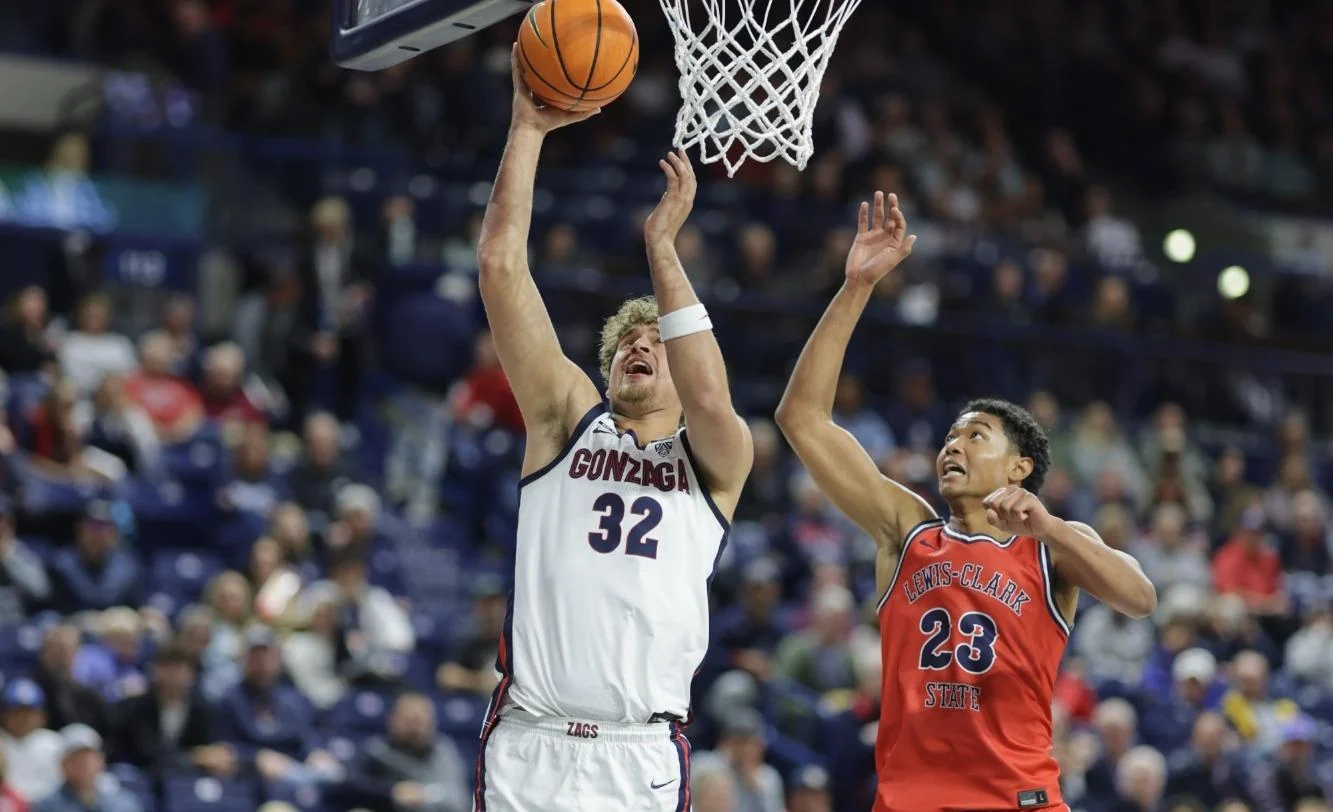
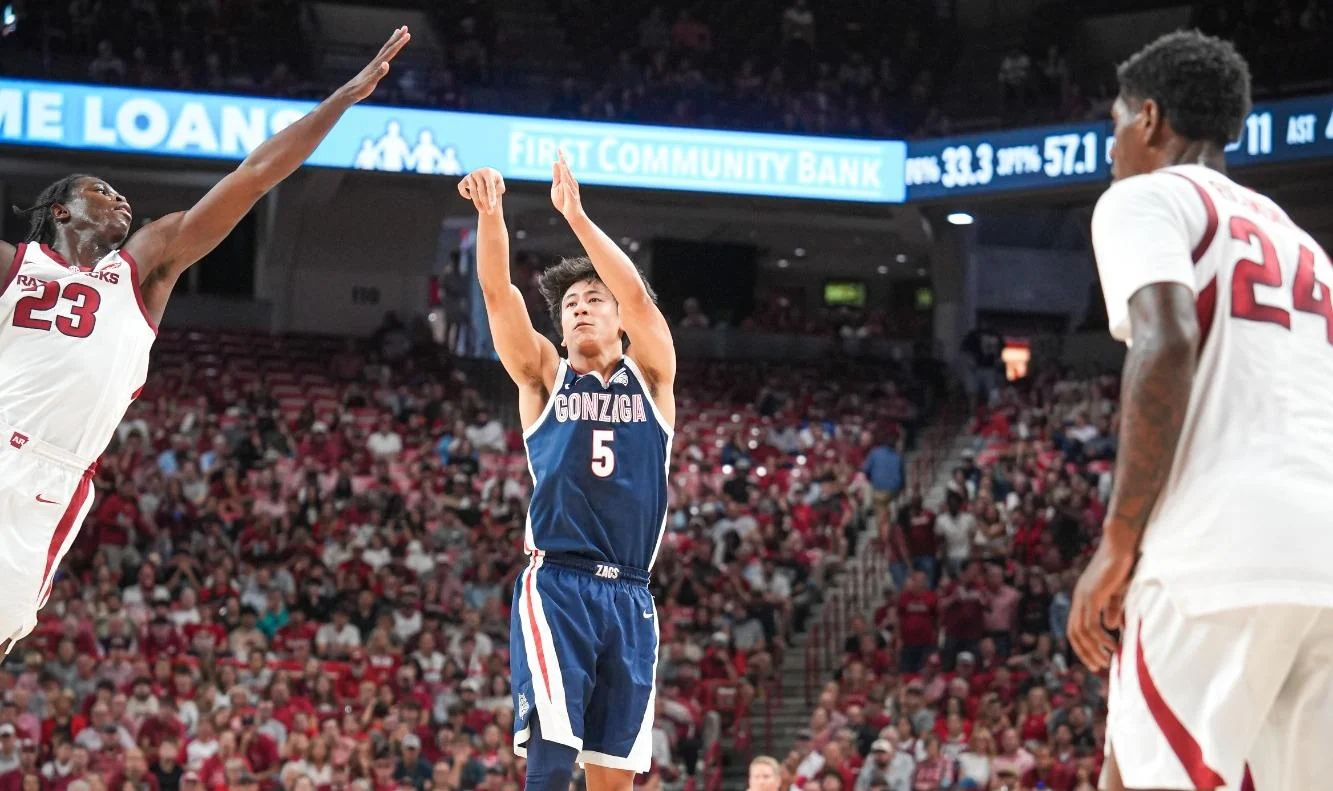
Keep preseason exhibitions separate from the regular-season record as well. The October Arkansas and Lewis-Clark State games appear on the school calendar with exhibition labels, while the regular season starts against Purdue on November 2. Those contests can supply observations about execution, but their labels matter when comparing records or discussing the opening conference standings.
The first year will offer plenty to learn without forcing instant verdicts about the move. Follow the verified dates, distinguish conference results from the wider schedule and compare how Gonzaga handles repeated opponents. That gives fans a concrete way to judge the new season as it develops, from the January trip to Washington State through the March conference tournament.
Sign in with Google to join the discussion.