Methodology and Freshness for This Women's Top 50
This is a CollegeBasketballSchedule.net editorial projection for the 2026-27 women’s season, updated through August 22, 2026. It is not the AP preseason poll, an ESPN ranking, the Coaches Poll or NCAA NET. We rank 50 teams because the national picture is much deeper than a television Top 25, but the numbers should be read as tiers rather than exact neutral-floor point spreads.
Our evaluation begins with the hardest roles to replace. A proven primary creator who can beat pressure, a mobile center who protects the rim without fouling, and a wing who can defend elite scorers are worth more than undifferentiated returning minutes. We then add incoming transfers and freshmen according to likely roles, not recruiting labels alone. A talented scorer joining a team that already has two ball-dominant guards may create less immediate value than a lower-profile rebounder filling the roster’s clearest need.
High-confidence signals
Returning late-game creation, established two-way lineups, frontcourt depth, shooting that keeps the lane open, and a coach with a repeatable defensive structure.
Volatility signals
Multiple new starters, uncertain recovery or eligibility, one reliable handler, a thin center rotation, or freshmen carrying immediate shot-creation responsibility.
ESPN’s early list centered South Carolina, Texas and UConn around returning stars Joyce Edwards, Madison Booker and Sarah Strong; CBS supplied a different ordering. We use that disagreement as evidence, not a problem to erase. Elite talent sets a ceiling, while lineup fit and replacement minutes shape the path to it.
No ranking can observe preseason chemistry. It also cannot predict an injury, so we evaluate confirmed availability and roster construction rather than inventing absences. Recheck the women’s college basketball schedule and team announcements before planning a game. Late roster news can move a team several places, and actual November possessions should quickly outweigh August assumptions.
Nos. 1-10: Championship-Level Rosters
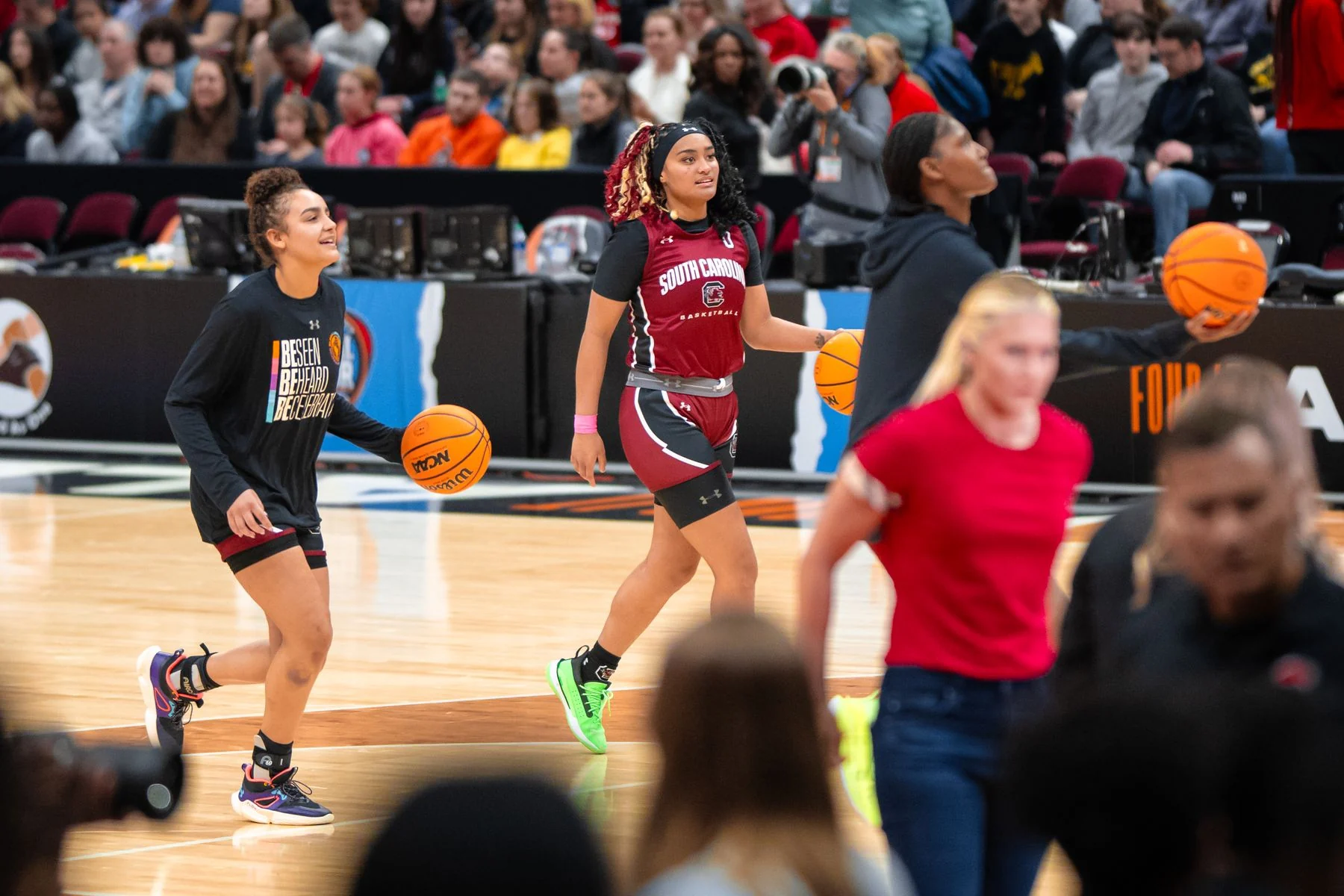
South Carolina earns the narrow No. 1 because its combination of elite returning talent, defensive versatility and playable depth offers the most routes through a six-game tournament. UConn has an equally persuasive star foundation, Texas can control games through Madison Booker, and defending champion UCLA has already proved its structure under postseason pressure. The separation is smaller than the numbers suggest.
- 1. South Carolina — Joyce Edwards gives the Gamecocks a proven centerpiece, while Dawn Staley’s depth protects against foul trouble and poor shooting nights. Half-court spacing is the key separator in the biggest matchups.
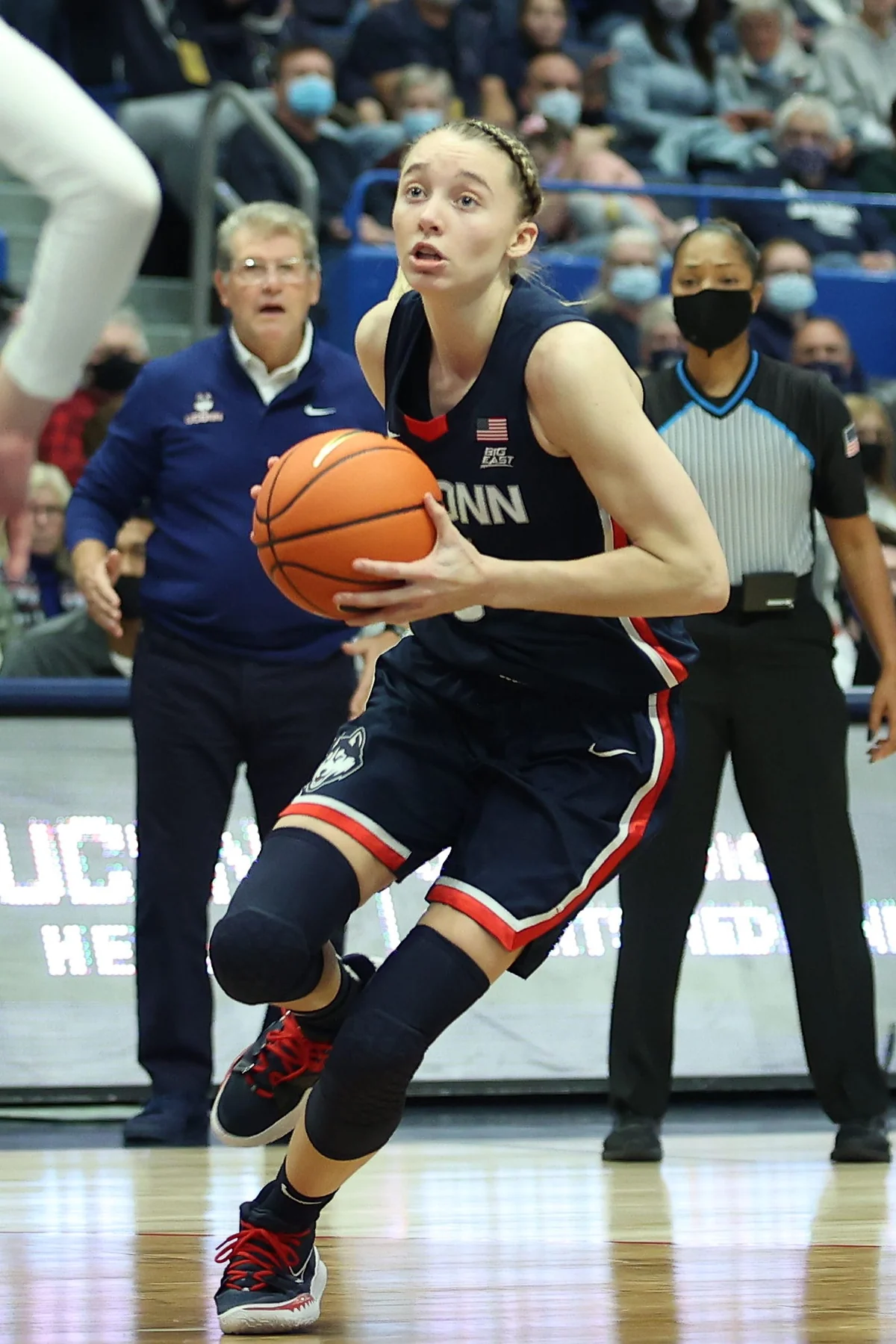
- 2. UConn — Sarah Strong supplies inside-out creation and matchup control. The Huskies’ movement offense can make one advantage multiply, provided the perimeter rotation stays healthy and handles physical pressure.
- 3. Texas — Madison Booker can own difficult possessions without forcing the Longhorns to abandon their defensive identity. More consistent perimeter shooting would make the lane harder to load.
- 4. UCLA — The reigning champion keeps the benefit of the doubt. Cori Close’s team understands how to play through size and defend in a tournament setting; replacing departed production without shrinking the floor is the new task.
- 5. USC — The ceiling is national-title high if JuJu Watkins returns effectively and fits beside Jazzy Davidson and a talented group of additions. Because health and reintegration cannot be assumed, USC carries more preseason variance than the top four.
- 6. LSU — Athletic pressure, offensive rebounding and transition speed can bury opponents. The Tigers rise if their half-court decisions remain composed when elite teams take away early offense.
- 7. Duke — Defensive length and disciplined coverage create a trustworthy floor. The Blue Devils need enough shooting and late-clock creation to turn close top-10 games.
- 8. Oklahoma — The Sooners’ pace and frontcourt presence produce demanding possessions. Better ball security against long, switching defenses is the Final Four checkpoint.
- 9. Notre Dame — Guard play gives the Irish a path to beat anyone, but the frontcourt must finish defensive possessions and survive physical teams over multiple rounds.
- 10. NC State — Experienced coaching and versatile perimeter play keep the Wolfpack in the national tier. A consistent interior answer would reduce their matchup dependence.
These teams share more than famous scorers. Each can defend with size, create before the defense is set and put at least two players in actions that force a switch or rotation. Our order favors South Carolina’s margin for error. UConn may own the cleanest offensive ceiling; Texas may be the hardest to move off its preferred game; UCLA has the championship proof. USC could outrun all of them, but a responsible August ranking must separate exciting possibility from confirmed availability.
Nos. 11-25: Top-16 Hosting Upside
This group contains teams with a plausible path to a protected seed and early-round home games, not a prediction that all 15 will host. To reach that line, each must turn a clear strength into a full-season identity while answering one roster question.
Perimeter talent can produce quickly; rebounding against elite size is the test.
Pressure defense creates extra possessions, but half-court efficiency must hold when teams break the press.
Spacing and veteran decisions provide a high floor; replacing star usage without stagnation matters.
Kim Caldwell’s pace stresses depth, while defensive transition and shot selection determine the best-game ceiling.
Skilled guard play and a demanding home environment create upside; the Hawkeyes need dependable interior defense.
Physical defense travels. More efficient creation against set defenses would make the Rebels difficult to seed.
Experienced additions raise the rotation floor, provided offensive roles become clear early.
Versatile forwards enable lineup changes; late-clock guard creation remains the separator.
Length and improving skill can bother ranked opponents, but consistency must survive Big Ten travel.
A highly regarded portal haul raises the ceiling; a new group must prove it can defend and close together.
Jeff Walz’s roster versatility creates matchup options, with perimeter shooting the early watch point.
Physical guards can pressure the ball and reach the paint; frontcourt depth controls the margin for error.
Skilled returning pieces support a breakout, though opponents will test the Commodores’ defensive glass.
Continuity can beat more celebrated talent; the question is whether the Illini produce enough rim pressure.
Half-court execution keeps the Utes competitive, but athletic opponents will test their margin.
Oklahoma State is the clearest example of why we separate portal success from team rank. A leading transfer-class grade establishes incoming ability, not shared timing or defensive communication. Illinois represents the other side: continuity can create a stronger November team even without dominating transaction headlines. By January, the team that combines those virtues—new talent filling precise needs within a stable system—will have the best chance to rise into hosting position.
Nos. 26-40: Tournament Teams With a Defining Question
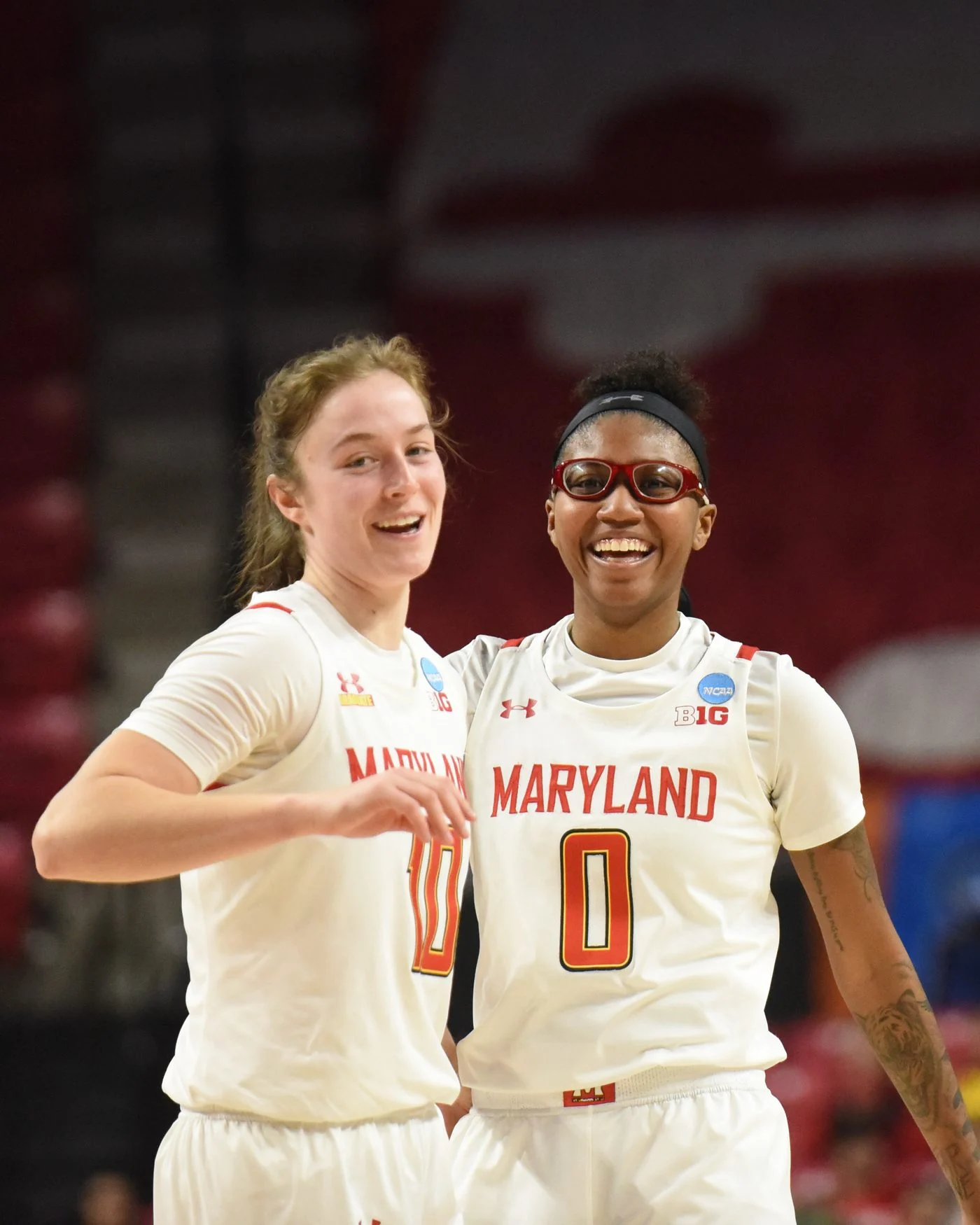
The next 15 teams are good enough to reach the NCAA Tournament but begin outside our poll-style Top 25 because one essential function is less certain. Some have experienced frontcourts without a proven late-clock guard. Others can score but need a defensive lineup that rebounds. Their November schedule is especially valuable because it reveals whether the projected answer is real before conference scouting becomes familiar.
| Rank | Team | Defining preseason question |
|---|---|---|
| 26 | Kansas State | Who creates the efficient shot when the first action stalls? |
| 27 | Alabama | Can a talented group defend consistently enough for its offense to matter? |
| 28 | Iowa State | Will the Cyclones generate enough paint pressure against length? |
| 29 | West Virginia | Can pressure defense stay effective when opponents use multiple handlers? |
| 30 | Florida State | Will pace produce good shots rather than rushed ones? |
| 31-35 | Colorado, Nebraska, Georgia, Michigan State, Arkansas | Frontcourt depth and stable guard roles separate this cluster. |
| 36-40 | Washington, California, Princeton, South Dakota State, Richmond | Veteran execution must translate against larger, faster nonconference opponents. |
Princeton, South Dakota State and Richmond belong here because repeatable execution matters. A veteran team that spaces correctly, changes sides of the floor and rarely gifts transition chances can force a more athletic opponent to defend for 25 seconds. The ranking does not promise those teams an at-large résumé; their opportunity set may be smaller. It says their basketball can travel.
West Virginia illustrates a different risk. Ball pressure can create decisive scoring runs, but elite teams practice the release valve: a second handler flashes middle, a big short-rolls into a four-on-three, and the defense must rotate without losing a shooter. How the Mountaineers defend after the initial trap will tell us more than a gaudy turnover total against an overmatched opponent. In this tier, the defining question is often a counter, not a first option.
Nos. 41-50: League Favorites and Breakout Candidates
The final ten mix teams with at-large upside and programs more likely to reach March by winning their conference tournament. That difference affects résumé pathways, not the ability to threaten a ranked opponent. Experienced guards, controlled possessions and defensive rebounding remain especially valuable when a team gets only a few high-profile nonconference opportunities.
- 41. Creighton — Skilled perimeter play keeps the floor high; interior defense sets the ceiling.
- 42. Marquette — A coherent Big East system can outperform roster headlines if the Golden Eagles find reliable creation.
- 43. Gonzaga — Program continuity and execution travel, while frontcourt rebounding against power teams is the key check.
- 44. UNLV — Athletic guards create breakout potential; decision quality against switching defenses matters.
- 45. Middle Tennessee — Veteran structure makes the Blue Raiders a difficult short-prep opponent.
- 46. James Madison — Pace and confidence can generate runs, but the Dukes must finish possessions on the glass.
- 47. Columbia — Spacing and disciplined guard play support another nationally relevant season.
- 48. Fairfield — Efficient half-court habits give the Stags a repeatable path through league play.
- 49. FGCU — Three-point volume can stretch bigger teams, though cold shooting nights demand a defensive counter.
- 50. Harvard — Young talent and Ivy League skill create upside, with physical consistency still to prove.
Gonzaga and Columbia are good examples of why a deep list should not be a brand exercise. Both can make opponents guard actions repeatedly and punish late rotations. FGCU presents a different problem by changing the geometry with shooting. If a power-conference favorite is slow to close out, the underdog does not need to match size possession for possession; it can win the math from three.
Rank Nos. 41-50 with humility. Their schedules may provide fewer comparison points, and one early road game can dominate national perception. We include them to identify teams worth watching before the bracket introduces them. A Top 50 should widen the season, not merely extend a familiar Top 25 with ten more power-conference logos.
What Will Change These Rankings Before March
The first games should change this order, but not every result deserves the same weight. A 4-0 team that played four overmatched opponents at home may have answered little about guard pressure, foul trouble or late-clock offense. A 2-2 team can reveal more against two top opponents on neutral floors. Start with the opponent and location, then inspect how the basketball was played.
- Closing-lineup clarity: The final five in a close game show who can handle, defend, rebound and make free throws together. A deep roster becomes meaningful when the staff trusts combinations.
- Shot creation against set defenses: Transition scoring can overwhelm November opponents. Title contenders still need a reliable action when the defense loads the paint and switches late in the clock.
- Defensive rebounding: Forcing a difficult shot is only half a stop. Teams that repeatedly concede second chances will struggle against South Carolina, LSU and other physical frontcourts.
- Pressure response: Watch whether a team uses two handlers, flashes the middle and attacks behind traps rather than merely surviving to cross half court.
- Road communication: Great teams defend screening actions and execute after timeouts when players cannot hear every call.
Availability must be handled carefully. Confirmed absences affect present evaluation, while expected returns create a range of outcomes. We will not assume that a player recovering from injury immediately resumes a previous workload or that one strong game settles the question. The responsible approach is to update the observable role—minutes, movement, usage and lineup fit—without turning medical uncertainty into a prediction.
As the season develops, compare this editorial list with the AP poll and women’s NET, but do not merge their jobs. AP captures weekly media judgment; NET organizes results and opponent context; the tournament committee eventually evaluates complete résumés. Use the college basketball schedule today to find each team’s next test. By March, actual road wins, damaging losses and established lineups should overwhelm nearly every August assumption.
Sign in with Google to join the discussion.